

This post may contain affiliate links. Read my full disclosure policy.
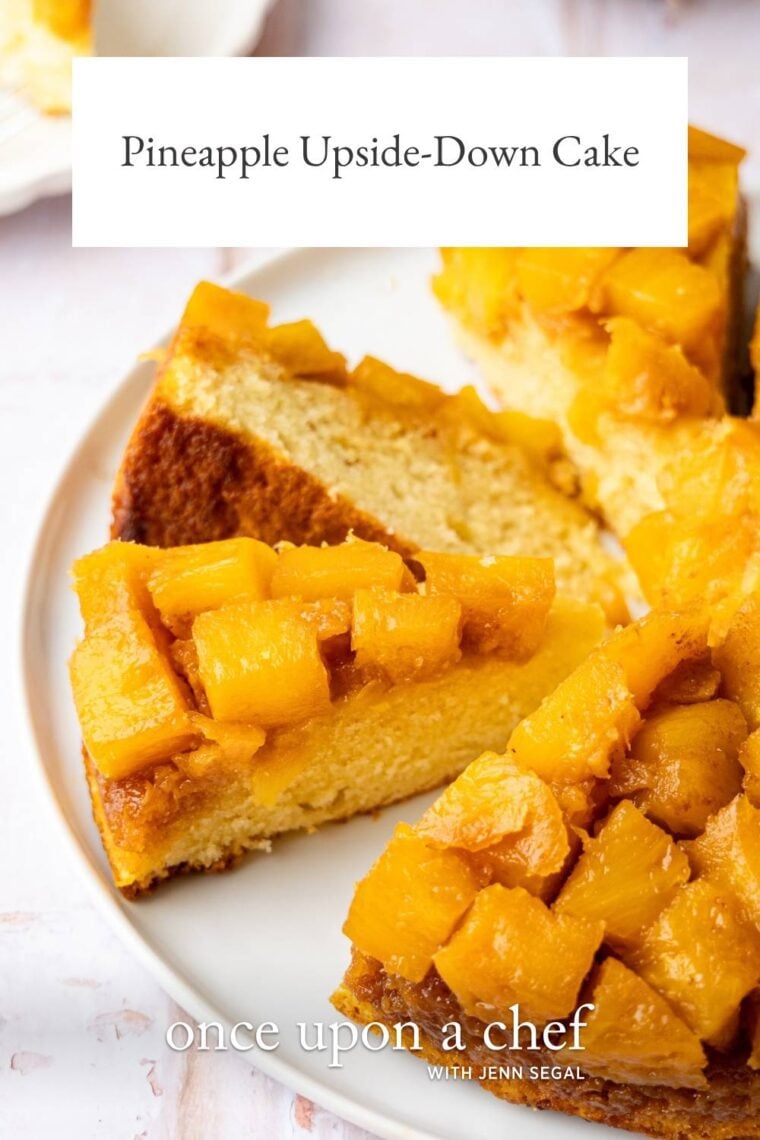
This pineapple upside-down cake is a little old meets new, a classic that’s made from scratch with fresh pineapple and rich caramel flavor.
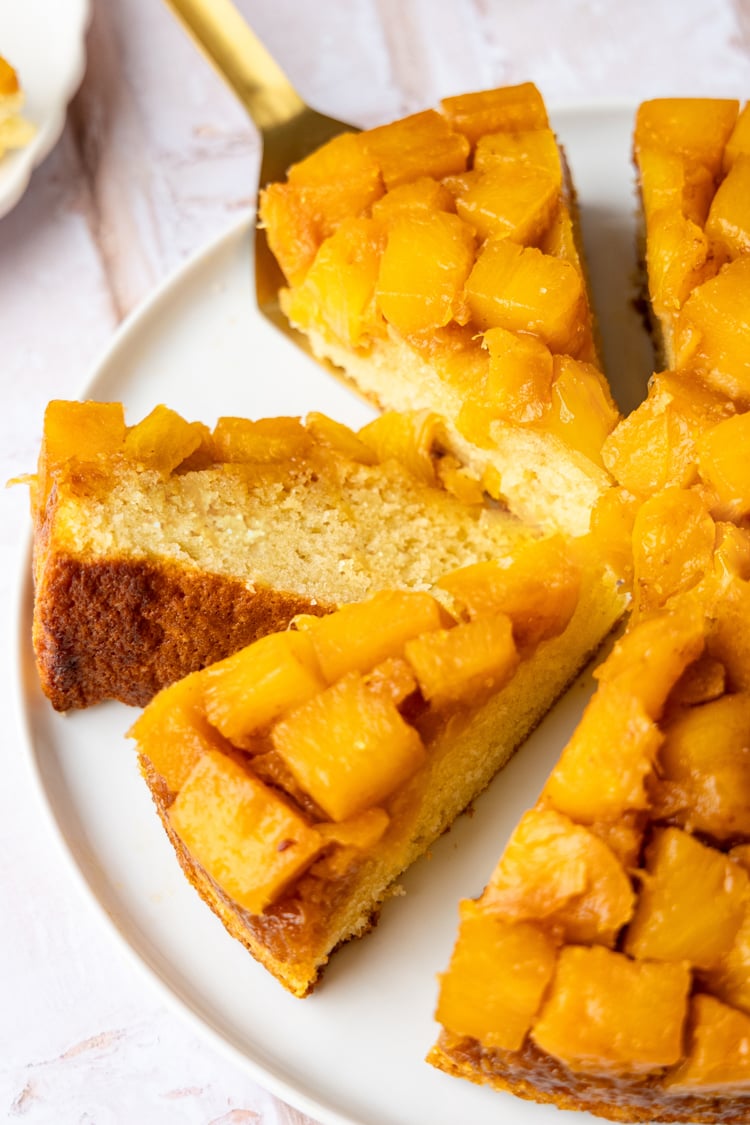
This isn’t the pineapple upside-down cake many of us grew up with—the one made with canned pineapple rings, maraschino cherries, and a box of yellow cake mix. This version is fully homemade, with caramelized fresh pineapple and a soft, buttery cake that bakes up golden. It takes a little more effort than the retro classic, but the flavor and texture are well worth it, and it’s still easy enough for a relaxed weekend.
The caramel might sound a little intimidating, but it’s really not. Just stay close and keep an eye on the color as it cooks. I’ve included visual cues along the way so you’ll know exactly when it’s ready.
Serve the cake warm or at room temperature, on its own or with vanilla ice cream or softly whipped cream. And if you’re feeling nostalgic, go ahead and add a maraschino cherry on top for fun.
What You’ll Need To Make Pineapple Upside-Down Cake
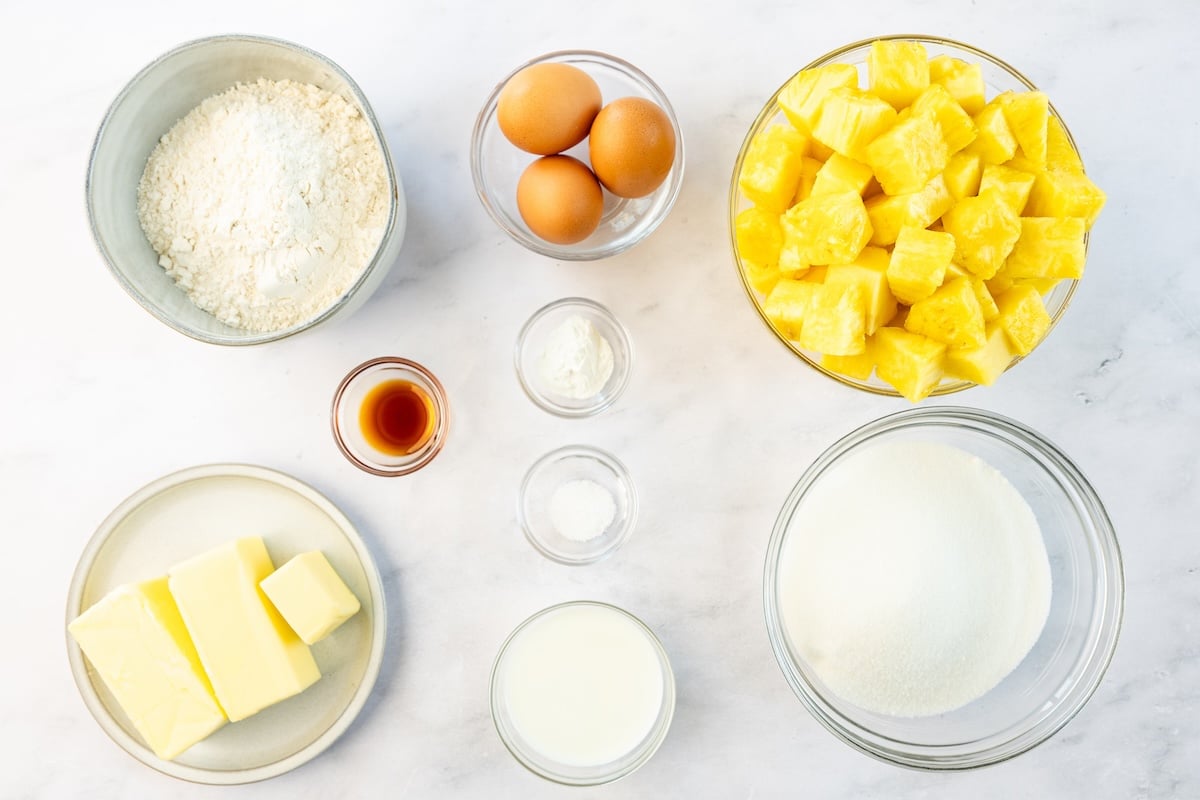
To make this pineapple upside down cake recipe, you’ll need the following ingredients: fresh pineapple, all-purpose flour, baking powder, salt, unsalted butter, granulated sugar, large eggs, vanilla extract, and milk.
Step-by-Step Instructions
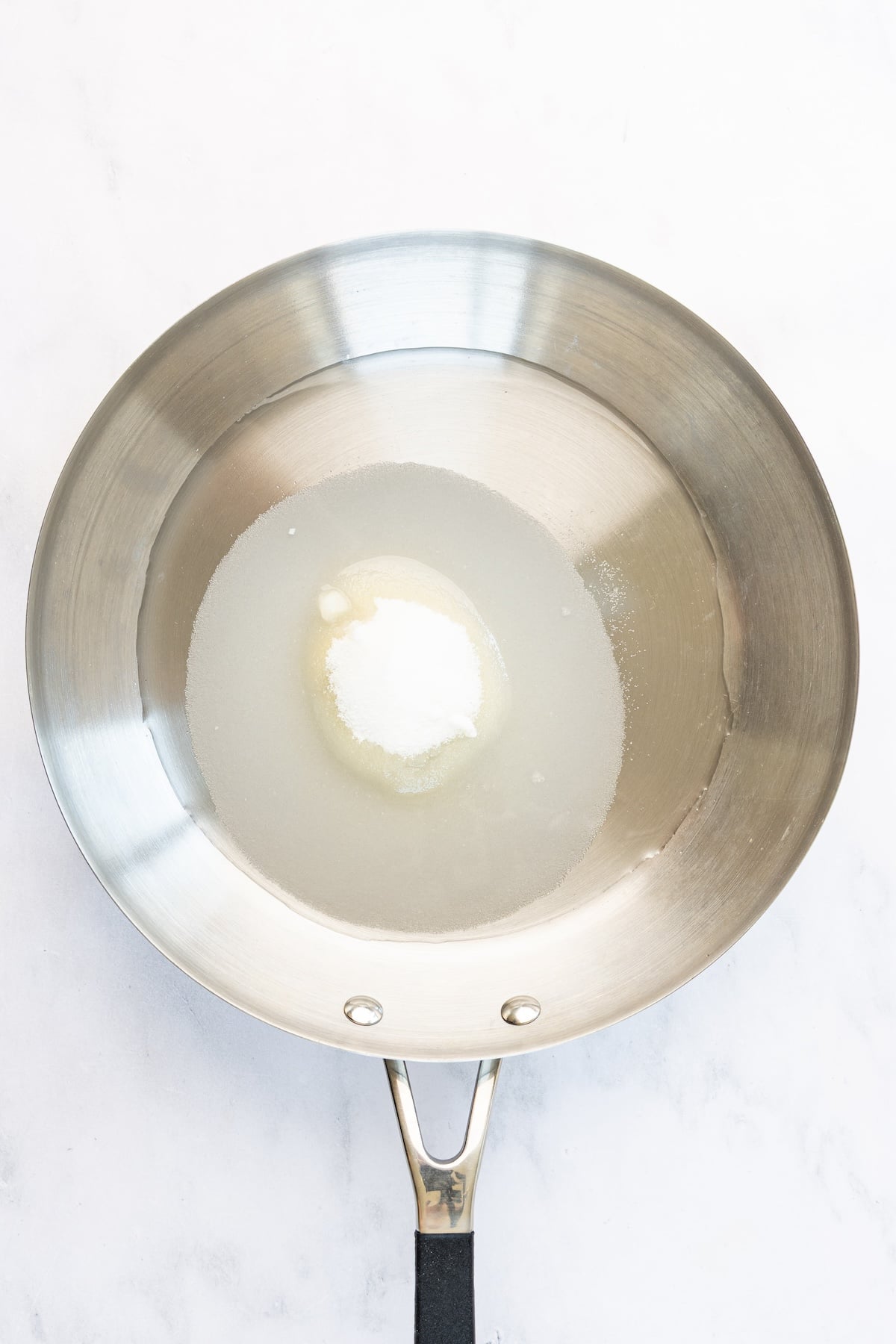
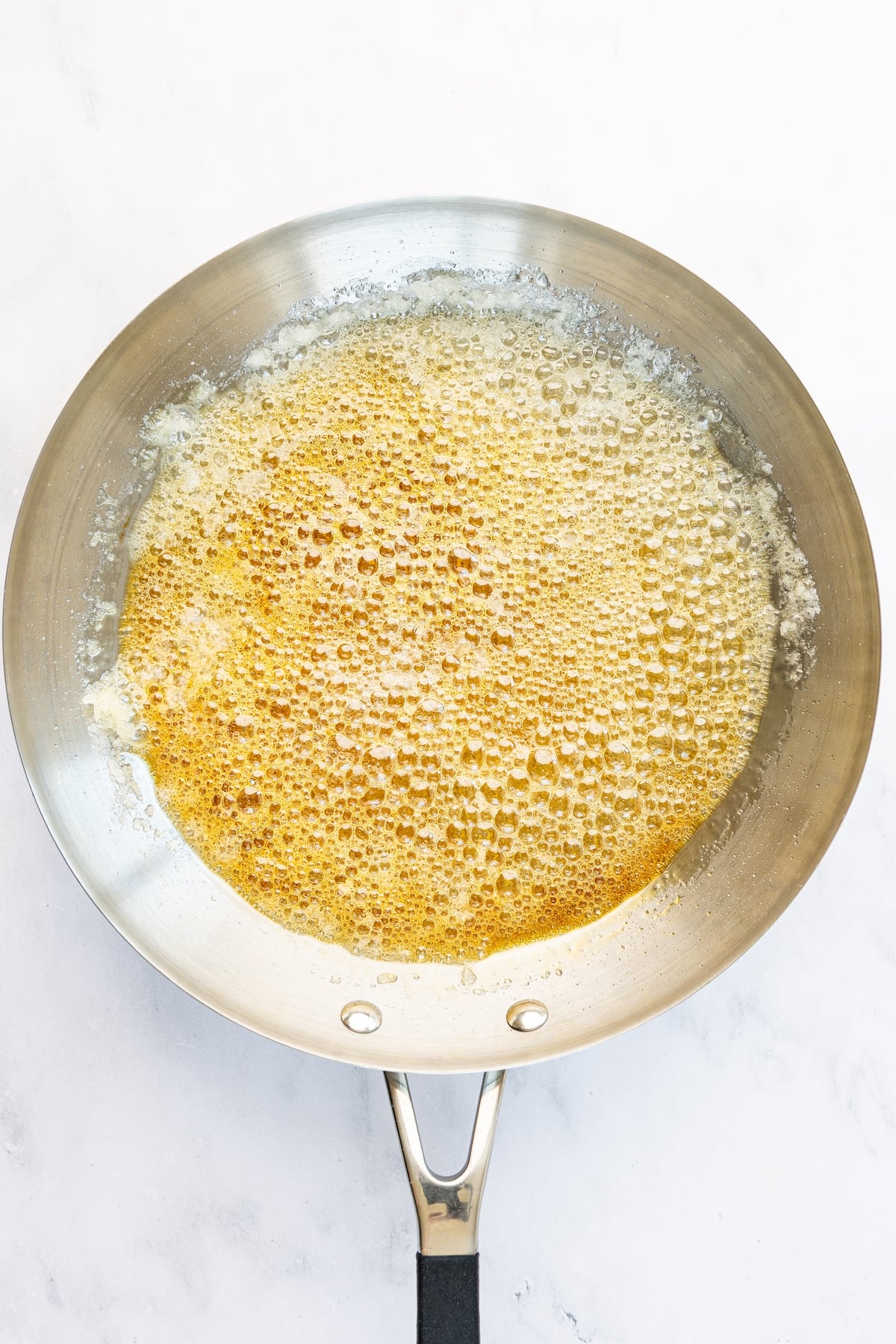
Step 1. Make the caramel. In a 12-inch light-colored skillet, combine the sugar and water and swirl to moisten. Bring to a boil over high heat and cook without stirring until golden at the edges, 4 to 5 minutes. Swirl occasionally until evenly amber.
Pro Tip: Caramel goes from perfect to burnt in seconds—stand right by the stove once it starts turning golden. If it gets too dark, it will taste bitter; better to pull it a shade early than push too far.
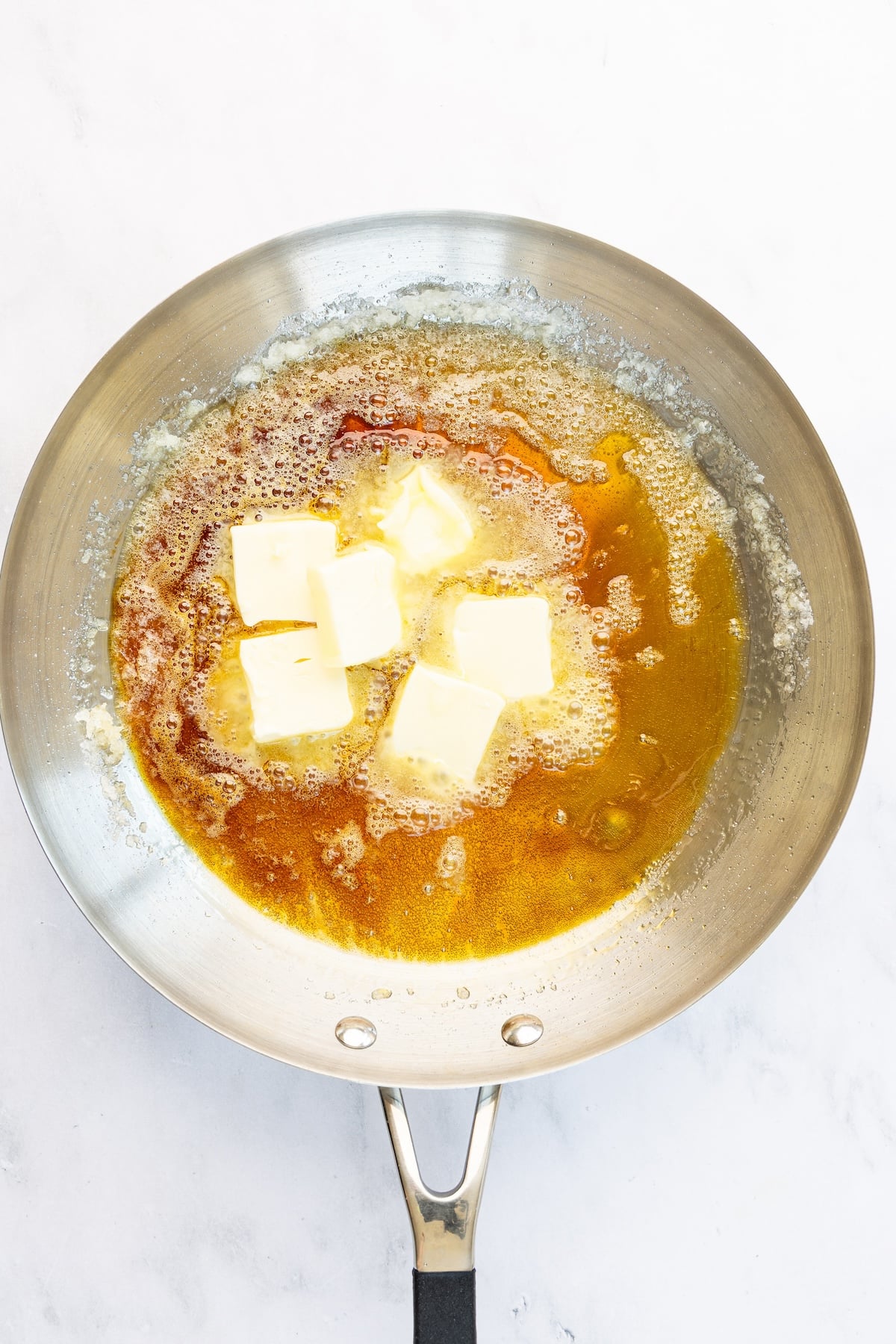
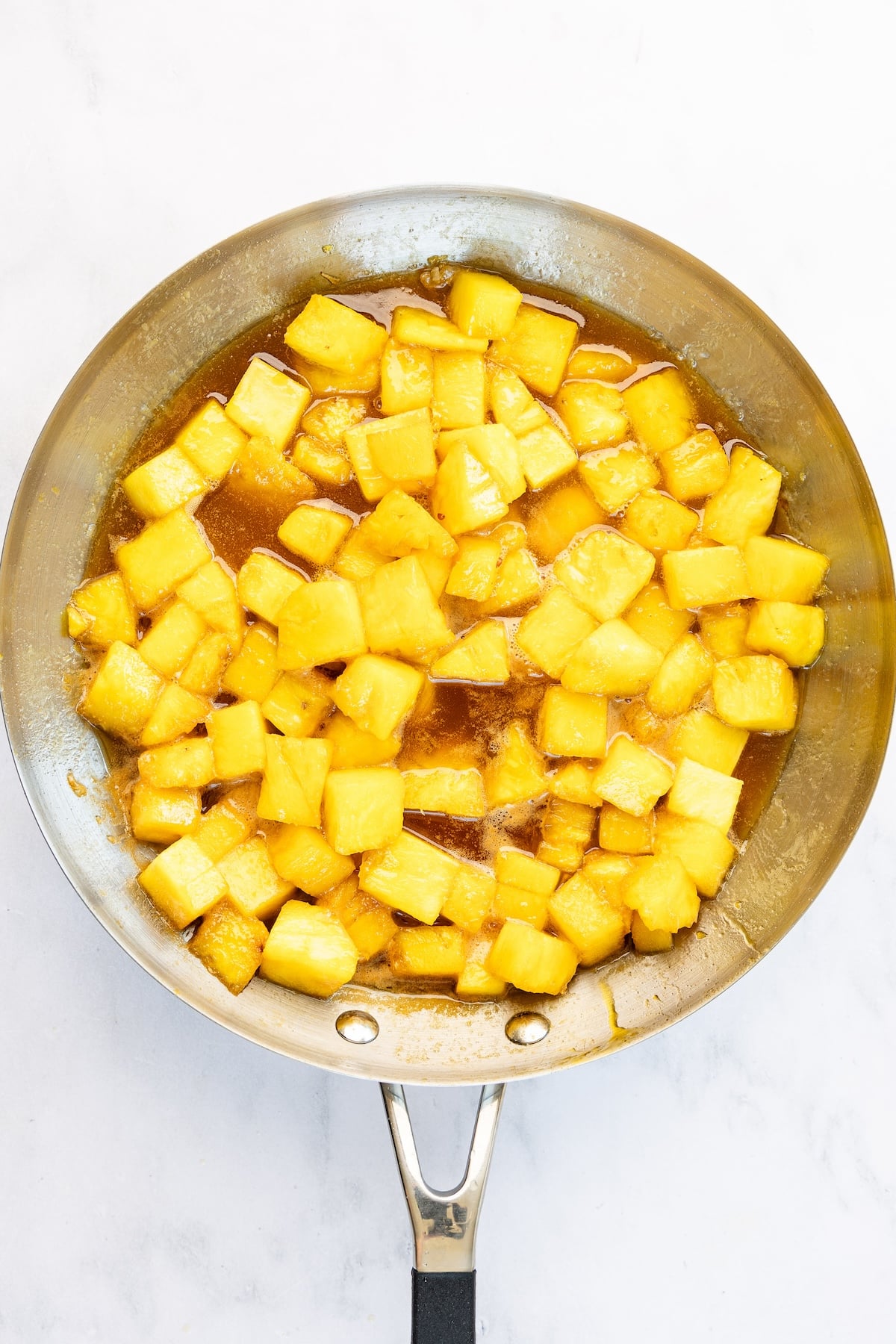
Step 2. Add the butter and pineapple. Reduce the heat to low, carefully add the butter (it will bubble up), then swirl until smooth. Add the pineapple chunks and cook over medium-low, stirring occasionally, until slightly golden and softened, about 8 minutes.
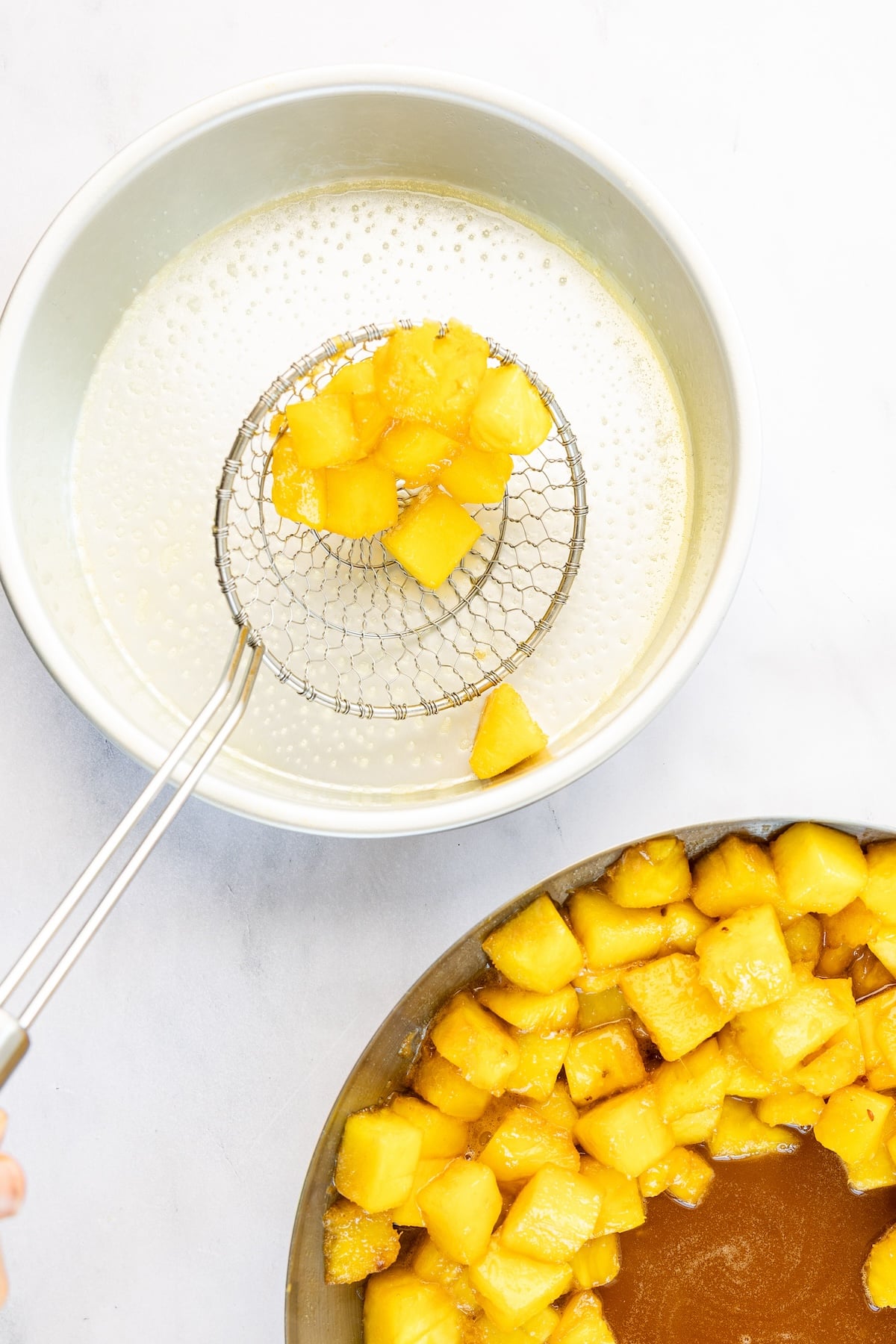
Step 3. Transfer the topping. Use a slotted spoon to arrange the pineapple evenly in a prepared cake pan. Boil the caramel for 2 to 3 minutes more, until foamy and slightly thickened, then pour it evenly over the pineapple. Set aside to cool slightly.
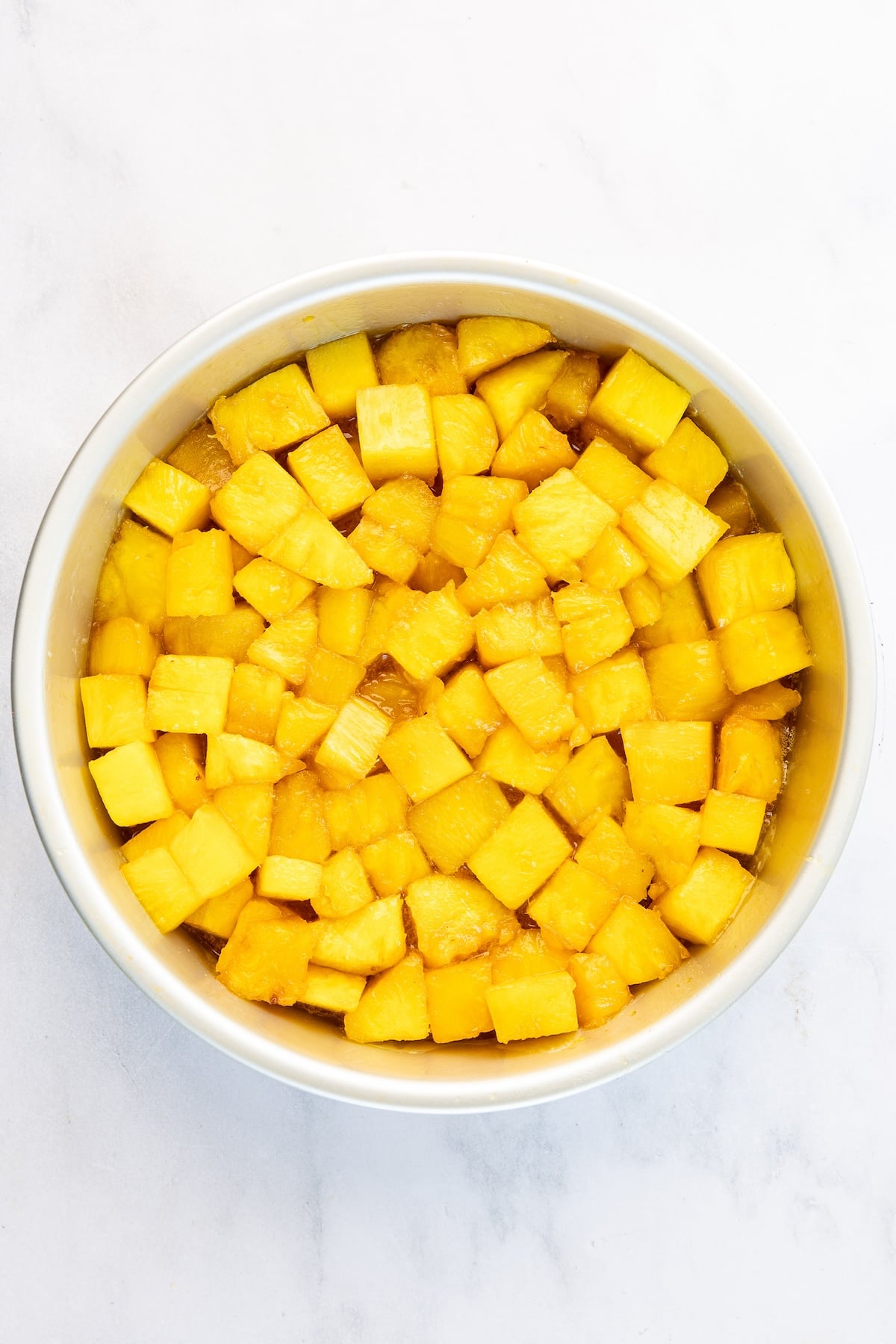
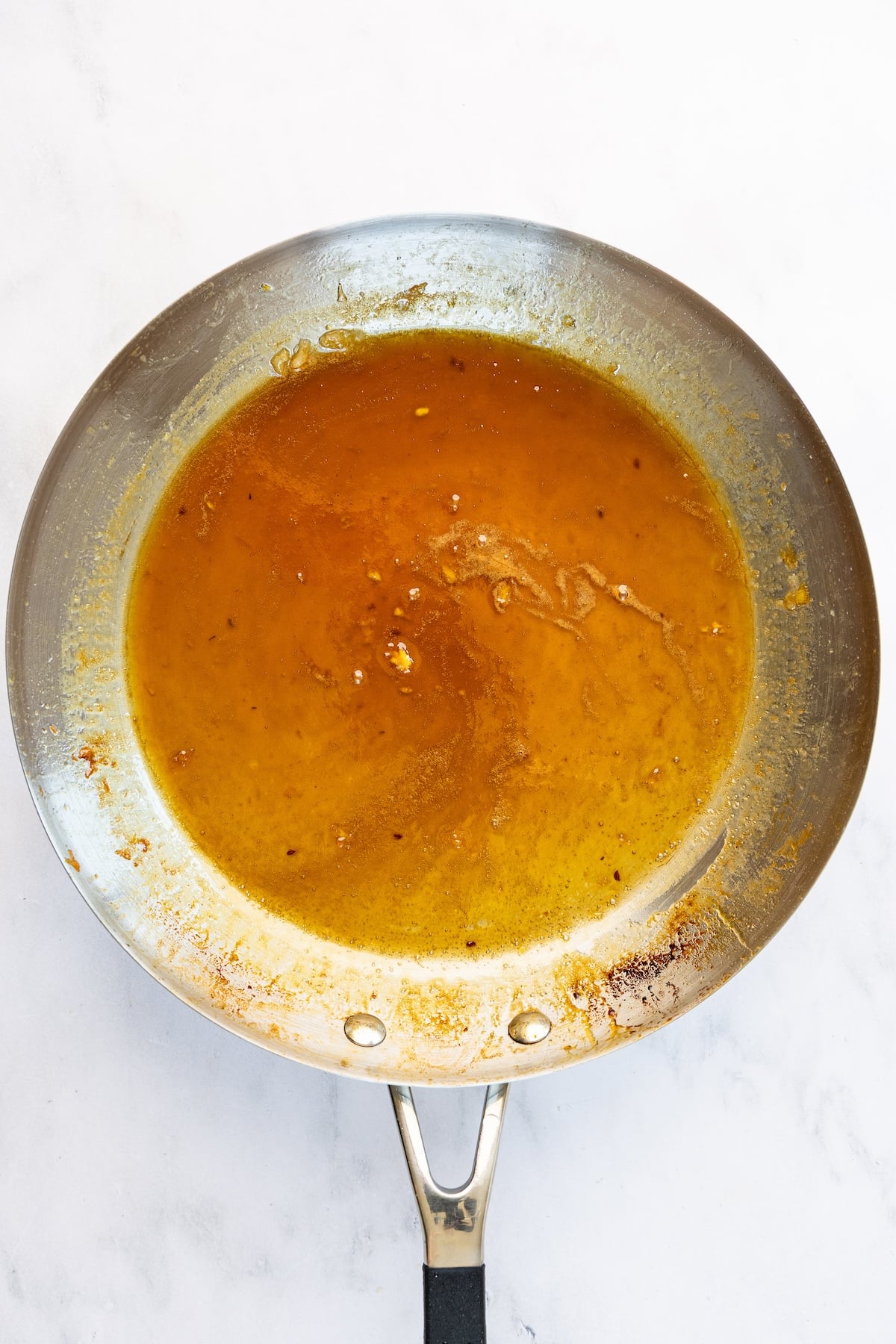
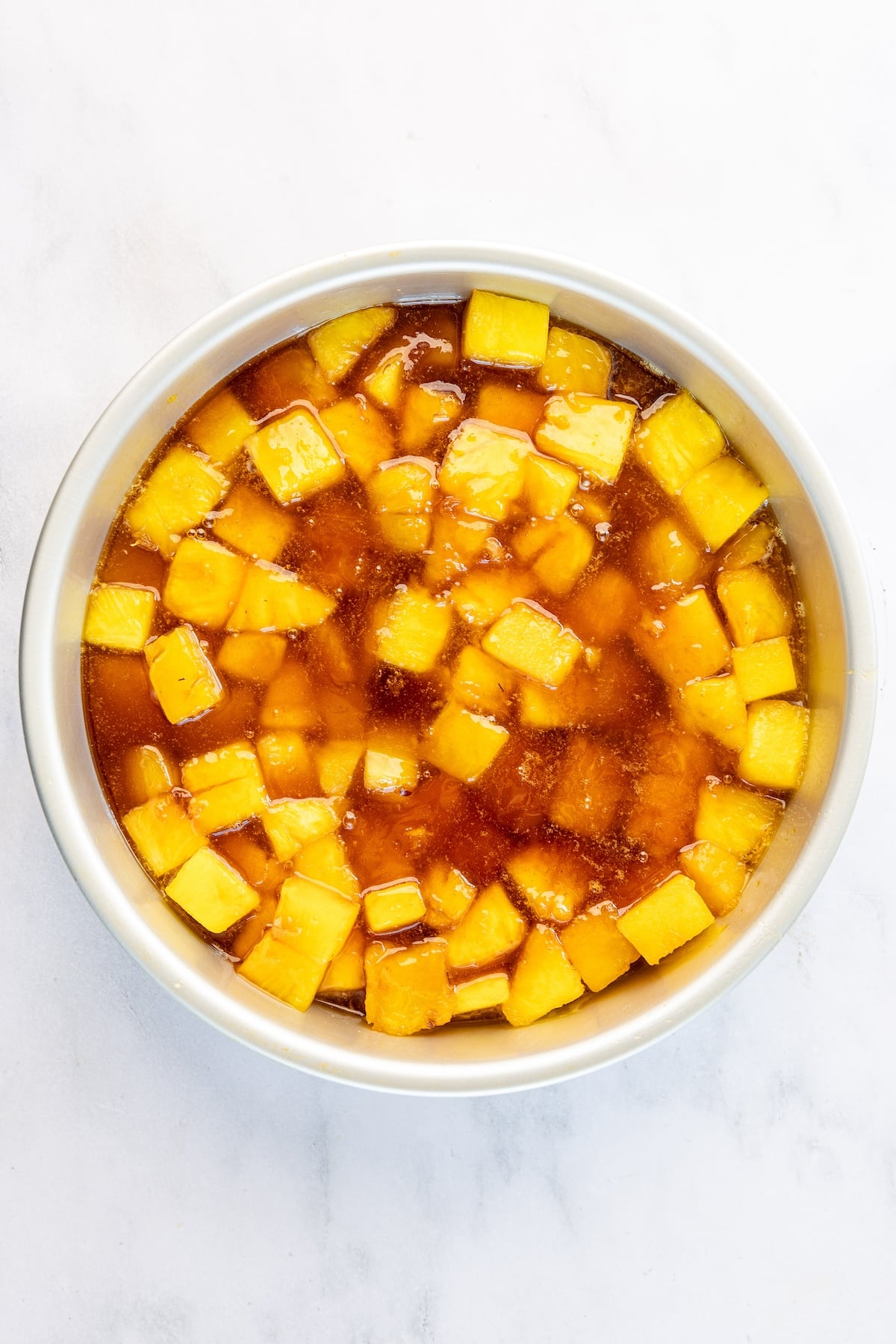
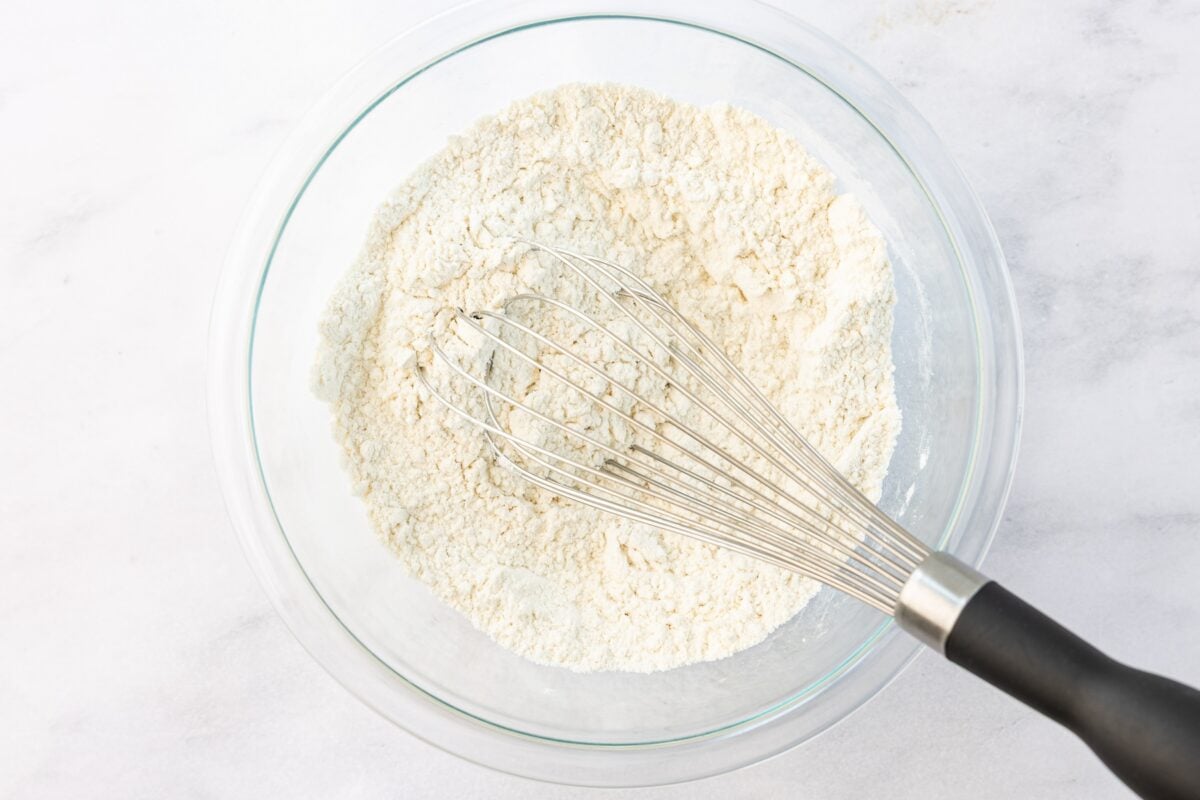
Step 4. Combine the dry ingredients. In a medium bowl, whisk together the flour, baking powder, and salt.
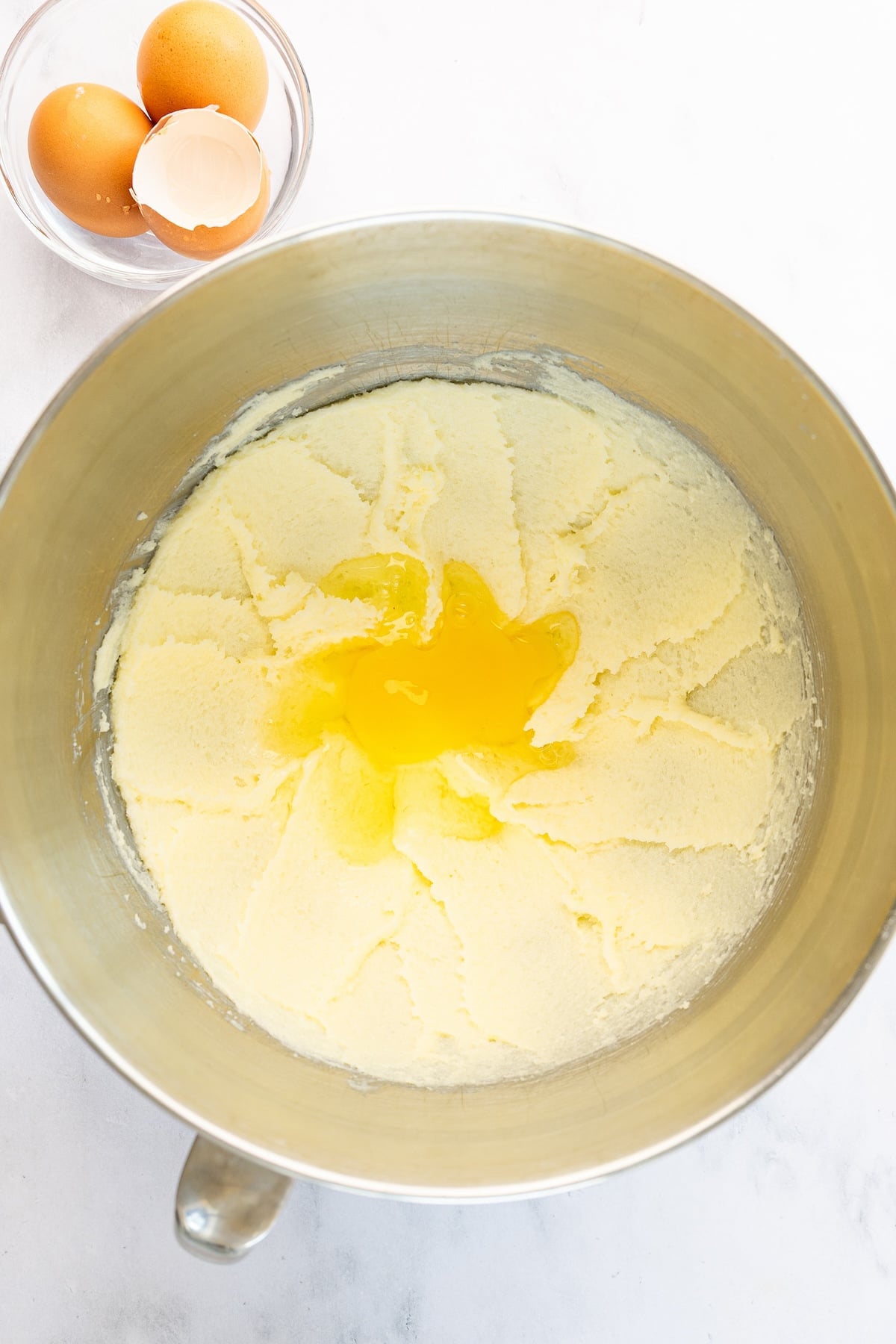
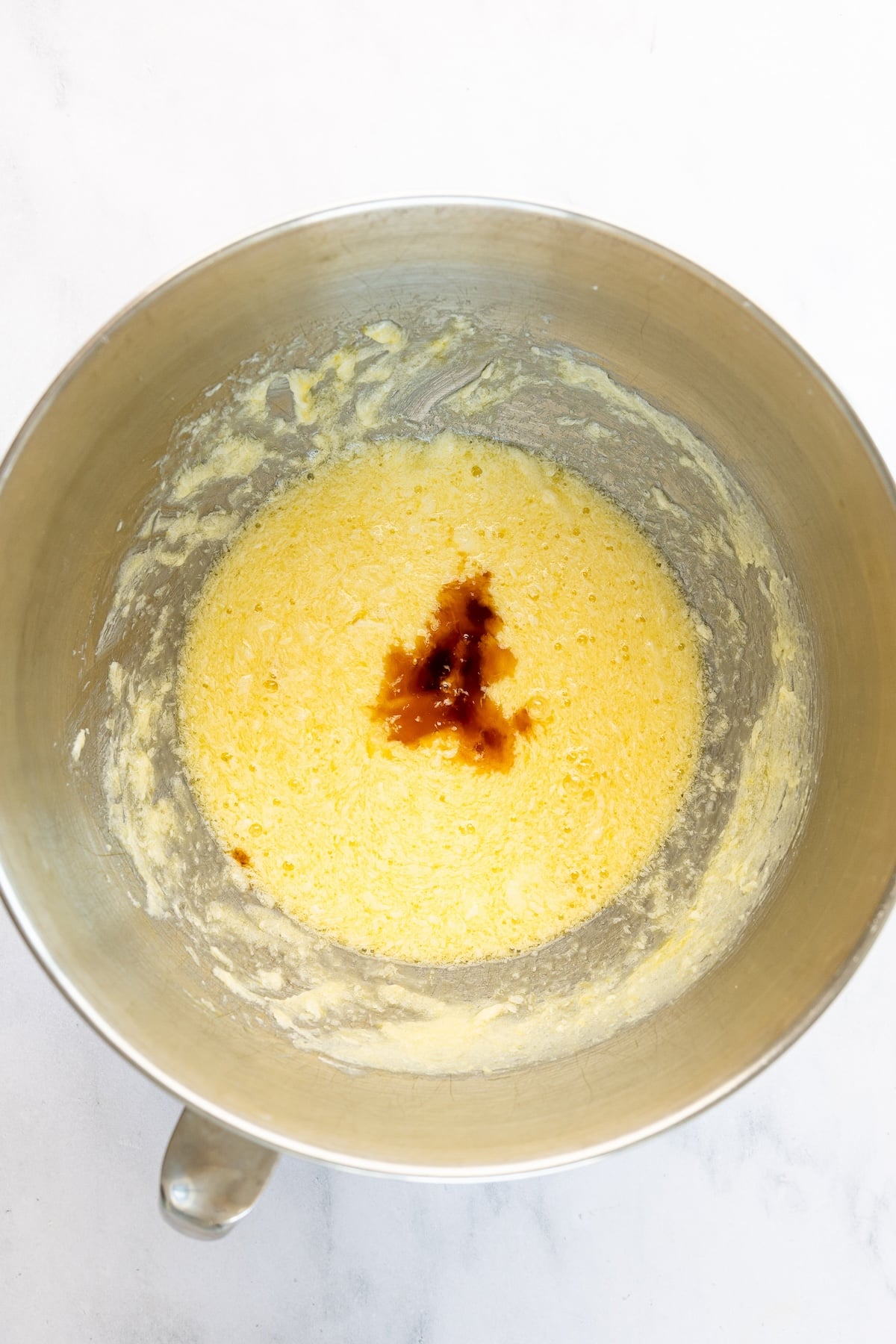
Step 5. Beat the butter, sugar, and eggs. Then, in the bowl of a stand mixer fitted with the paddle attachment, beat the butter and sugar until light and fluffy, 2 to 3 minutes. Add the eggs one at a time, beating well and scraping the bowl after each. Beat in the vanilla.
Pro Tip: Make sure your butter is truly at room temperature (soft enough to dent with your finger but not greasy). Too cold and it won’t cream properly; too warm and the batter can collapse.
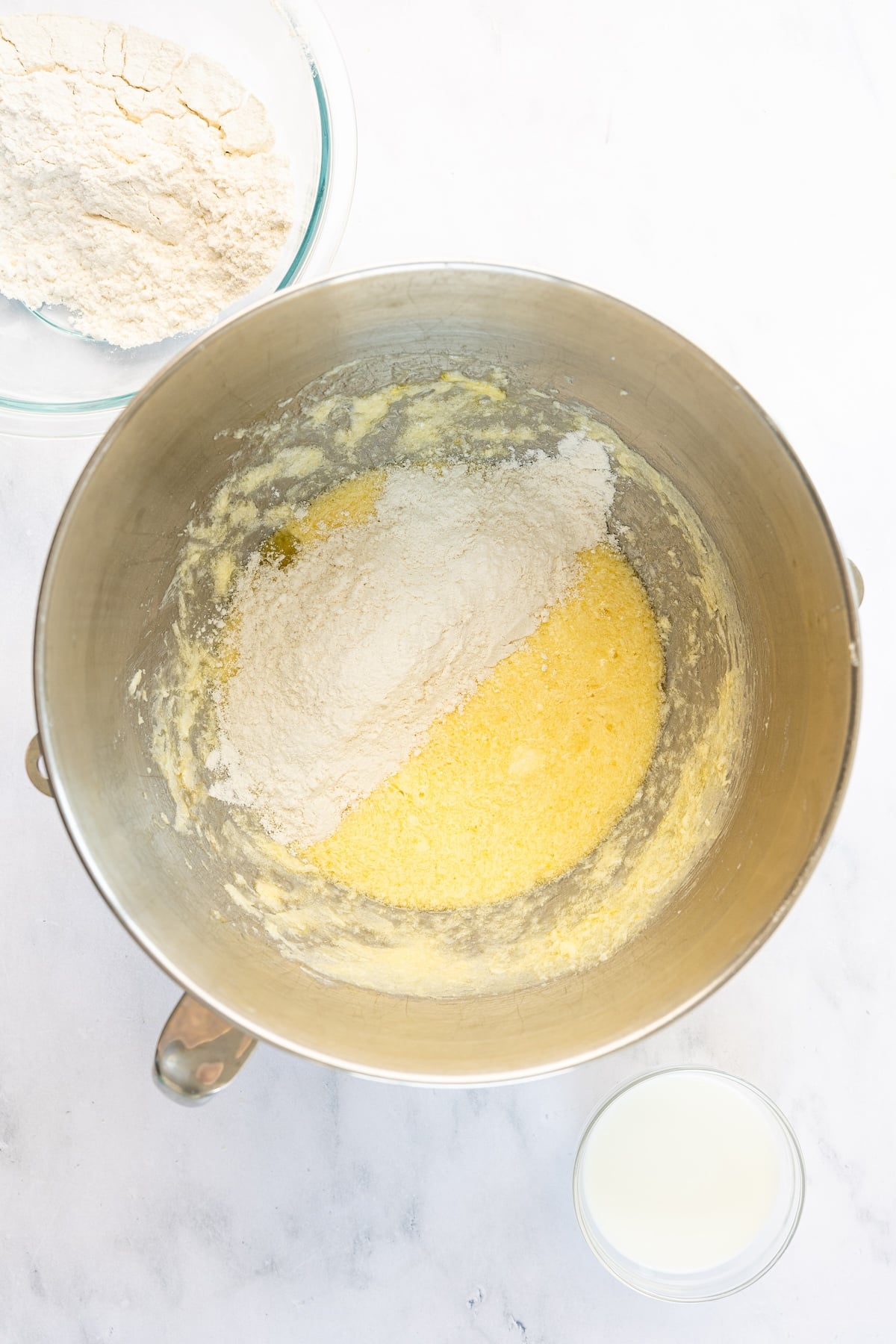
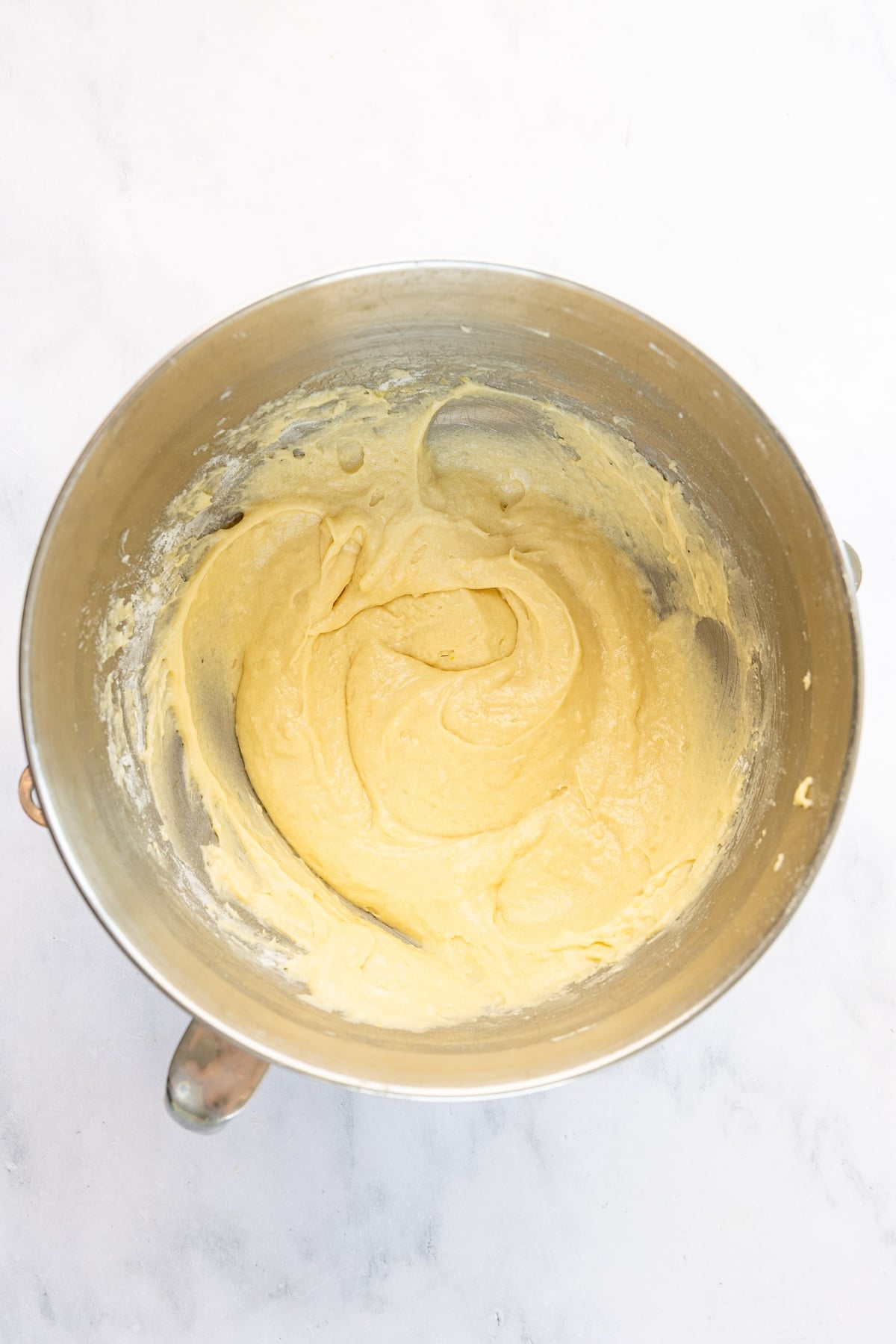
Step 6. Add flour and milk. With the mixer on low, add the flour mixture in three additions, alternating with the milk in two additions, beginning and ending with flour. Mix just until combined.
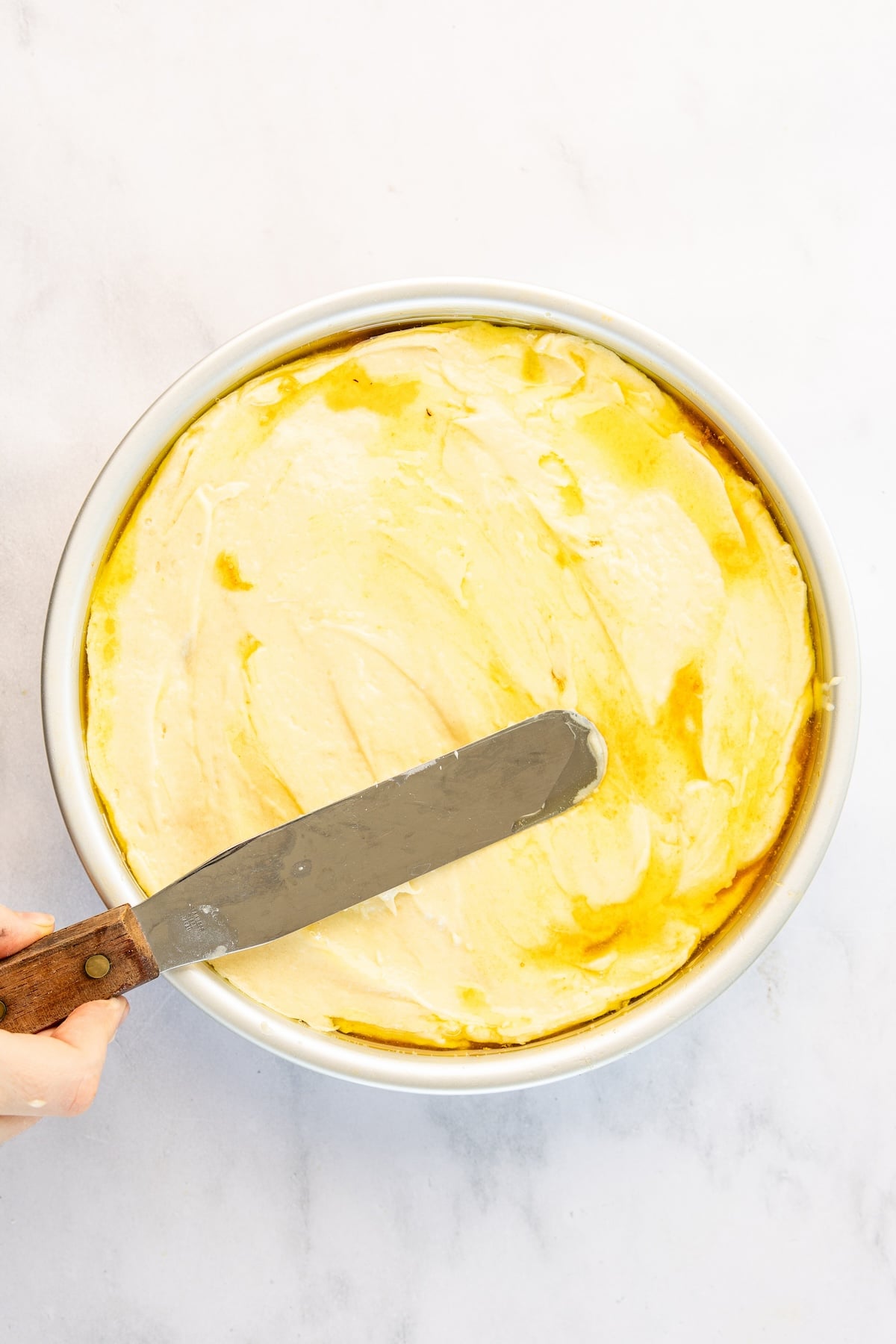
Step 7. Assemble and bake the cake. Spoon the batter evenly over the pineapple and smooth the top with a spatula. Bake in a 350°F oven for 45 to 50 minutes, until the top is golden and a tester comes out clean.
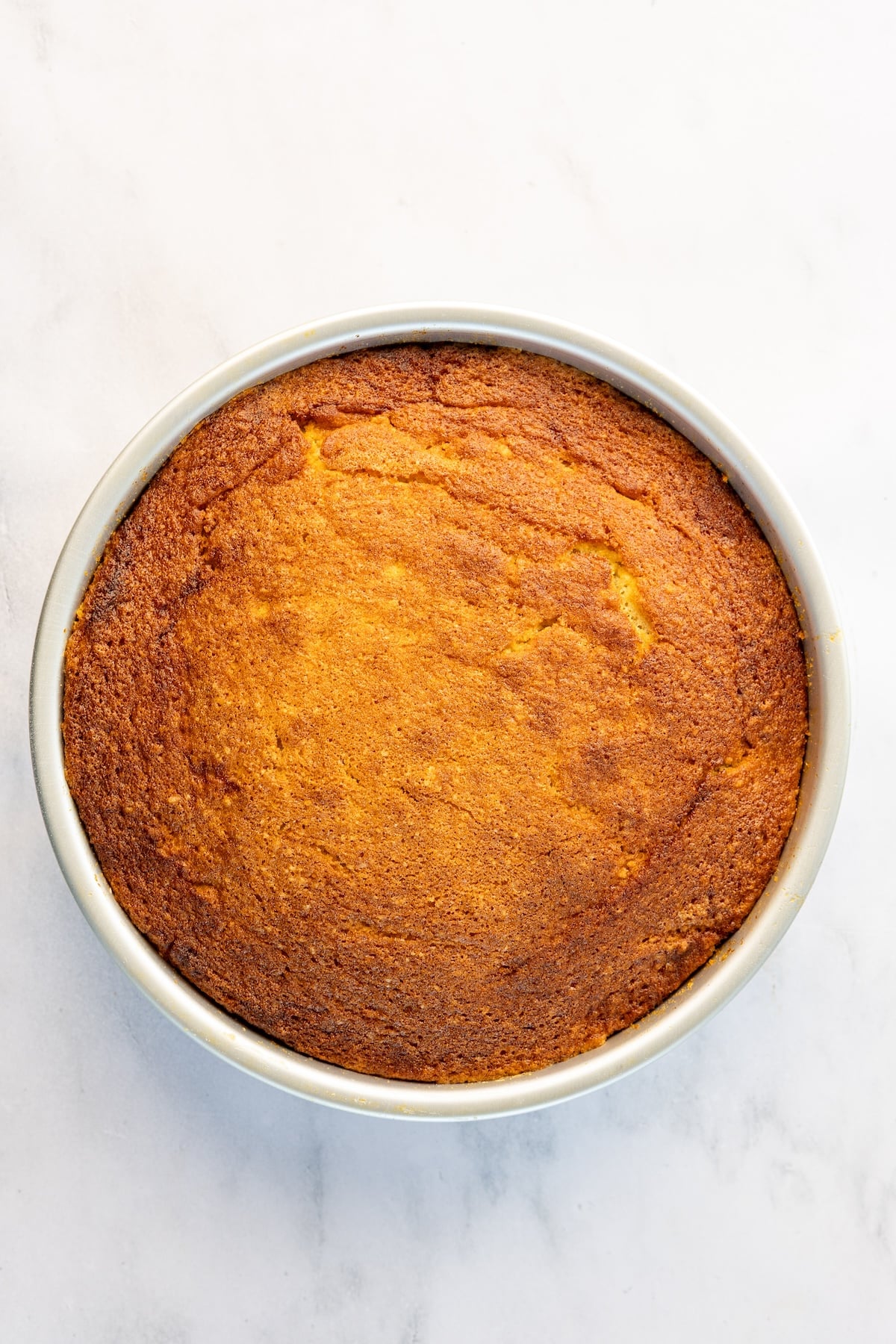
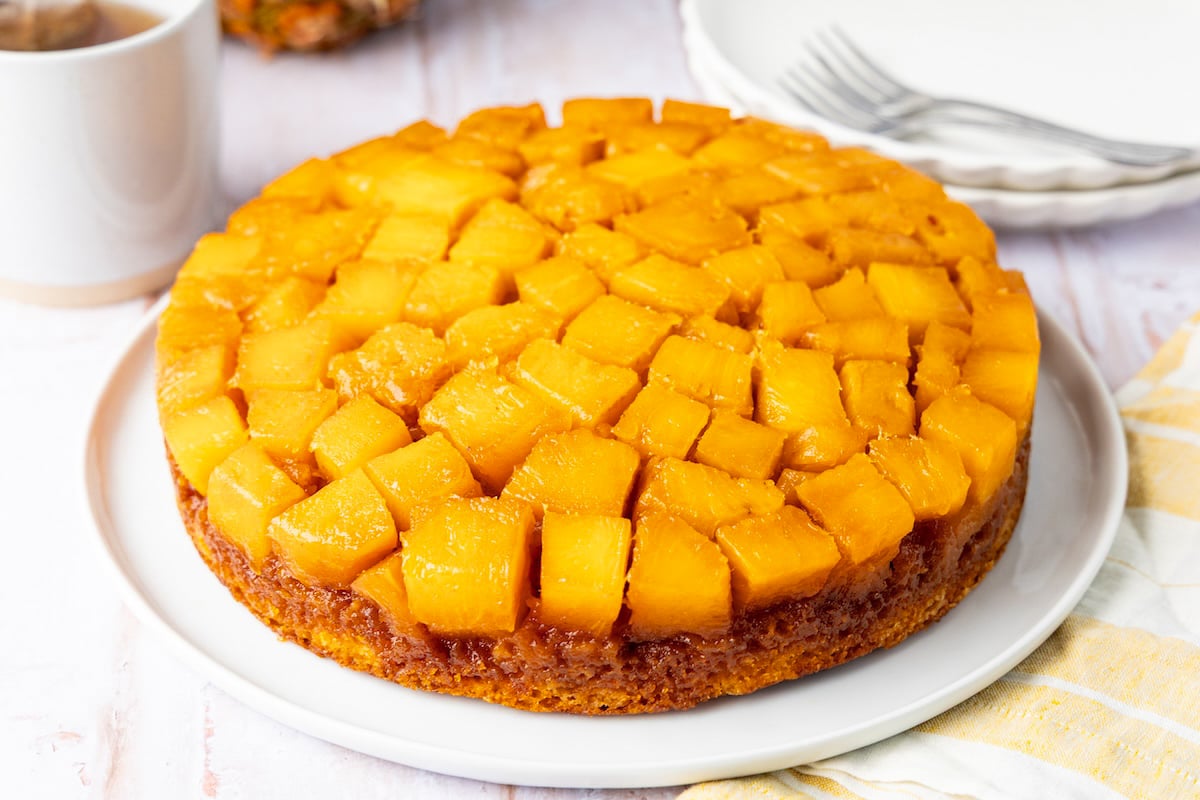
Step 9. Cool and invert. Cool in the pan for 30 minutes on a rack. Run a knife around the edges, then invert onto a platter. Replace any pineapple that sticks.
MOre cakes that celebrate Fruit




Pineapple Upside-Down Cake
Ingredients
For the Pineapple Topping
- ¾ cup granulated sugar
- ½ cup water
- 5 cups fresh pineapple, cut into 1-in (2.5-cm) chunks
- 6 tablespoons butter
For the Cake Batter
- 1½ cups all-purpose flour, spooned into measuring cup and leveled-off
- 1½ teaspoons baking powder
- ½ teaspoon salt
- ¾ cup (1½ sticks) unsalted butter, at room temperature
- 1 cup granulated sugar
- 3 large eggs
- 1½ teaspoons vanilla extract
- ¼ cup milk
- Vanilla ice cream or whipped cream, optional, for serving
Instructions
- Preheat the oven to 350°F (175°C) and set an oven rack in the middle position. Grease a 9-in (23-cm) round cake pan with butter or nonstick cooking spray.
- Make the Pineapple Topping: In a 12-in (30-cm) stainless steel or other light-colored skillet (so you can easily monitor the color of the caramel), combine the sugar and water. Swirl gently to moisten all the sugar. Bring to a boil over high heat and cook, without stirring, until the mixture begins to turn golden around the edges, 4 to 5 minutes. Once it starts to caramelize, swirl the pan occasionally until the caramel is an even amber color, a few minutes more. Stay close by at this point to monitor the color—you’ll know it’s close when you start to smell whiffs of burnt sugar.
- Reduce the heat to low and carefully add the butter—it will bubble up. Swirl the pan until the butter is melted and the mixture is smooth, then carefully add the pineapple chunks (remember you don’t want it to splatter as it’s very hot). Some of the caramel may harden up initially; don’t worry, it will melt again as the pineapple heats up. Bring to a boil over high heat, then lower the heat to medium-low and cook, stirring occasionally, until the pineapple is slightly golden and softened, about 8 minutes.
- Using a slotted spoon, transfer the pineapple to the prepared cake pan, arranging it in an even layer. (It’s easiest to tilt the skillet so the juices pool on one side, making it easier to scoop out the fruit.) Once you’ve removed all the pineapple, continue cooking the caramel over high heat for 2 to 3 minutes, or until foamy and slightly thickened. If you scrape a wooden spoon across the bottom of the pan, the caramel should hold a line for 2 to 3 seconds before it flows back together. Pour the caramel sauce evenly over the pineapple. Set aside to cool slightly while you prepare the cake batter.
- Make the Cake Batter: In a medium bowl, whisk together the flour, baking powder, and salt.
- In the bowl of an electric mixer fitted with the paddle attachment or beaters, cream the butter and sugar on medium speed until light and fluffy, 2 to 3 minutes. Add the eggs one at a time, beating well and scraping down the sides after each addition. Beat in the vanilla. Don’t worry if the mixture looks a bit curdled.
- With the mixer on low speed, add the flour mixture in three additions, alternating with the milk in two additions, beginning and ending with the flour. Mix until just evenly combined.
- Spoon the batter over the pineapple and smooth the top with an offset spatula.
- Bake the cake for 45 to 50 minutes, or until the top is golden and a cake tester inserted in the center comes out clean.
- Cool the cake in the pan on a rack for 30 minutes. Run a knife around the edge of the pan to loosen, then invert onto a serving platter. If any pineapple sticks to the pan, just gently place it back on top. Serve warm or at room temperature. (A serrated knife is best for slicing through the pineapple layer.)
Notes
- This cake is best served fresh on the day it’s made, when the topping is glossy and the cake is tender. Store it at room temperature, ideally in a cake carrier or covered with an inverted bowl to protect the topping (you can also cover loosely with foil).
- If you need to make it further ahead, you can refrigerate the fully cooled, inverted cake—just be sure to cover it carefully to avoid damaging the topping. Before serving, let the cake come to room temperature. If you’d like to serve it warm, individual slices can be gently reheated in the microwave.
- To freeze leftovers, wrap individual slices in plastic wrap and foil, and freeze for up to 2 months. The caramel topping may lose a bit of its shine, but the flavor will still be delicious. Thaw at room temperature or warm briefly in the microwave before serving.
Nutrition Information
This website is written and produced for informational purposes only. I am not a certified nutritionist and the nutritional data on this site has not been evaluated or approved by a nutritionist or the Food and Drug Administration. Nutritional information is offered as a courtesy and should not be construed as a guarantee. The data is calculated through an online nutritional calculator, Edamam.com. Although I do my best to provide accurate nutritional information, these figures should be considered estimates only. Varying factors such as product types or brands purchased, natural fluctuations in fresh produce, and the way ingredients are processed change the effective nutritional information in any given recipe. Furthermore, different online calculators provide different results depending on their own nutrition fact sources and algorithms. To obtain the most accurate nutritional information in a given recipe, you should calculate the nutritional information with the actual ingredients used in your recipe, using your preferred nutrition calculator.
I really enjoyed the taste of this cake, but I did have trouble with the first batch of pineapple topping. I watched it very closely but maybe because I was using an induction cooktop, the first batch burnt. I made a second batch and lowered the heat to 7, and maybe took it off when it was barely changing color and swirled it a lot off the heat. After removing the pineapple I also just used 7, not high temp and perhaps cooked it a bit less, but it didn’t burn that time. Although I enjoyed the finished cake, the time and stress of the topping mean it may not get made again. But it did taste delicious!