


This post may contain affiliate links. Read my full disclosure policy.
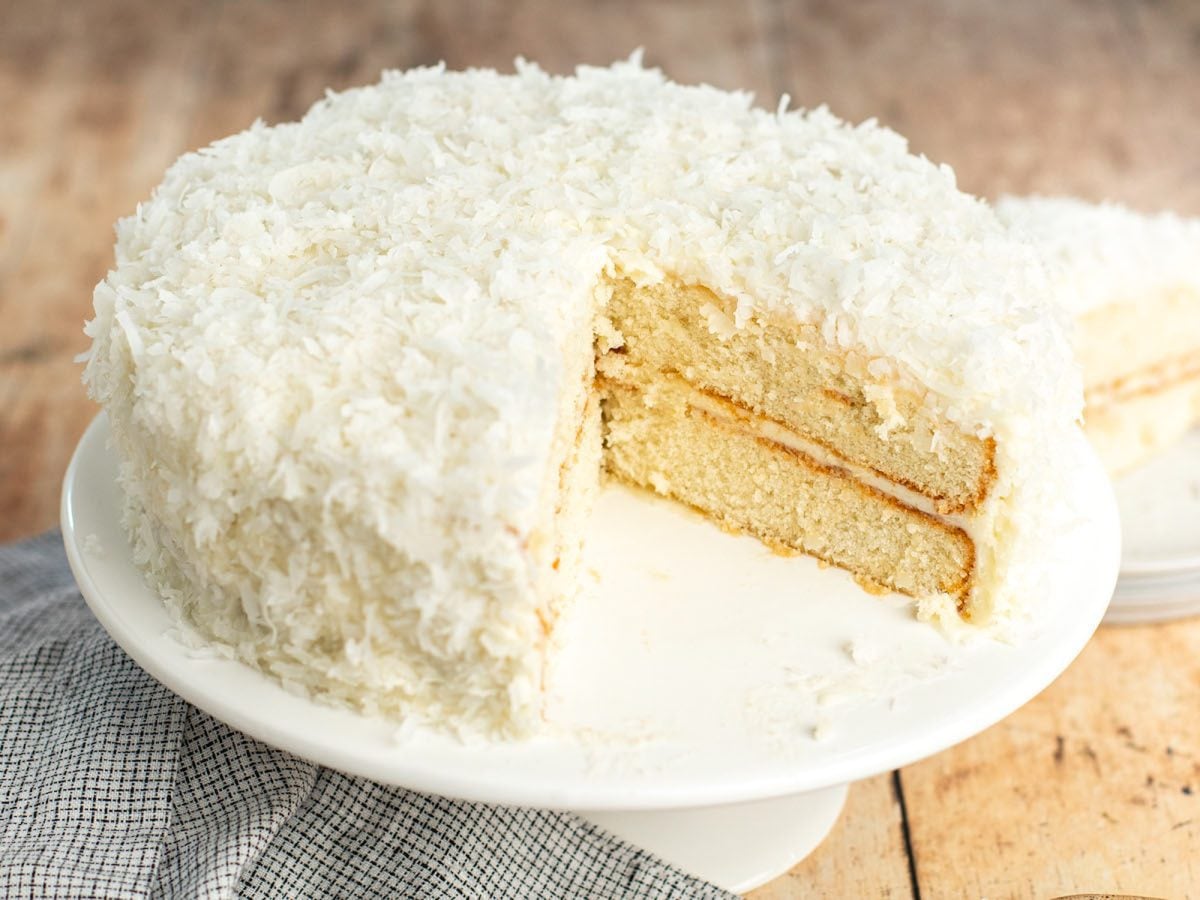
This coconut cake recipe makes a beautifully soft, fluffy layer cake with rich coconut flavor in every bite. Perfect for birthdays, holidays, or just because.

This coconut cake recipe has been a favorite in my family for years. It’s rich and coconutty, with tangy cream cheese frosting and plenty of shredded coconut. Using egg whites instead of whole eggs gives the cake a light, delicate texture.
I use a reverse-creaming method, which simply means mixing the butter into the dry ingredients before adding the liquid. It may sound unusual, but it makes the cake exceptionally tender. The result is an impressive and delicious layer cake that’s simple to make and especially nice for Easter, birthdays, and other celebrations.
“Can easily vouch, this is one of the absolute BEST coconut cake recipes ever…I’ve also made this recipe into cupcakes and they bake up just as beautifully.”
What You’ll Need To Make Coconut Cake

- Flour, sugar, baking powder, and salt: These are whisked together at the start of the recipe. For the best texture, measure the flour using the spoon-and-level method rather than scooping it directly from the bag.
- Unsalted butter: Make sure it’s softened but still slightly cool to the touch. The butter gets mixed directly into the dry ingredients as part of the reverse-creaming method.
- Egg whites: Using whites instead of whole eggs helps give the cake its light, delicate texture.
- Canned coconut milk: Use full-fat, unsweetened coconut milk from a can—not refrigerated coconut milk beverage. Look for a brand that contains a stabilizer such as guar gum, which helps keep the coconut milk evenly emulsified and gives the cake a more consistent texture.
- Vanilla and coconut extracts: Vanilla rounds out the flavor, while coconut extract gives the cake a more pronounced coconut taste.
- Cream cheese frosting: The tanginess of the frosting is a nice counterpoint to the sweet coconut cake.
- Sweetened shredded coconut: Creates the snowy coconut coating and adds texture and coconut flavor to every bite.
- Jump to the printable recipe for precise measurements
How To Make Coconut Cake
Mix the wet and dry ingredients: Whisk together the coconut milk, egg whites, vanilla, and coconut extract in a measuring cup or bowl with a pouring spout. In the bowl of a stand mixer, combine the flour, sugar, baking powder, and salt.


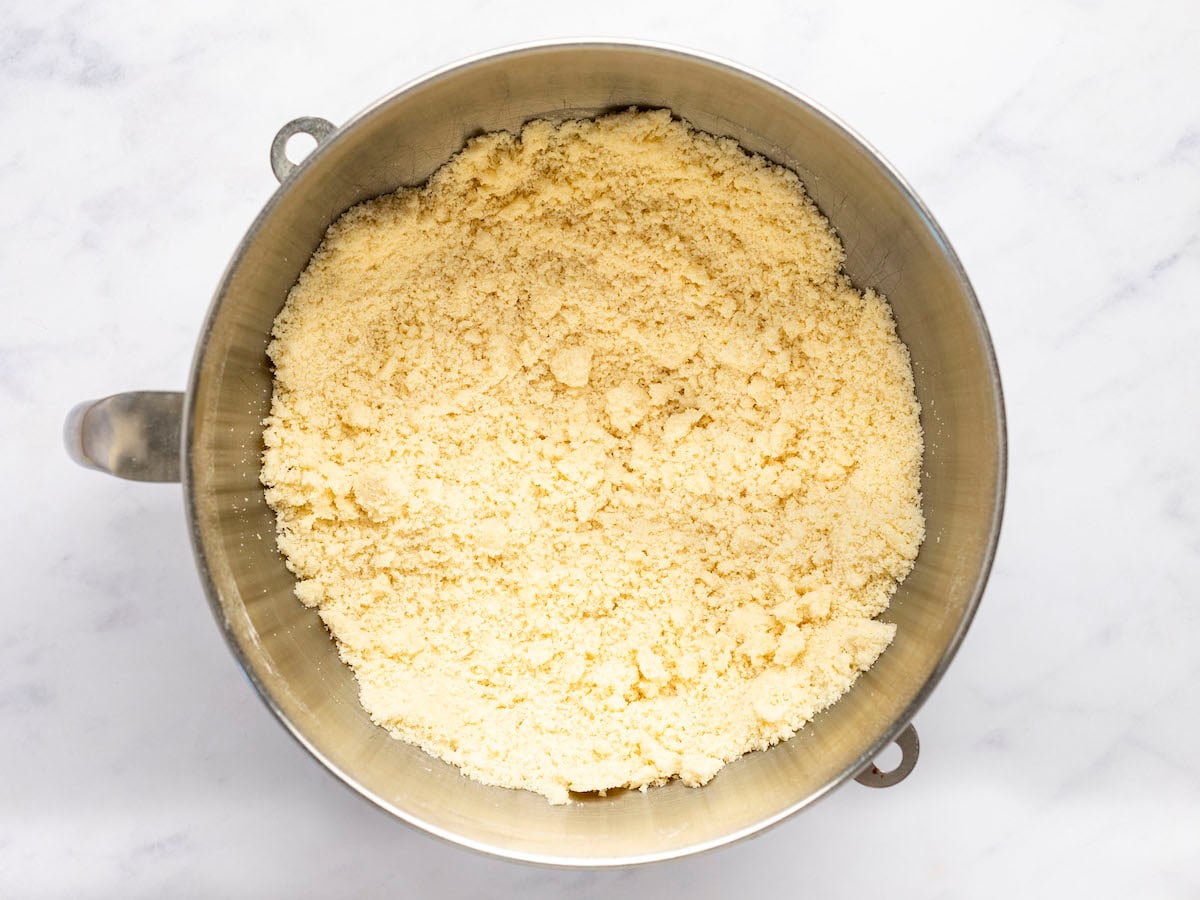
Make the batter: Add the butter to the dry ingredients and mix until the mixture looks crumbly and sandy. This is the reverse-creaming method, and while it may look a little unusual at this stage, that’s exactly what you want. Gradually add the coconut milk mixture and mix just until the batter is smooth.



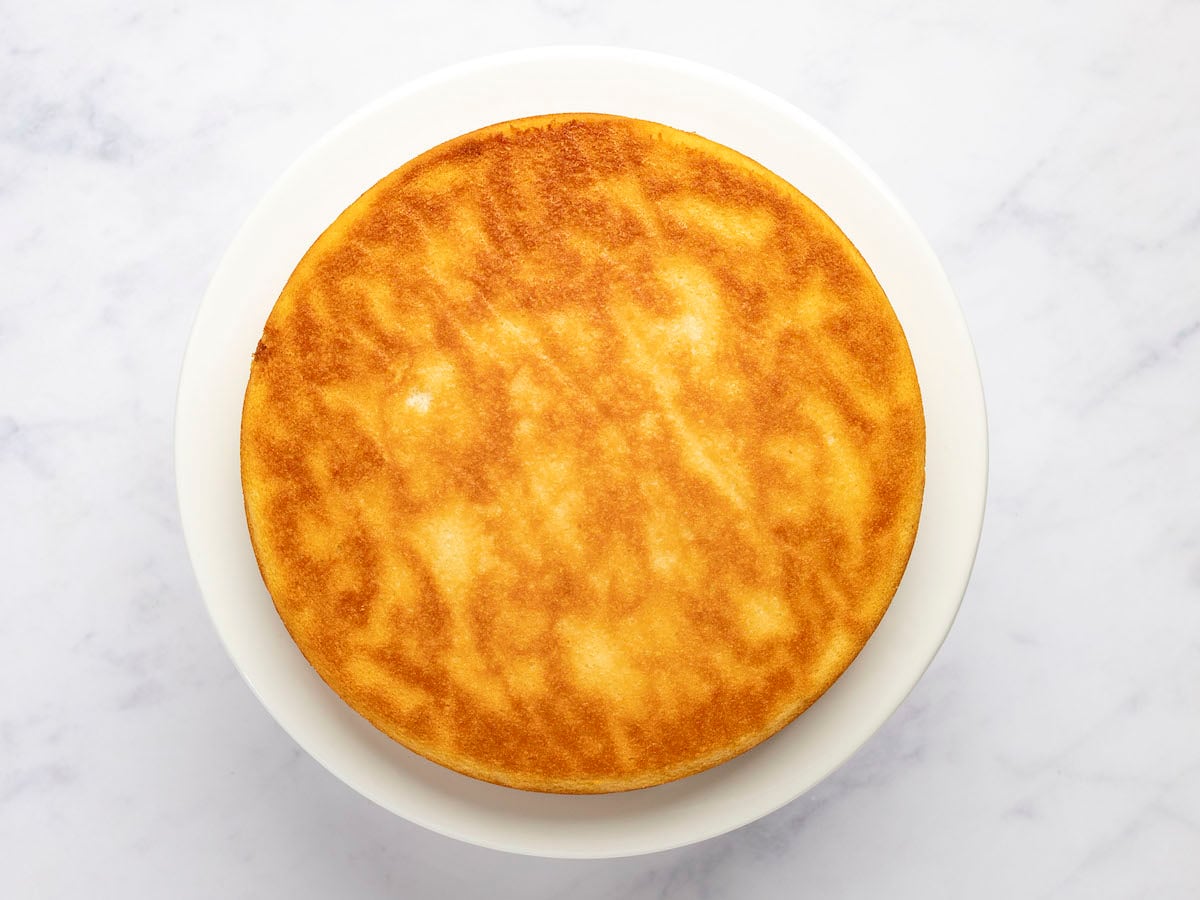
Bake the cake layers: Divide the batter evenly between the prepared pans and bake until the cakes are lightly golden and a tester inserted into the center comes out clean. Let them cool briefly in the pans before turning them out onto a rack to cool completely.


Make the cream cheese frosting: Beat the cream cheese, butter, vanilla, coconut extract, and salt until smooth and light. Gradually add the confectioners’ sugar, then beat until the frosting is fluffy.


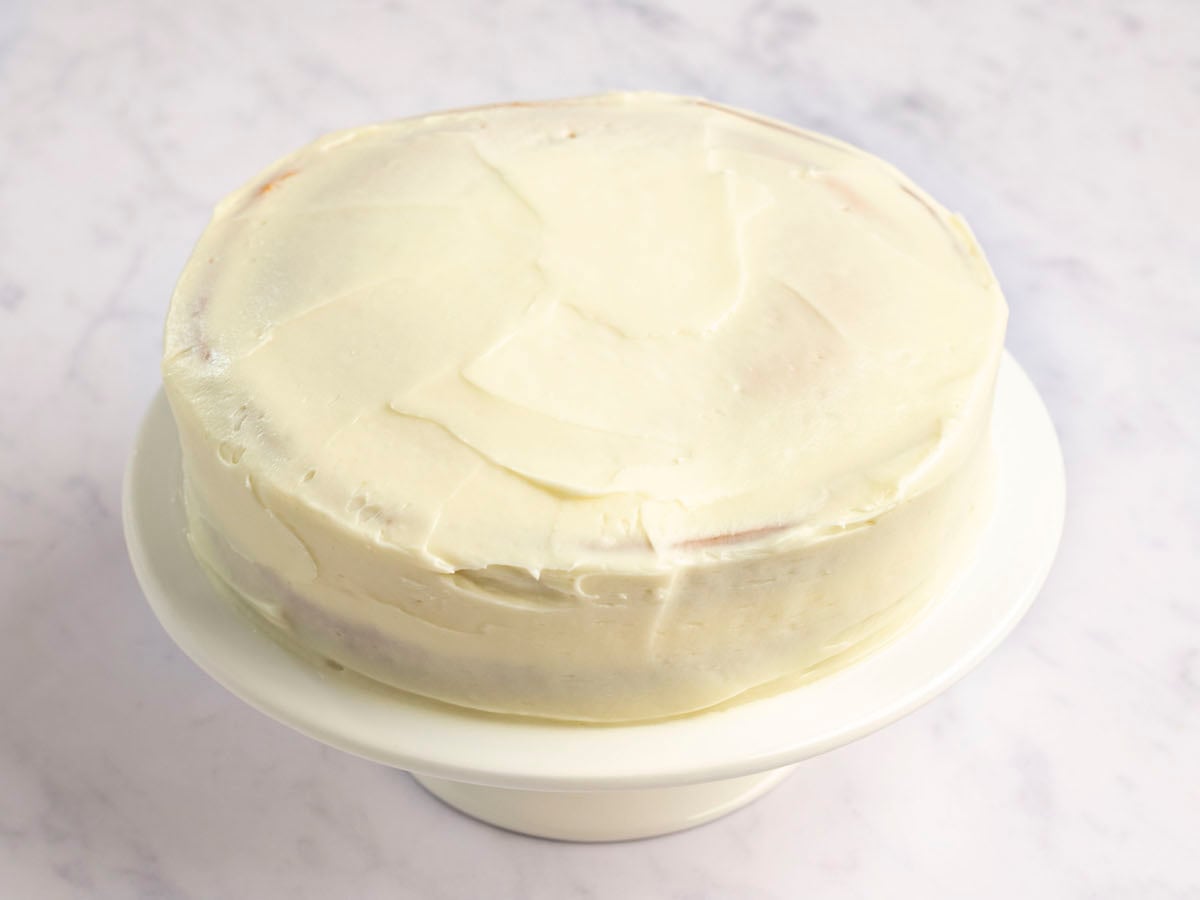
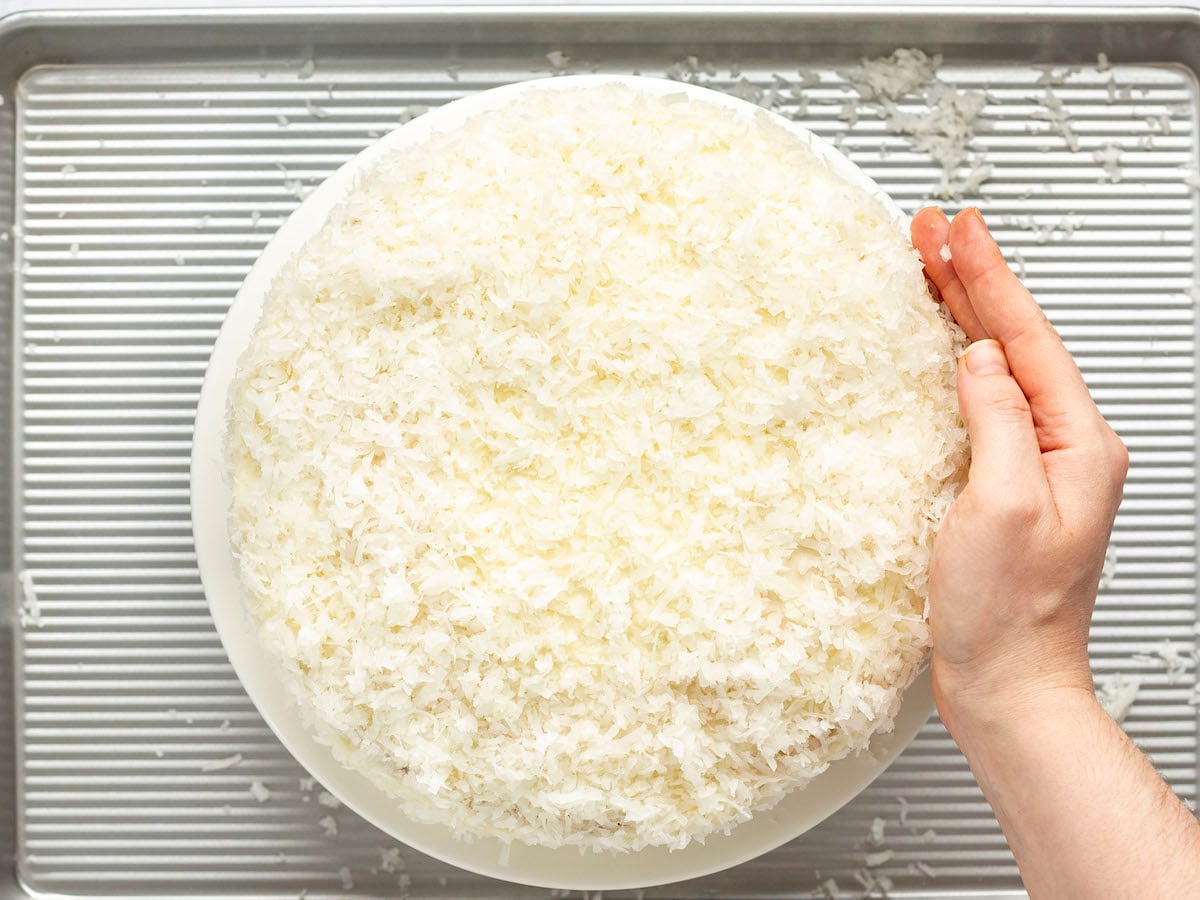
Assemble the cake: Once the layers are completely cool, place the first layer top side down on a serving plate and spread with frosting. Set the second layer on top, then frost the top and sides of the cake. Sprinkle coconut over the top and gently press more onto the sides.

Serve or store: For the best flavor and texture, serve the cake at room temperature. If it’s been refrigerated, take it out ahead of time so the cake can soften and the frosting can lose its chill. See the recipe card below for detailed make-ahead and storage instructions.
More Coconut Desserts You’ll Love
Coconut Cake

Ingredients
For the Cake
- ¾ cup canned unsweetened coconut milk
- 6 large egg whites, at room temperature
- 1 teaspoon vanilla extract
- 1 teaspoon coconut extract
- 2 cups all-purpose flour, spooned into measuring cup and leveled off
- 1½ cups sugar
- 2 teaspoons baking powder
- ½ teaspoon salt
- 12 tablespoons (1½ sticks) unsalted butter, at room temperature
For the Frosting
- 12 oz cream cheese, at room temperature
- 8 tablespoons (1 stick) unsalted butter, at room temperature
- 1 teaspoon vanilla extract
- ½ teaspoon coconut extract
- Pinch salt
- 4 cups confectioners’ sugar
- 1½ cups sweetened flaked coconut
Instructions
For the Cake
- Preheat the oven to 350°F (175°C) and set an oven rack in the middle position. Spray two 9-in (23-cm) round cake pans with nonstick spray with flour. Line the bottoms of the pans with parchment paper circles; lightly spray the parchment.
- In a large liquid measuring cup or bowl with a pouring spout, whisk together the coconut milk, egg whites, vanilla extract, and coconut extract.
- In the bowl of a stand mixer fitted with the paddle attachment or beaters, combine the flour, sugar, baking powder, and salt. Mix on low speed for about 30 seconds to combine. Add the butter and continue mixing on low until the mixture is crumbly and moistened, about 2 minutes. Add the coconut milk and egg white mixture in 3 separate additions, mixing on medium speed for about 2 minutes after each addition, scraping down the sides of the bowl as necessary.
- Divide the batter evenly between the prepared pans. Bake for 25 to 30 minutes, or until lightly golden and a cake tester inserted into the center comes out clean. Let cool in the pans on a rack for 15 minutes, then invert onto the rack to cool completely.
For the Frosting
- In the bowl of a stand mixer fitted with the paddle attachment or beaters, combine the cream cheese, butter, vanilla extract, coconut extract, and salt. Mix on low speed until combined, then increase the speed to medium-high and beat until aerated and light, about 2 minutes. Gradually add the confectioners’ sugar, mixing on low to combine. Once all of the sugar is mixed in, increase the speed to medium-high and beat until fluffy, about 1 minute.
- After the cake layers have completely cooled, assemble and frost the cake: place 1 layer on a flat serving plate, top side down, and spread with a third of the frosting. Place the second layer on top, top side up, and frost the top and sides with the remaining frosting. Sprinkle the top of the cake with coconut and lightly press more coconut onto the sides.
Notes
Nutrition Information
This website is written and produced for informational purposes only. I am not a certified nutritionist and the nutritional data on this site has not been evaluated or approved by a nutritionist or the Food and Drug Administration. Nutritional information is offered as a courtesy and should not be construed as a guarantee. The data is calculated through an online nutritional calculator, Edamam.com. Although I do my best to provide accurate nutritional information, these figures should be considered estimates only. Varying factors such as product types or brands purchased, natural fluctuations in fresh produce, and the way ingredients are processed change the effective nutritional information in any given recipe. Furthermore, different online calculators provide different results depending on their own nutrition fact sources and algorithms. To obtain the most accurate nutritional information in a given recipe, you should calculate the nutritional information with the actual ingredients used in your recipe, using your preferred nutrition calculator.
After years of success cooking and baking your recipes, I’m pretty sure you had some influence in my husband’s proposal 😁 we are still happily married and your recipes still bring a lot of love and joy!
This cake was a big hit, do a little happy dance hit!
I switched to a whipped cream frosting based on your watergate cake recipe, just a current craving, I’ve made several cakes with your cream cheese frostings and they are amazing.
On that note, your recipes are like a master class. The things I’ve learned from your detailed instructions and tips have allowed me to branch out and try my own twists, and it so fun, thank you.
If anyone else wants to try the whipped cream, it was 2 cups heavy cream, whipped approx. 2 minutes, add 3 Tbsp vanilla pudding mix, 3/4 cup powdered sugar 1/4 Tsp coconut extract, mix another minute or so.
Can I use a Bundt pan?
Hi Betsy, I don’t recommend a Bundt pan for this – the cake is a bit too delicate. Sorry!
Hello Jenn,
Myself and my daughters use your recipes quite often.
Silly question for you.
How do you go about baking a cake that isn’t dense but more light like a cake in a box you buy at the store.
Thank you,
Regina
Hi Regina, that’s not a silly question! There are two ways to get a lighter cake that more closely resembles a boxed cake mix. One is to use all egg whites, like in this birthday cake, and the other is to use the reverse creaming method, like I do in this cake.
Can I make this in a 9×13 pan?
Sure, Gerri, that would work. Enjoy!
Thanks so much! Love all your recipes. Love telling everyone about them!
Hi Jenn,
Love ALL your recipes. You are my go-to for every occasion!
I am planning to make this cake a day ahead. 2 questions:
1. Thoughts on slicing the two cakes in half to make a 4 layer cake? Or baking 1 more 9in cake to make it 3 layers. Just trying to achieve a slightly higher cake.
2. Is it okay to completely frost the cake and add the shredded coconut the day before and keep it in the fridge? Or do you recommend adding shredded coconut the day of?
Hi Jess, so glad you like the recipes! For the cake, you’ll achieve more height by making one more 9-inch layer. And it’s fine to frost the cake and add the shredded coconut a day ahead and refrigerate it. Just bring it to room temperature before serving.
I have a question about the Coconut Cake recipe (https://www.onceuponachef.com/recipes/coconut-cake.html). How can I adapt this recipe to make 12 cupcakes instead of a cake? Also, is it okay to reduce the sugar by 25%, and if so, how should I adjust the baking time and oven temperature? Finally, does using sweetened vs unsweetened shredded coconut change the crumb texture?
Hi Ava, instead of using this cake recipe, I’d suggest using my recipe for coconut cupcakes (you’ll need to cut the recipe in half because it makes 24 cupcakes). It’s okay to reduce the sugar by 25% without adjusting the baking time and temperature. Using unsweetened coconut will definitely make the cupcakes drier. For best results, I’d stick with sweetened.
I’d love guidance on adapting your Coconut Cake into 24 dairy-free cupcakes for a Saturday afternoon outdoor event at ~5,000 ft elevation. I plan to use coconut milk and oil (no butter/milk/cream), reduce sugar by ~25%, and bake in a standard muffin tin. Could you recommend oven temp and time? Also, what frosting holds up well in warm weather? And what make-ahead timeline do you suggest (2 days before, 1 day before, day-of), including storage/freezing tips?
Hi Alex, instead of using this recipe, I’d suggest my coconut cupcake recipe. The cupcakes call for coconut milk and butter. You can substitute solidified coconut oil for the butter, and can get away with reducing the sugar by 25%. The cupcakes can be made and frosted up to one day ahead and stored at room temperature in an airtight container. If you’d like, you can make and freeze the unfrosted cupcakes for up to three months.
You are my go-to guru for recipes! I’ve made this cake twice. The first time it was light, fluffy, perfect. Maybe beginner’s luck. The second time it was tasty, but dense and flat. I used “classic” coconut milk the first time and “simple” coconut milk (no guar gum) the second time. Could that have made the difference? I’ll definitely try it again. The flavor is fantastic!
Hi Melissa, thanks for your kind words – so glad you like the recipes! Sorry you had a problem with the cake this time around. Yes, I do think it was the coconut milk that had an impact. The guar gum in the regular coconut milk helps keep the fat and liquid uniformly blended, which produces a light, fluffy cake.
Do you think this recipe would work in a mold of a lamb lying down? My mother used to make a “lamb” cake for Easter covered with icing and coconut but I have lost the recipe and she is no longer around to make the cake. I love you recipes and often try a variety of different ones.
Hi Valerie, that sounds sweet, but I think this cake would be too delicate for that – I’m sorry!
I love your recipies! Could this be made gluten free? If so what flour would you suggest I use?
Hi Molly, I haven’t tried this with gluten-free flour, but I think it should work. I know a lot of readers have had great luck with Cup4Cup and King Arthur’s Measure for Measure flour. Please LMK how it turns out if you try it!