


This post may contain affiliate links. Read my full disclosure policy.
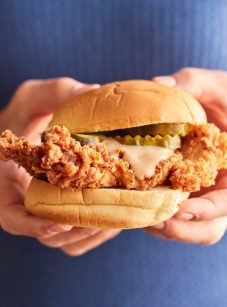
This fried chicken tenders recipe has everything you want: a crispy, craggy crust with juicy, tender chicken underneath.
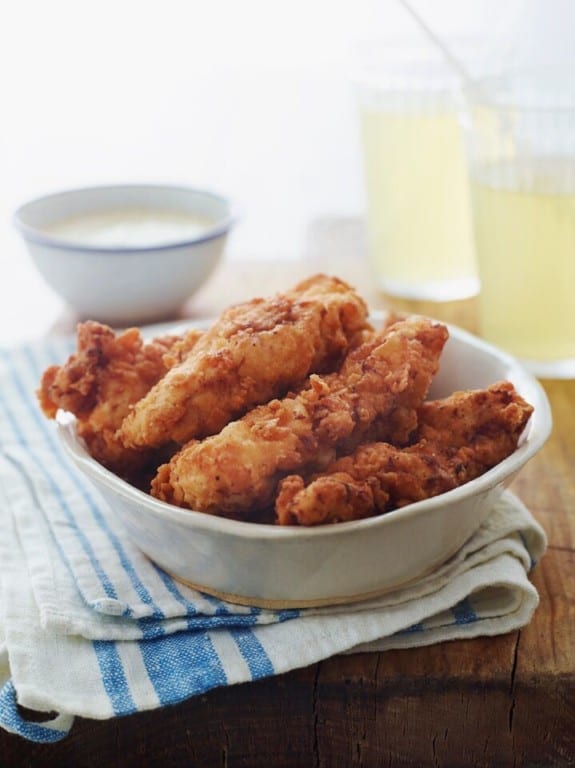
Photo by Alexandra Grablewski (Chronicle Books, 2018)
When my daughter was little, she was a champion picky eater, and unsurprisingly, chicken tenders were always at the top of her very short list of acceptable foods. Needless to say, I made them a lot! These fried chicken tenders became a family favorite, and while her list has most definitely expanded, she still loves them today. We all do.
The secret is in the coating: I mix a little buttermilk into the seasoned flour to create small clumps, which cling to the chicken and fry up into all those crunchy, craggy bits. The chicken gets a long soak in seasoned buttermilk first, so it stays tender and flavorful beneath that crisp crust.
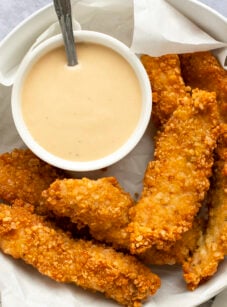
Serve the tenders with honey mustard sauce, BBQ sauce or ranch dressing for dipping—or add them to a salad.
“This is THE BEST fried chicken tender recipe that you will find. It comes out perfectly every single time! And the honey mustard sauce is beyond yummy.”
What You’ll Need To Make Buttermilk Fried Chicken Tenders
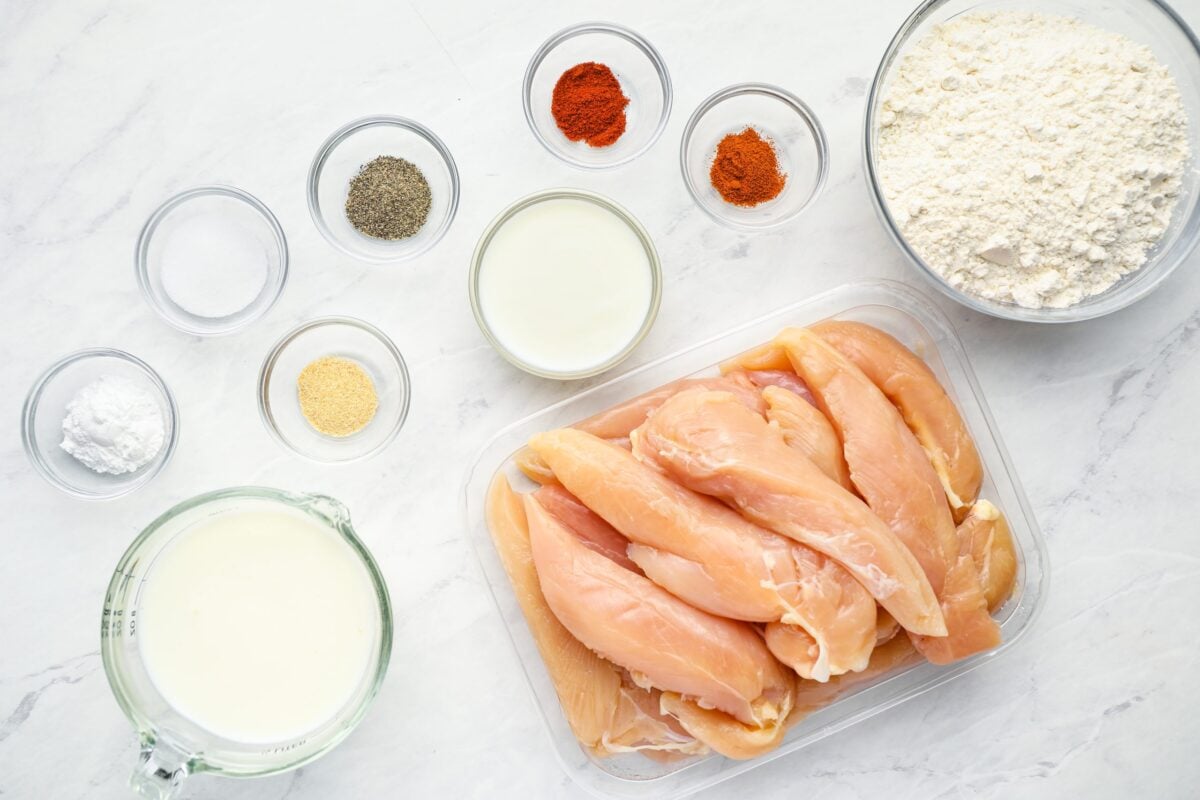
- Chicken tenderloins: Naturally tender and just the right size for frying. If the white tendon sticks out from the end, you can snip it off or trim it flush with the meat.
- Buttermilk: Tenderizes the chicken and adds a subtle tang. You’ll also use a little in the breading to create the craggy bits that get extra-crispy when fried.
- Paprika, garlic powder, cayenne, salt, and pepper: Season both the chicken and the breading so the tenders are flavorful throughout.
- Flour and baking powder: Form the crisp, golden coating. The baking powder helps give the crust a lighter, crunchier texture.
- Vegetable oil: A neutral oil that works well for frying at high heat.
- Jump to the printable recipe for precise measurements
How To Make Fried Chicken Tenders
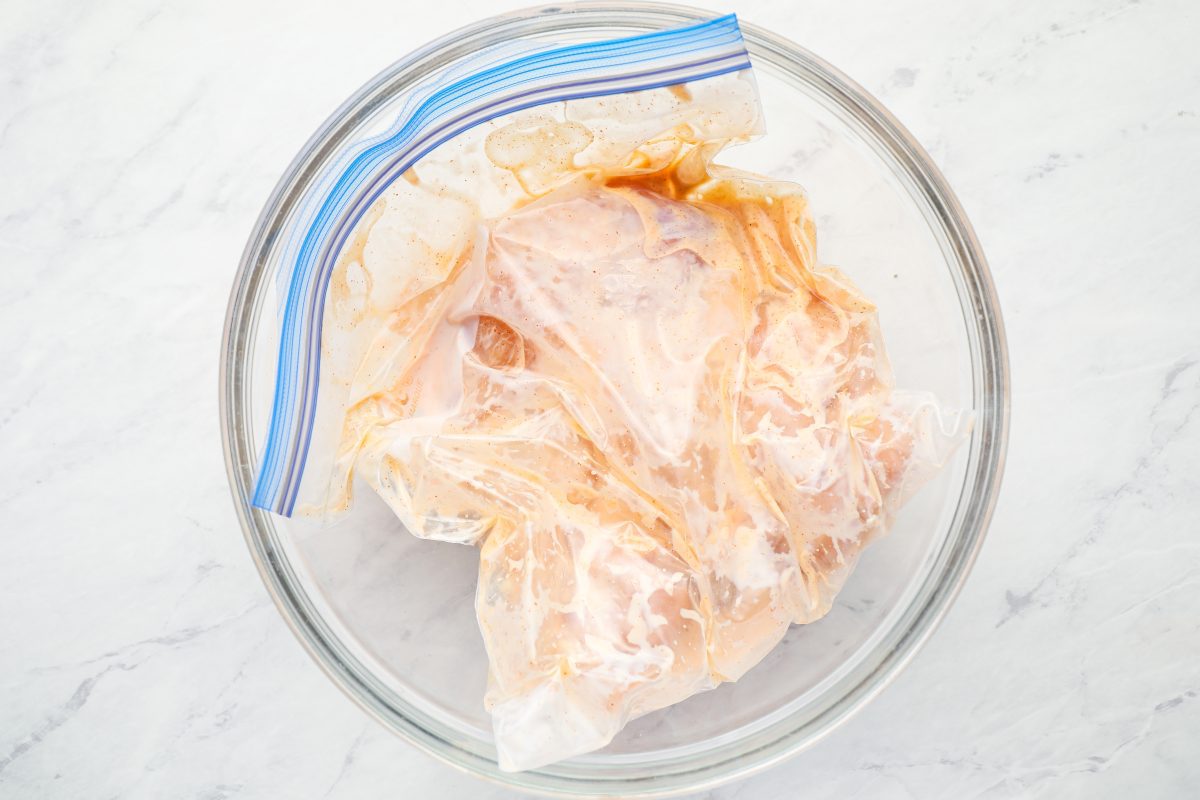
Marinate the chicken: Combine the buttermilk with the seasonings, then add the chicken and toss to coat. Cover and refrigerate for at least 4 hours or up to a day—the longer it sits, the more flavorful the chicken will be.
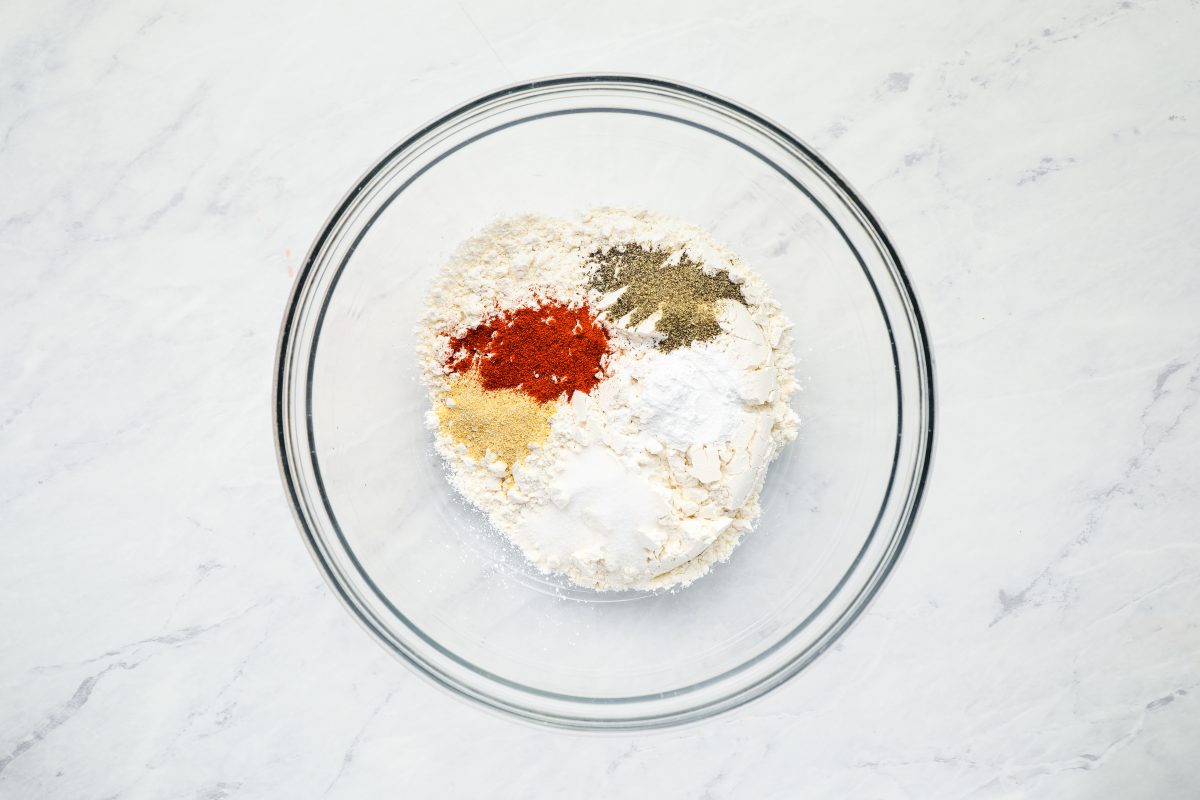
Make the breading: Whisk together the flour, baking powder, and seasonings. Drizzle in a little buttermilk and stir with a fork until small clumps form throughout. These are what create all those crunchy, craggy bits when the chicken fries.
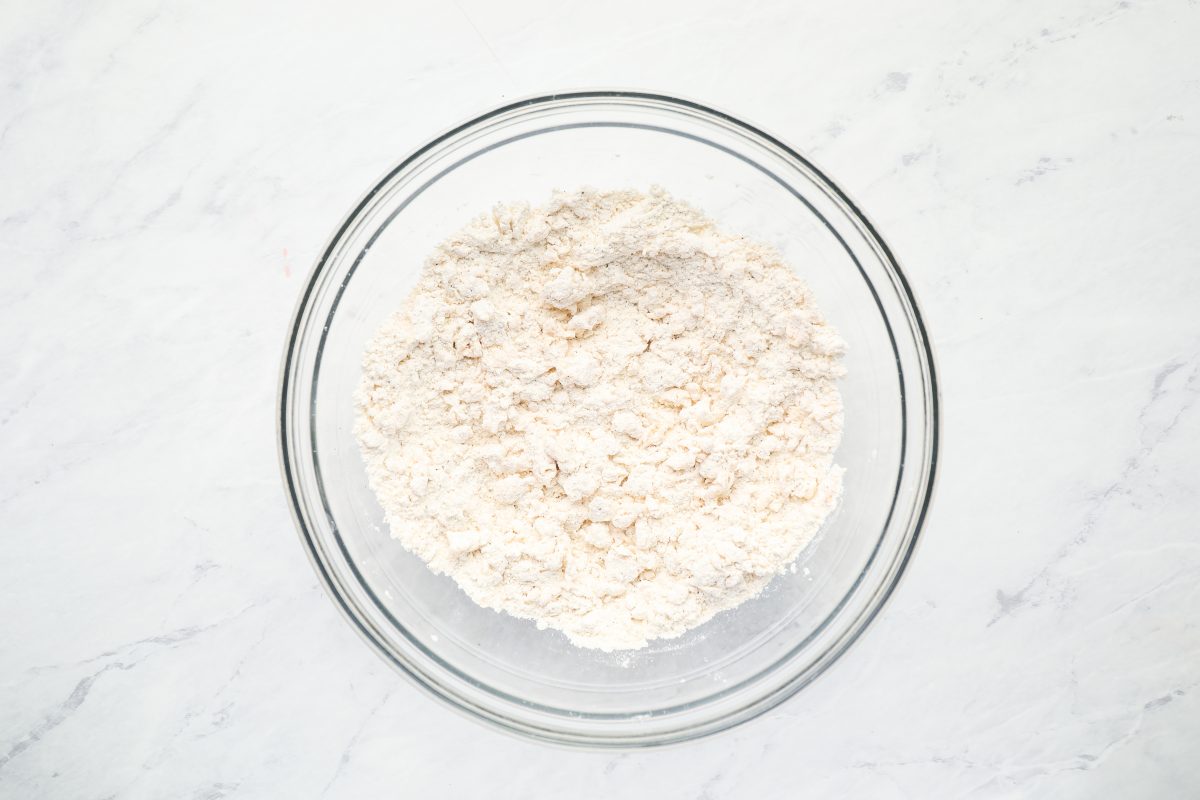
Coat the chicken: Working one piece at a time, lift the chicken from the marinade and press it firmly into the flour mixture so the coating really adheres. Using one hand for the wet chicken and the other for the flour helps keep things from getting too messy.
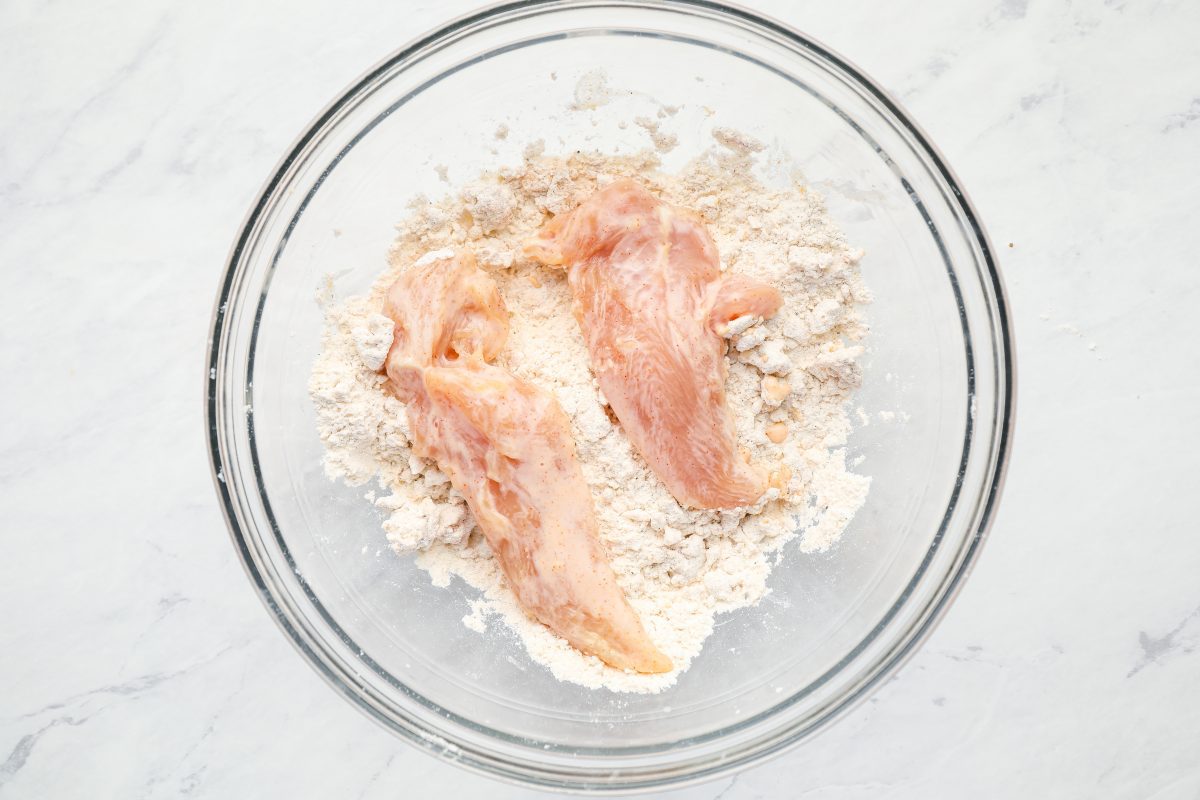
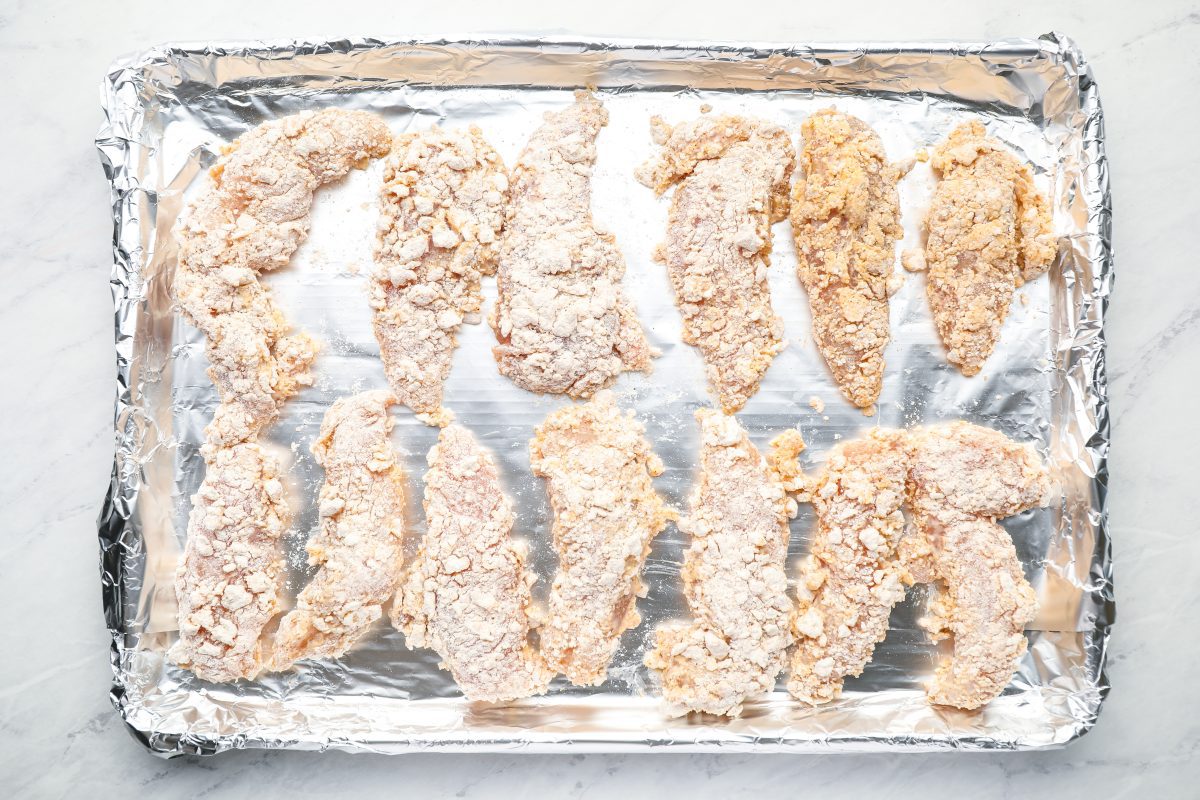
Fry the chicken: Heat the oil to 350°F. Fry the tenders in batches, without crowding the pan, until they’re crisp and golden brown and the chicken is cooked through. Keep an eye on the oil temperature as you go and adjust the heat as needed.
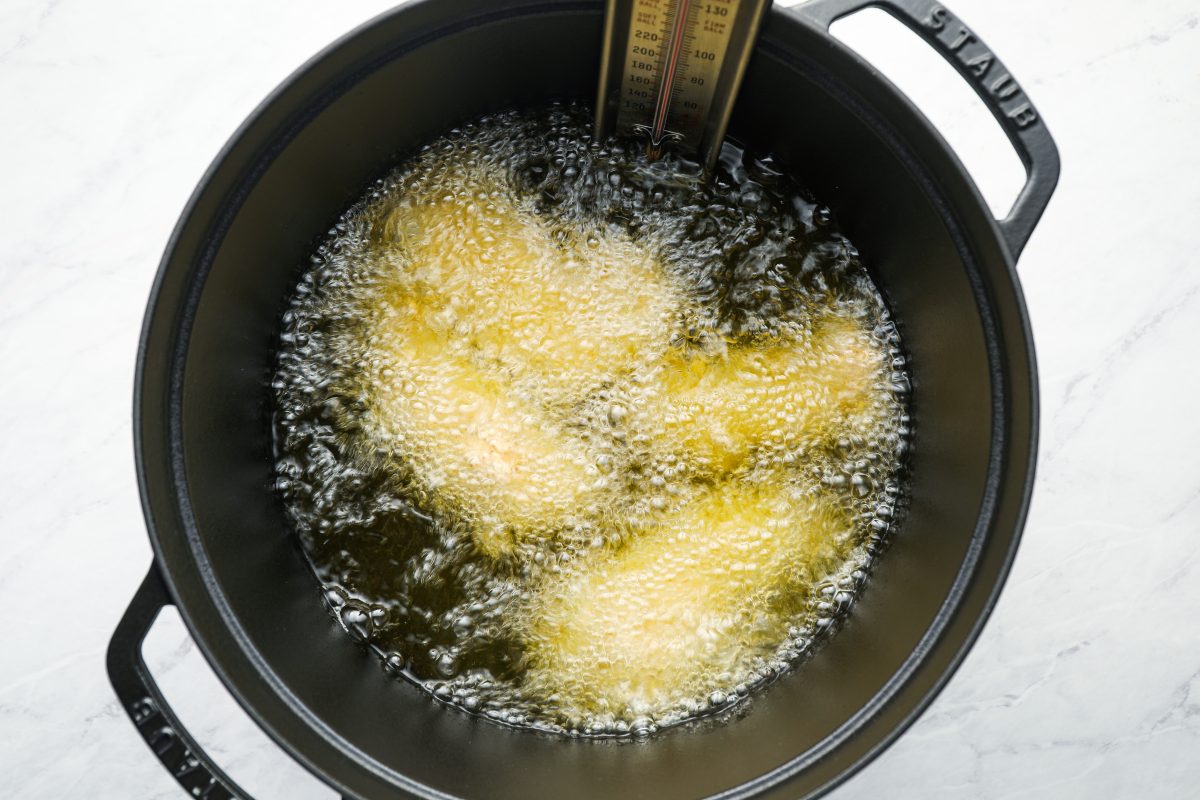
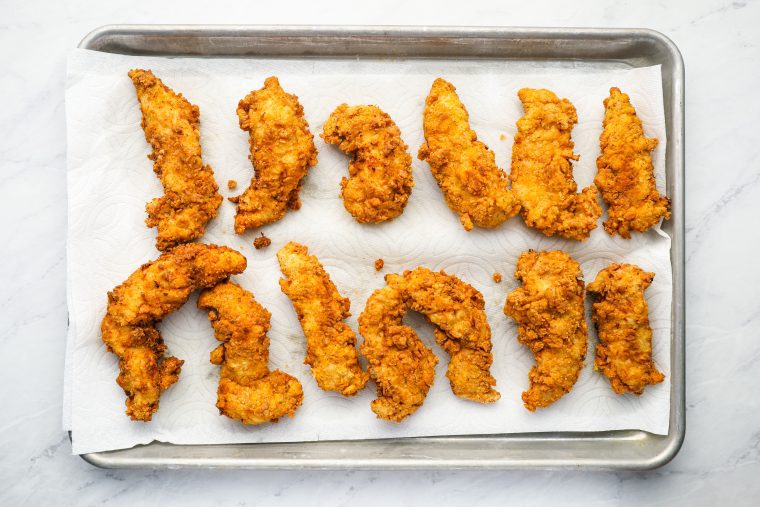
Drain and serve: Transfer the tenders to a paper towel-lined plate to drain. Keep in mind that fried chicken looks lighter while it’s submerged in the oil, so lift a piece out if you want to check its true color. Serve hot with your favorite dipping sauce.
Storage, Freezing & Reheating
To Store: Let the cooked chicken tenders cool completely, then refrigerate in an airtight container for 3 to 4 days.
To Freeze: Let the tenders cool completely, then freeze in an airtight container or freezer-safe bag for up to 3 months. For best results, freeze them in a single layer before transferring to a container so they don’t stick together.
To Reheat: For refrigerated tenders, place them on a wire rack set over a rimmed baking sheet and warm in a 350°F (175°C) oven until heated through and crisp, about 10 to 15 minutes. For frozen tenders, use the same method but increase the time to about 25 minutes, flipping halfway through.
Video Tutorial
Buttermilk Fried Chicken Tenders

Ingredients
For the Marinade
- 2 pounds chicken tenderloins
- 1 cup buttermilk
- 1½ teaspoons salt
- ¼ teaspoon cayenne pepper
- ¼ teaspoon garlic powder
- ¼ teaspoon paprika
For the Breading
- 1½ cups all-purpose flour
- 1½ teaspoons baking powder
- 1 heaping teaspoon salt
- ¾ teaspoon freshly ground black pepper
- ¾ teaspoon garlic powder
- ¾ teaspoon paprika
- 3 tablespoons buttermilk
For Cooking
- 3 to 4 cups vegetable oil, for cooking
Instructions
- Marinate the chicken: In a large sealable bag, combine the chicken tenders with the marinade ingredients. Seal the bag tightly and massage the chicken until it is evenly coated with buttermilk and seasoning.
- Place in a bowl (in case of leakage) and refrigerate for at least 4 hours or up to 24 hours.
- Make the breading: In a large bowl, combine the flour, baking powder, salt, pepper, garlic powder, and paprika. Whisk until well blended, then add the buttermilk and stir with a fork until the mixture is evenly clumpy.
- Line a baking sheet with aluminum foil for easy cleanup. Remove the chicken tenders from the marinade a few at a time and toss into the breading mixture. Press the chicken firmly into the breading so clumps adhere to the meat. Set the breaded tenders on the prepared baking sheet.
- Fry the chicken: Line another baking sheet with a few layers of paper towels and set next to the stove. Add oil to a large, high-sided pot until the level reaches about ¾-inch (2-cm). Heat over medium-high heat until oil is shimmering (about 350°/175°C). (If a cube of bread sizzles when you drop it in, it's ready.)
- Using tongs, place several chicken tenders in the hot oil without crowding the pan. Cook until golden brown on the bottom side, a few minutes, then flip and cook until the second side is also golden, a few minutes more.
- Set the cooked tenders on the paper towel-lined baking sheet to drain. Fry the remaining tenders in batches, adjusting the heat as necessary (if the tenders are browning too fast, lower the heat). Serve hot.
Notes
- When breading the tenders, use one hand to remove the wet tenders from the bag and the other to toss in the breading.
- I find that it’s hard to tell how golden the chicken is when it’s immersed in the oil. It may only look lightly golden, but it’s actually a perfect fried chicken golden brown. If you’re unsure, simply pull a tender out of the oil and rest it on the paper towels to see the true color.
- Nutritional information was calculated assuming that approximately ¼ cup of the oil is absorbed into the chicken tenders when frying.
Pair with
Nutrition Information
This website is written and produced for informational purposes only. I am not a certified nutritionist and the nutritional data on this site has not been evaluated or approved by a nutritionist or the Food and Drug Administration. Nutritional information is offered as a courtesy and should not be construed as a guarantee. The data is calculated through an online nutritional calculator, Edamam.com. Although I do my best to provide accurate nutritional information, these figures should be considered estimates only. Varying factors such as product types or brands purchased, natural fluctuations in fresh produce, and the way ingredients are processed change the effective nutritional information in any given recipe. Furthermore, different online calculators provide different results depending on their own nutrition fact sources and algorithms. To obtain the most accurate nutritional information in a given recipe, you should calculate the nutritional information with the actual ingredients used in your recipe, using your preferred nutrition calculator.
See more recipes:
What to Serve with Chicken Tenders
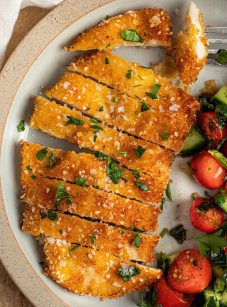
Chicken tenders go with just about any side dish. For a classic comfort-food meal, serve them with my mac and cheese or mashed sweet potatoes. For something cool and crunchy, my coleslaw is a perfect match, while roasted Brussels sprouts make a delicious vegetable side. You can also slice the tenders and add them to my Cobb salad for a hearty, satisfying meal.
I’m definitely not a cook, but every recipe of yours that I’ve tried has been well received. I just want to be certain I have the instructions right because I’m such a novice that I have zero creativity. This recipe calls for a pot and not a skillet, is that right? I feel stupid for asking, but I have zero confidence when cooking.
So glad you’ve had success with the recipes and you’re not asking a silly question. Yes, you should use a pot for this. If you use something too shallow (like a skillet) the oil will make a mess. Hope that helps and that you enjoy!
Excellent recipe! I used boneless breast of chicken, cut into tenders myself. Due to lack of time marinated in buttermilk mixture for about 5 hrs. I did not add buttermilk to dredge. Chicken fried beautifully. I did use my instant read thermometer to be sure the chicken temp was sufficient. Served with cornmeal waffles & maple syrup truly amazing & will be repeated, so happy!
Hi Jenn,
Will this recipe work for frying a whole chicken in a deep fryer? These are the best chicken tenders ever, by the way. Thank you!
Vicki
So glad you like these but, unfortunately, I don’t think this would work for a whole chicken — sorry!
No apologies necessary, thanks for your reply! 🙂
This has become one of our top favorite dinners! Thank you so much.
These tenders turned out so delicious! I ended up cooking them in the air fryer because my husband cannot do greasy food and they turned out so great! Thank you so much for the recipe!
Any air fryer tips you can provide? I came here looking to see if anyone had luck. Thank you!
These turned out great! Love marinating them makes them taste better as well as makes them easy to prepare since so much of the prep is done. Have a question Jenn, have made them a few times always great, but the last time the breading didn’t stick well once fried. Did I make the breading too moist?
Thanks!
Hi Sarah, Glad you like these! If the breading didn’t stick this time, it’s likely that your oil wasn’t hot enough. A good way to ensure the oil is hot enough is to drop a cube of bread into the oil; if it sizzles when you drop it in, it’s ready. Hope that helps!
I have been brining my chicken in Buttermilk for almost 20 years. I also use Self Rising Flour vs regular Flour so nothing else is needed. I got that tip from my mother that’s a retired cook. She’s now in her 80’s. I have never added buttermilk to the flour before frying. I will try it.
Thanks Jen! You’re the best, and your recipes are top notch.
What a great recipe! I had not seen one that added buttermilk or baking powder to the flour coating and what a difference that makes in the texture! It looks like genuine fried chicken with the craggy crispy batter. I used cake & pastry flour accidentally but it was fine. It’s now my go-to recipe for chicken tenders. Thank you!!!
This recipe made me follow Jenn Segal! There is a place in Cambridge, Massachusetts that is famous for their tenders and these are almost identical to their tenders. Segal’s honey mustard recipe is also a five star recipe. Thank you for sharing.
This recipe is amazing! The chicken tastes so juicy after a buttermilk marinade. I’ve made this “as is”, but I’ve also added pickle juice & hot sauce to the marinade, switched up the spices, made popcorn style chicken instead of tenders, etc. You can’t go wrong and I found the fundamentals of this recipe + pictures really helpful.