
Hummus

This post may contain affiliate links. Read my full disclosure policy.
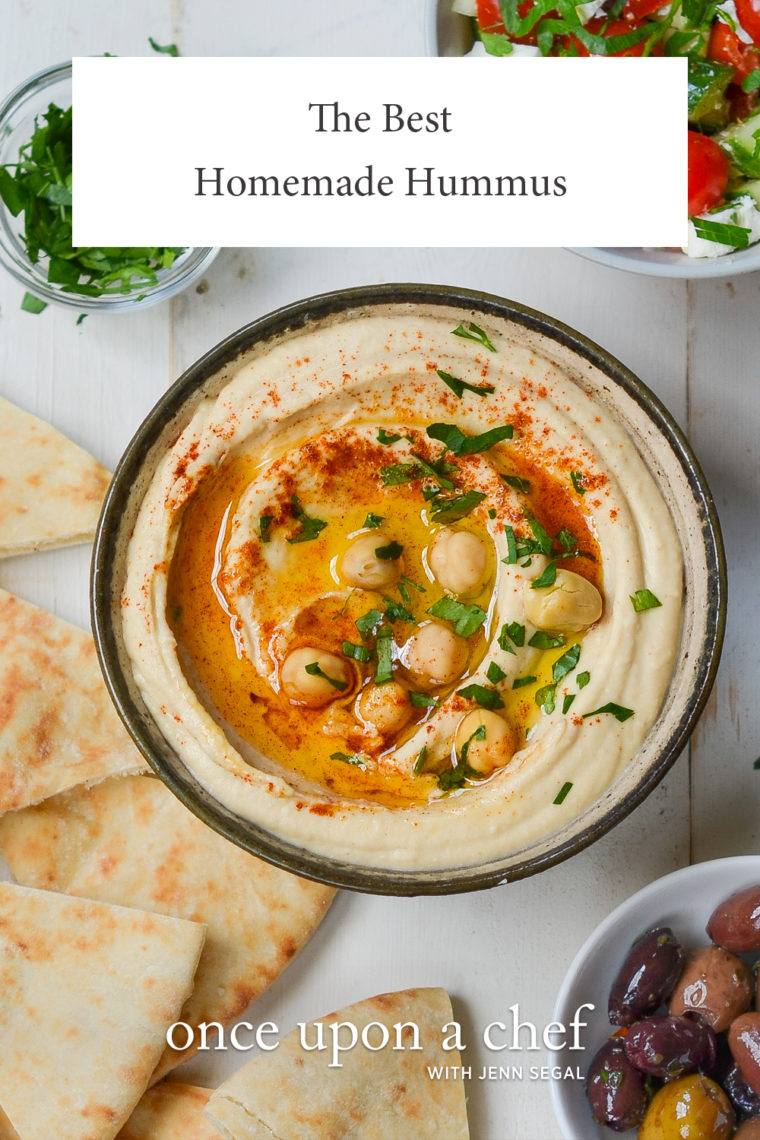
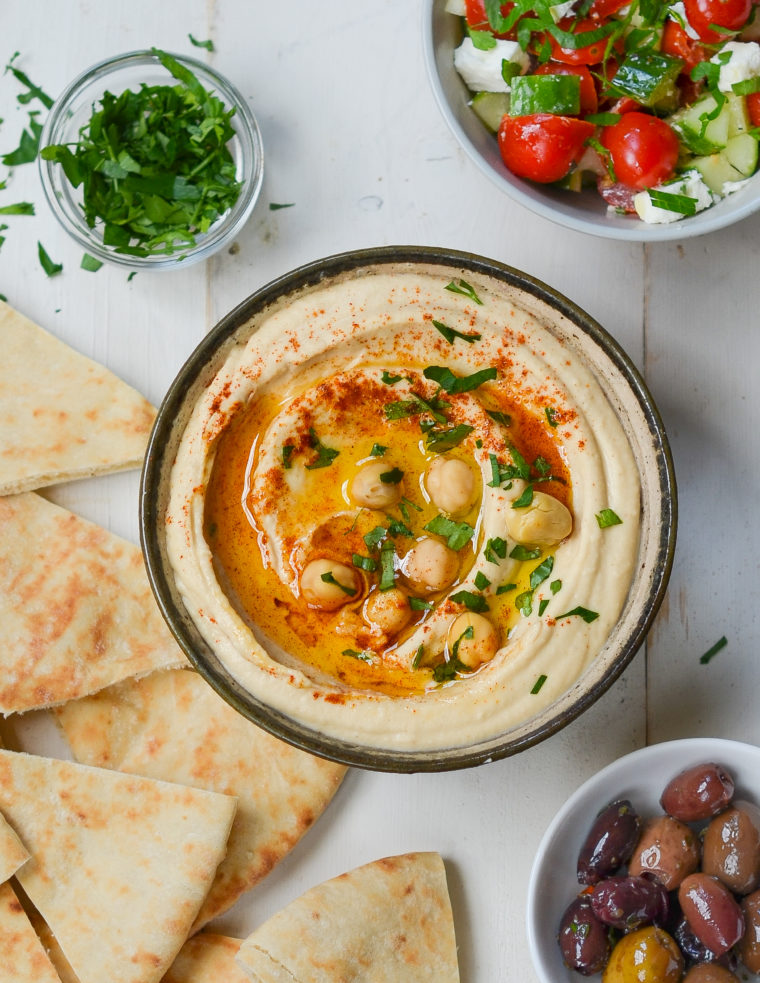
Smooth and creamy with just the right balance of tahini, lemon, and garlic, this is my go-to hummus recipe—without any soaking, peeling, or other fussy steps.
I first traveled to Israel in college, and I’ve been lucky enough to return a few times since. Hummus is practically its own food group there, and on one of my trips, I was fortunate enough to learn this recipe from a kabob maker in the Old City of Jerusalem. It’s been my go-to ever since.
A staple throughout the Middle East, hummus is a simple blend of chickpeas, tahini, lemon, and garlic, but getting the texture and balance just right makes all the difference. Many recipes call for starting with dried chickpeas or peeling them one by one, but after trying those methods myself, I don’t think the extra work is necessary. Canned chickpeas and a few minutes in the food processor give you wonderfully smooth, creamy hummus with a fraction of the effort.
“This hummus recipe is FANTASTIC — the best I have ever had — and also ridiculously easy to make. No more store-bought hummus for me!”
What You’ll Need To Make Hummus
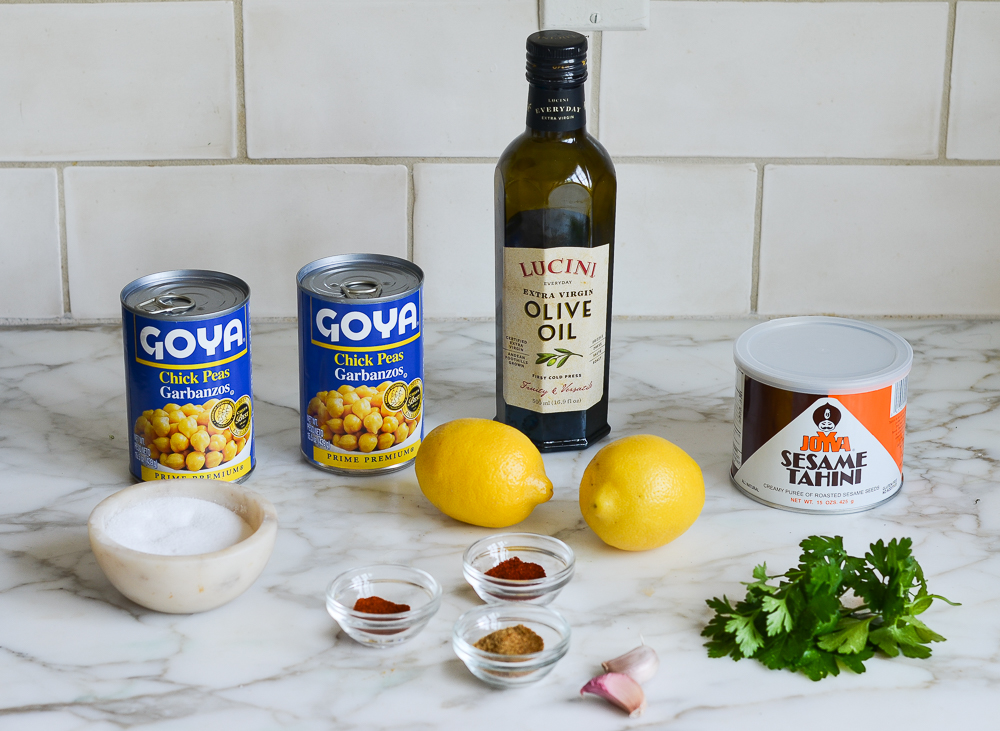
- Chickpeas: Canned chickpeas make this recipe quick and easy, and after experimenting with dried chickpeas, I’ve found the difference in the finished hummus is minimal. Be sure to reserve some of the liquid from the can—you’ll use it to adjust the consistency. If you prefer to start with dried chickpeas, cook them until very tender and use some of the cooking liquid in place of the reserved canning liquid.
- Tahini: This sesame paste gives hummus its distinctive nutty flavor and creamy texture. Tahini naturally separates in the jar, so give it a good stir before measuring.
- Fresh lemon juice: Adds brightness and acidity, balancing the richness of the tahini and olive oil. Freshly squeezed makes a noticeable difference here.
- Garlic: A small amount goes a long way in hummus. Since it’s added raw, its flavor will be quite pronounced, so I wouldn’t be tempted to add extra.
- Extra-virgin olive oil: Adds richness and helps give the hummus a smooth, luscious texture. I also like to drizzle a little over the top for serving.
- Cumin & cayenne: Cumin adds earthy warmth, while a pinch of cayenne gives the hummus a subtle kick without making it spicy.
- Paprika: Adds a pop of color and a subtle, smoky flavor. If you’re looking to switch things up, try sumac or za’atar instead. Sumac is a tangy, lemony spice; za’atar is a spice blend that typically includes thyme, sesame seeds, sumac, and salt.
- Jump to the printable recipe for precise measurements
How To Make Hummus
Drain the chickpeas, then combine them in a food processor with the remaining ingredients and process until smooth and creamy. Let the machine run for several minutes—the extra processing time makes a noticeable difference in the texture.
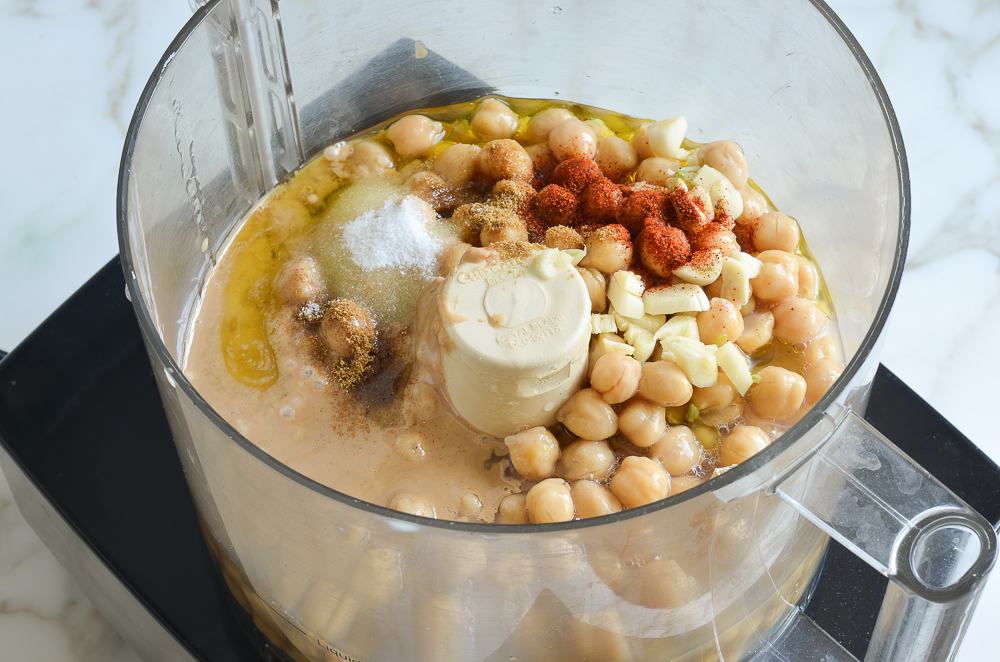
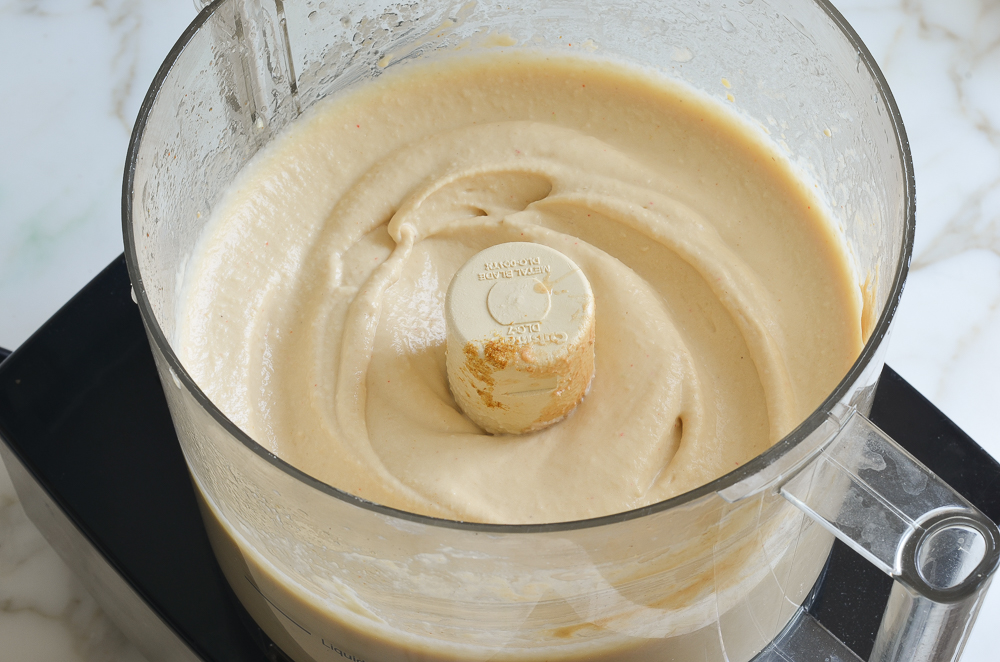
No food processor? A high-powered blender works well, though you may need a little extra chickpea liquid to keep everything moving.
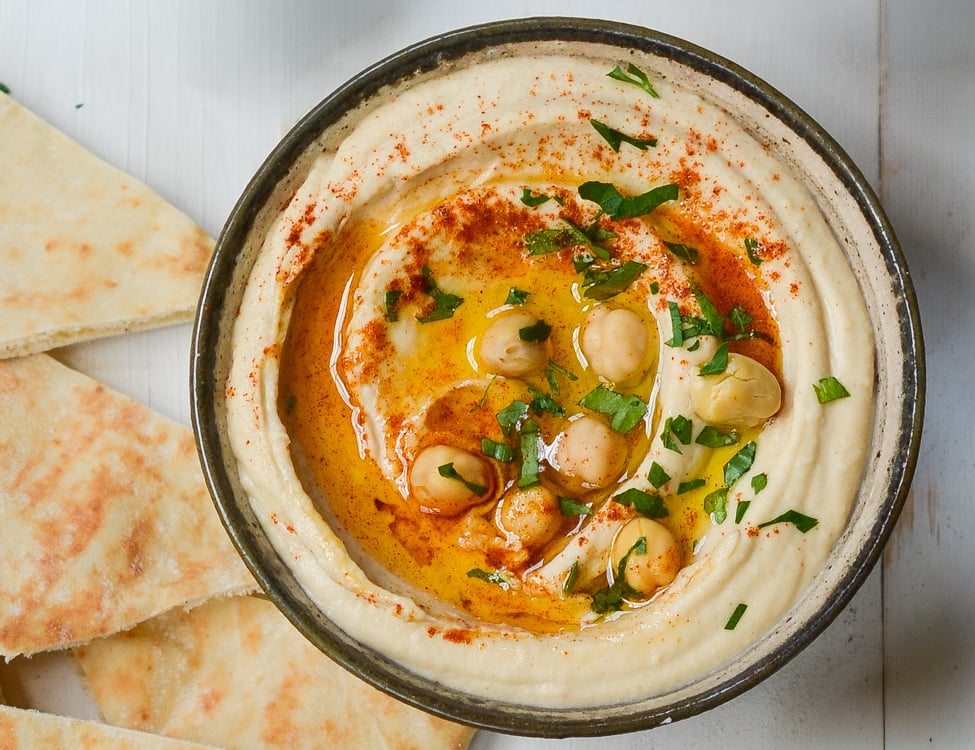
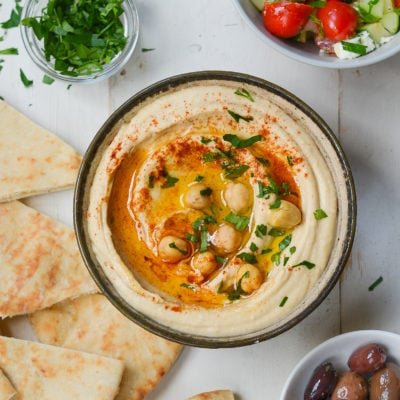
Spoon the hummus into a serving bowl and use the back of a spoon to make a few swirls on top. Drizzle with olive oil and garnish with a few chickpeas and a sprinkle of paprika or fresh parsley. Enjoy!
Once you’ve got the classic down, try my roasted red pepper hummus—it’s just as easy and adds a sweet, smoky twist to the original.
Hummus
Ingredients
- 2 (15½ oz) cans chickpeas
- ¼ cup freshly squeezed lemon juice, from 2 lemons
- ¼ cup sesame tahini, well stirred (preferably Joyva Sesame Tahini)
- 2 small cloves garlic, roughly chopped
- Heaping ¼ teaspoon cumin
- ⅛ teaspoon cayenne pepper
- 1 teaspoon salt
- 3 tablespoons extra-virgin olive oil, plus more for drizzling
- 1 tablespoon freshly chopped parsley, for serving (optional)
- Paprika for serving (optional)
Instructions
- Reserving the liquid from the cans, drain the chickpeas in a colander (no need to rinse them). Set a few chickpeas aside for garnishing the hummus.
- In the bowl of a food processor fitted with metal blade, combine the chickpeas, lemon juice, tahini, garlic, cumin, cayenne pepper, salt, olive oil, and ⅓ cup of the reserved canning liquid. Process for several minutes until smooth and creamy. The hummus should hold its shape when you drag a spoon through it; add more liquid and process again if it seems too thick. Taste and adjust seasoning, if necessary.
- Transfer the hummus to a serving bowl. Use the back of a spoon to swirl a shallow well in the center. Drizzle a little olive oil in the well; sprinkle with parsley and paprika, then garnish with the reserved chickpeas. Serve at room temperature with pita bread, pita chips or crudités.
Notes
Nutrition Information
This website is written and produced for informational purposes only. I am not a certified nutritionist and the nutritional data on this site has not been evaluated or approved by a nutritionist or the Food and Drug Administration. Nutritional information is offered as a courtesy and should not be construed as a guarantee. The data is calculated through an online nutritional calculator, Edamam.com. Although I do my best to provide accurate nutritional information, these figures should be considered estimates only. Varying factors such as product types or brands purchased, natural fluctuations in fresh produce, and the way ingredients are processed change the effective nutritional information in any given recipe. Furthermore, different online calculators provide different results depending on their own nutrition fact sources and algorithms. To obtain the most accurate nutritional information in a given recipe, you should calculate the nutritional information with the actual ingredients used in your recipe, using your preferred nutrition calculator.
Gluten-Free Adaptable Note
To the best of my knowledge, all of the ingredients used in this recipe are gluten-free or widely available in gluten-free versions. There is hidden gluten in many foods; if you're following a gluten-free diet or cooking for someone with gluten allergies, always read the labels of your ingredients to verify that they are gluten-free.
Question. Can I freeze unused hummus?
Hi Carol, I’ve never frozen hummus. I googled it and it appears that it can be frozen. Here are some tips that may help.
This is my first recipe review. Your hummus is leagues above store bought….and easy!
Thank u, Jenn. I have ur cookbook. Your recipes never disappoint😁
This recipe is so easy and so good.
Thanks.
I can’t believe I’ve never made this before! This recipe is so simple yet it’s absolutely delicious. I’m never buying store bought again. Every recipe I have tried from this site has been great!
I’ve tried several recipes, and could never get the right texture. This is the best. It has a nice, creamy texture. I do add extra lemon juice, cumin and cayenne to taste because we favor food on the spicy side. In a pinch I’ve used bottled lemon juice with no complaints. Still the best.
Hi
Would you have a video on how to make ur hummus?
Thanks
Pearl
I’m sorry Pearl, but I don’t. You can find the handful of recipe videos I have here. Sorry I can’t be more helpful!
My niece loves hummus but is allergic to olives. She cannot tolerate olive oil. Do you know of an alternative to olive oil used in the recipe. Is there a better alternative to soy bean oil found in store brought hummus that would be available to home cooks? Is the oil stirred into the hummus or can it simply be eliminated?
Hi Anne, you can just use vegetable oil here (and I probably wouldn’t bother to drizzle any oil on top of the finished hummus). Hope you (and your niece) enjoy! 🙂
I am never looking for another hummus recipe again- this is perfect. Thank you Jenn!
wow this is great for a healthy child snack 🙂 +!+
What quantity of dried beans should I use, as I don’t like using canned beans? Loved this recipe.
Hi Sam, from what I read, it sounds like you’d need to start with about 2 cups of dried beans. That may leave you with a bit more than you need once they’re cooked. (If you do end up with some extra, they’ll last nicely in the fridge for up to two days.) Hope that helps!