

This post may contain affiliate links. Read my full disclosure policy.
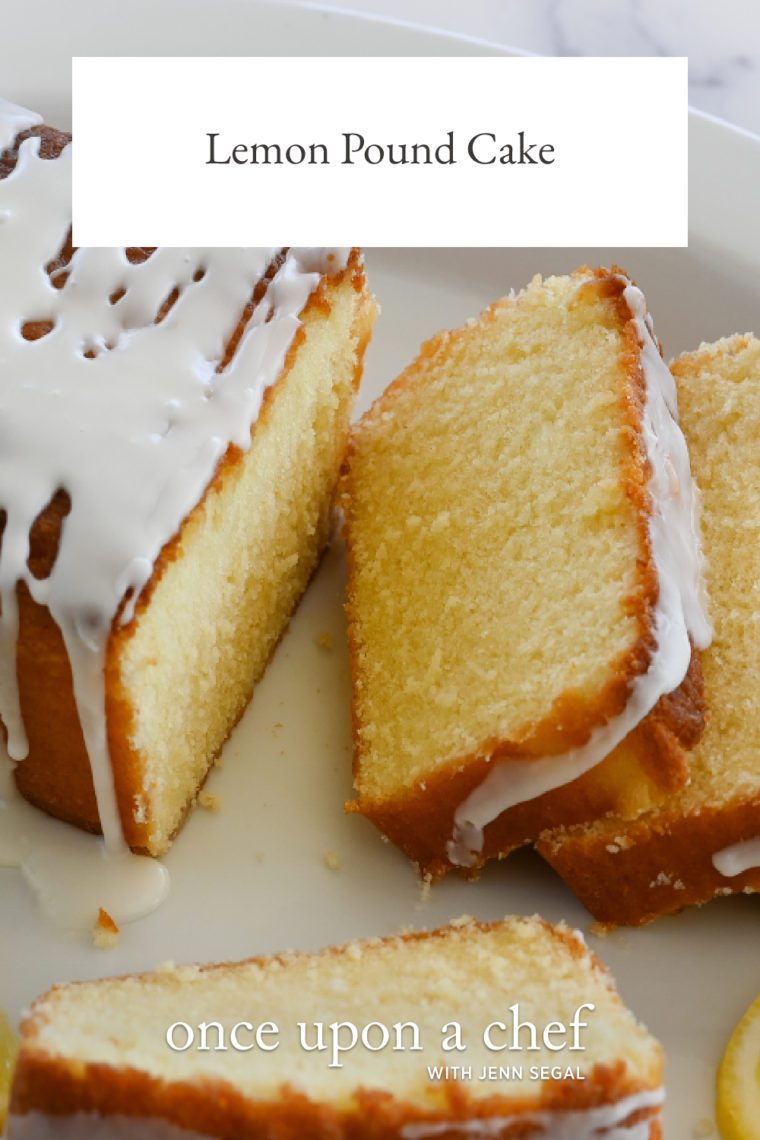
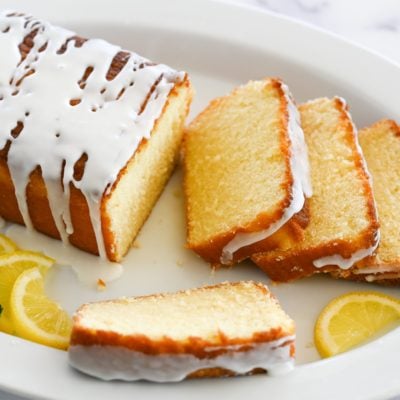
This lemon pound cake is a lemon lover’s dream: soft, buttery, and soaked in citrusy syrup with a bright, tangy glaze on top. Make one for now and stash the second in the freezer—you’ll be glad you did.
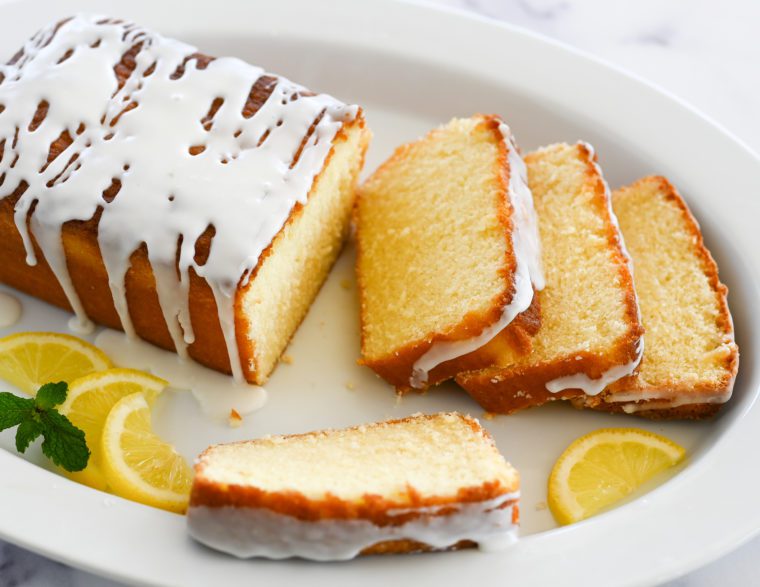
Calling all lemon lovers! This lemon pound cake recipe is made just for you. The recipe incorporates both fresh lemon juice and lemon zest into the cake batter, giving the cake a bright, fresh flavor. But the real magic happens after baking—it gets soaked with lemon syrup and finished with a tart lemon glaze, so every bite is packed with intense lemony goodness.
The recipe yields two ultra-moist loaves that stay fresh for days on the countertop or can be frozen for later. If you’d like to switch things up, try my classic pound cake and popular lemon poppyseed cake and lemon blueberry pound cake variations. A big thank you to Karen Tannenbaum, one of my longtime readers, for inspiring this wonderful recipe!
“I had fresh lemons to use up, so gave this a whirl. The texture, flavor, and, well, everything, was spot on. I keep stealing little slices each time I walk by!”
What You’ll Need To Make Lemon Pound Cake
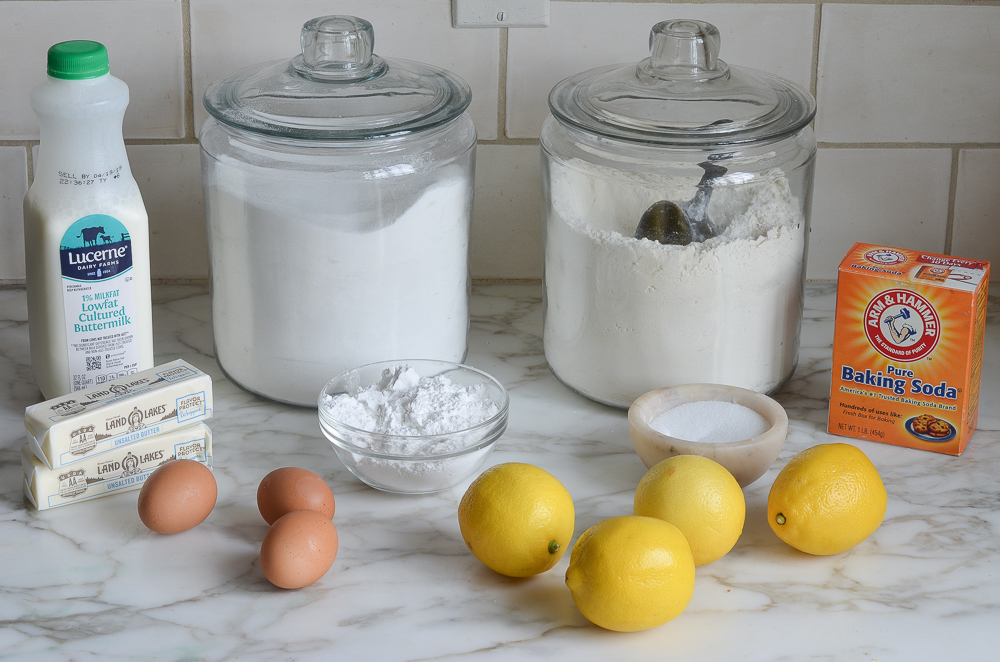
- All-Purpose Flour: Forms the base of the batter and gives the cake structure. Be sure to spoon and level for an accurate measure; excess flour can make the cake dry.
- Baking Soda: Helps the cake rise for a light, tender crumb.
- Buttermilk: Adds moisture and tenderness to the cake.
- Lemon Zest And Lemon Juice: Team up to give the cake its bright, citrusy flavor—the zest brings the fragrant oils, and the juice adds tang. Be sure to zest the lemons before juicing (it’s almost impossible after!). A rasp grater works best, and avoid the bitter white pith under the skin.
- Unsalted Butter: Adds rich flavor and gives the cake its classic pound cake texture—soft, dense, and buttery. Remember to remove the butter from the fridge and bring it to room temperature; you’ll know it’s soft enough when you can press it with a finger and leave a slight indent.
- Granulated Sugar: Sweetens the batter and syrup and also gives the cake a moist texture.
- Large Eggs: Add richness, moisture, and structure.
- Confectioners’ Sugar: Used to make the sweet glaze that gets drizzled over the cake.
- Jump to the printable recipe for precise measurements
STEP-BY-STEP INSTRUCTIONS
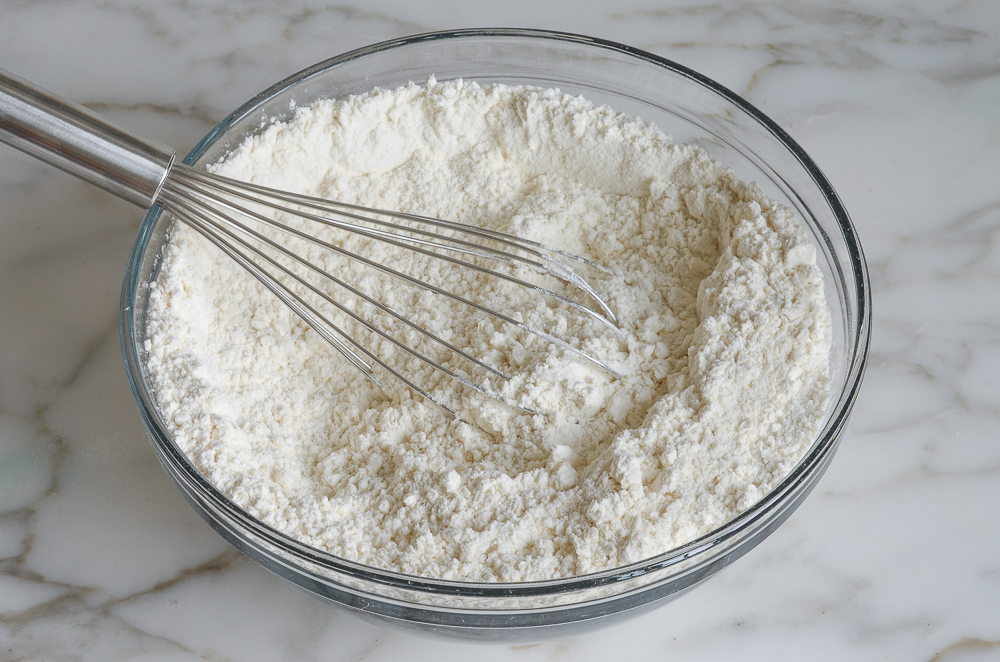
Step 1: Mix the dry ingredients. In a medium bowl, combine the flour, salt, and baking soda. Whisk until evenly combined.
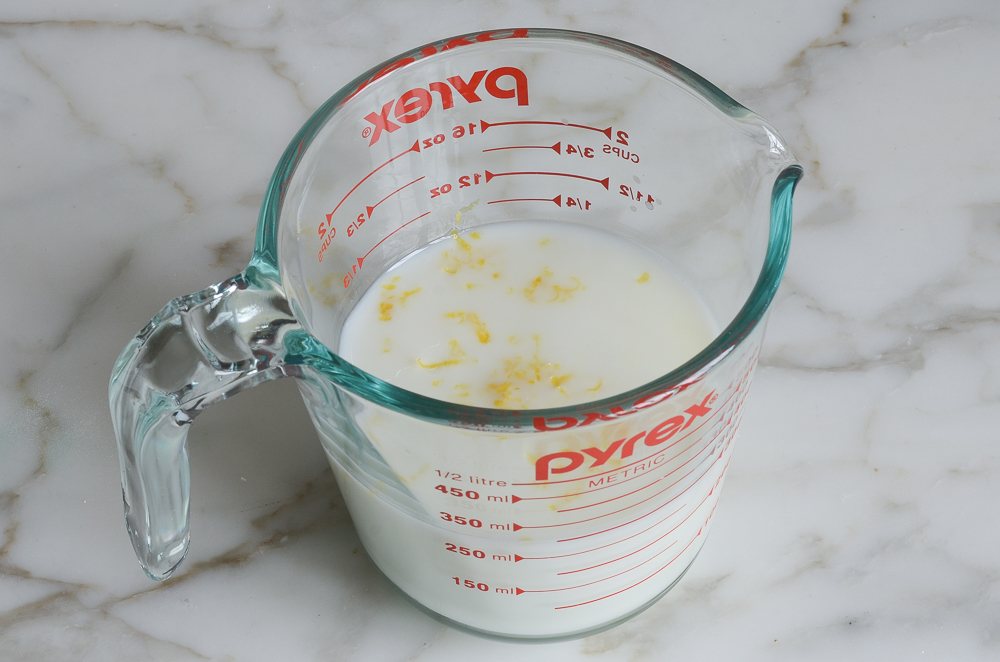
Step 2: Mix the buttermilk and lemon. In another bowl or liquid measuring cup, whisk the buttermilk with the lemon zest and lemon juice. Set it aside.
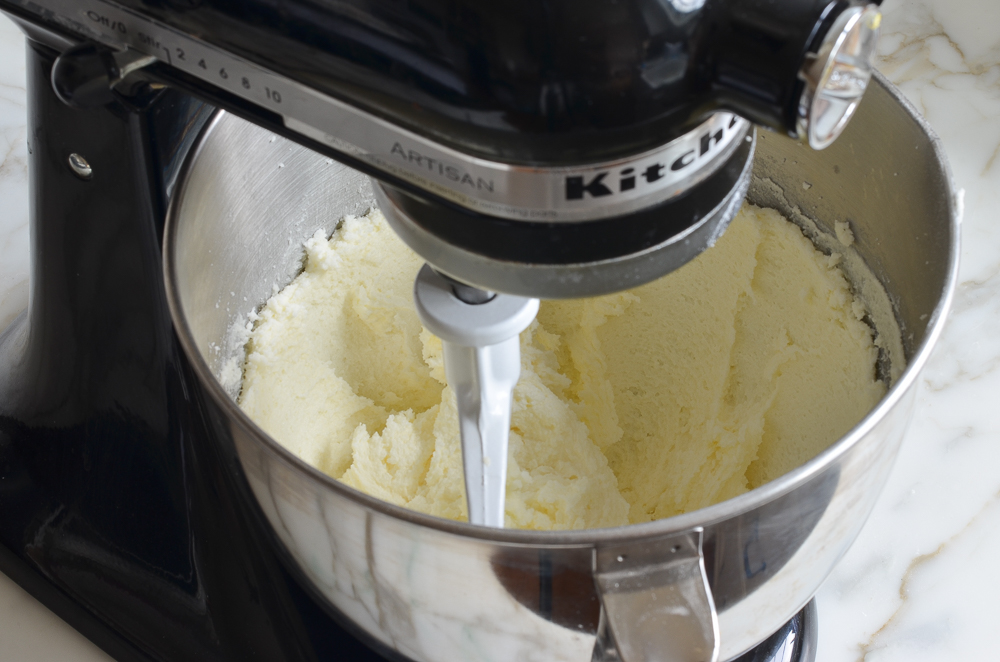
Step 3: Cream the butter and sugar. In the bowl of a stand mixer fitted with the paddle attachment (or using beaters), cream the butter and sugar on medium speed until light and fluffy. This creaming step incorporates air into the batter, which helps the cake rise and gives it a fine, tender crumb.
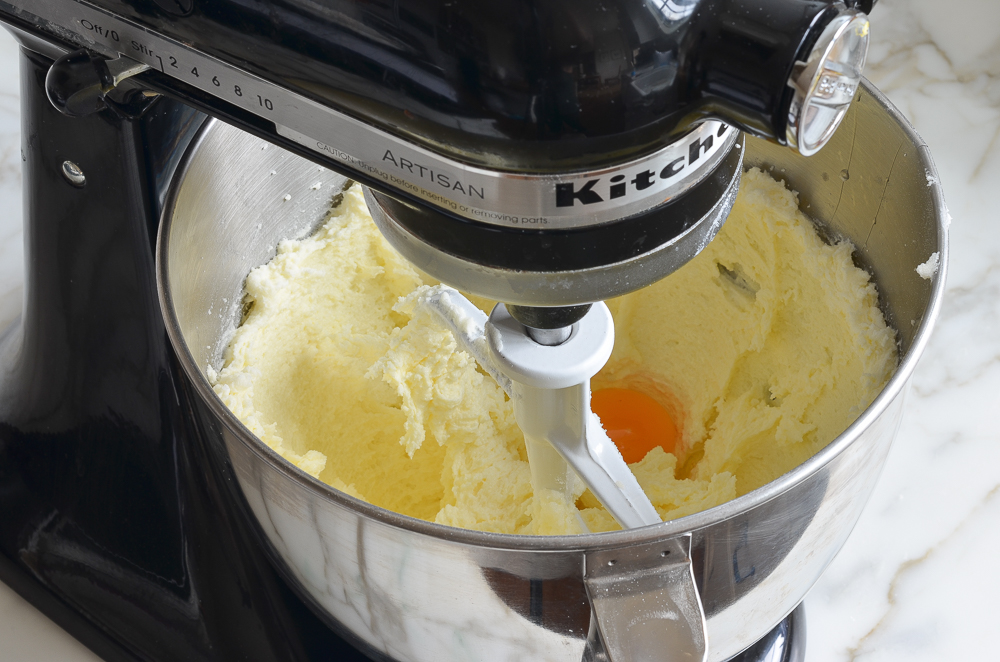
Step 4: Beat in the eggs. Scrape down the sides of the bowl, then add the eggs one at a time, beating well after each one. Adding the eggs gradually helps them emulsify into the batter, creating a stable, smooth mixture that won’t split or curdle.
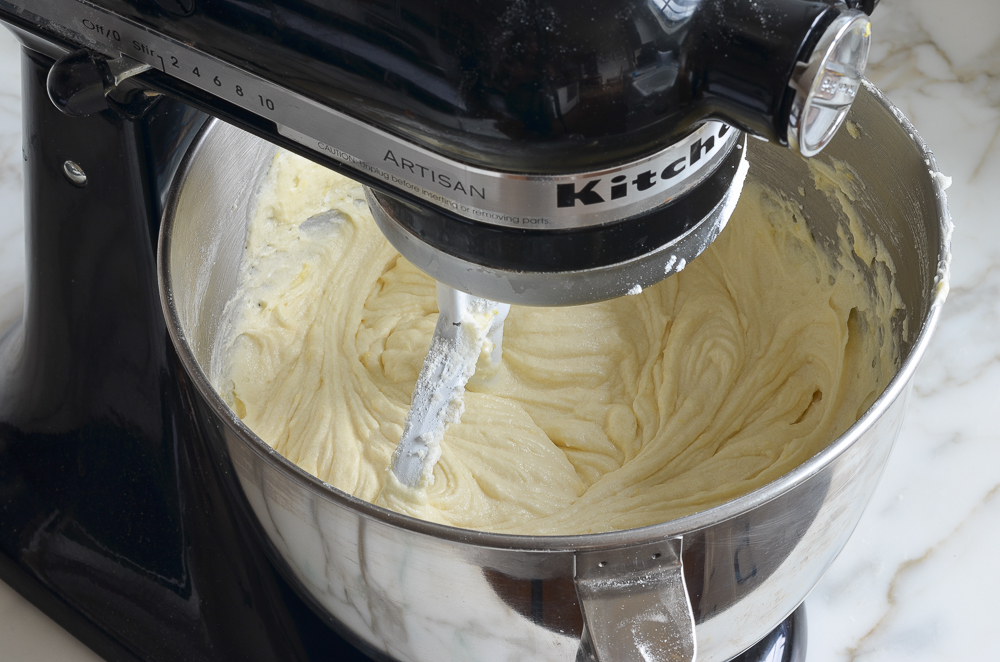
Step 5: Add the dry and wet ingredients. With the mixer on low, alternate adding the flour and buttermilk mixtures, beginning and ending with the flour. (These gradual additions keep the batter from becoming over-mixed, which helps maintain a tender texture.) Scrape down the sides of the bowl, and give a quick mix to make sure all of the ingredients are well-incorporated.
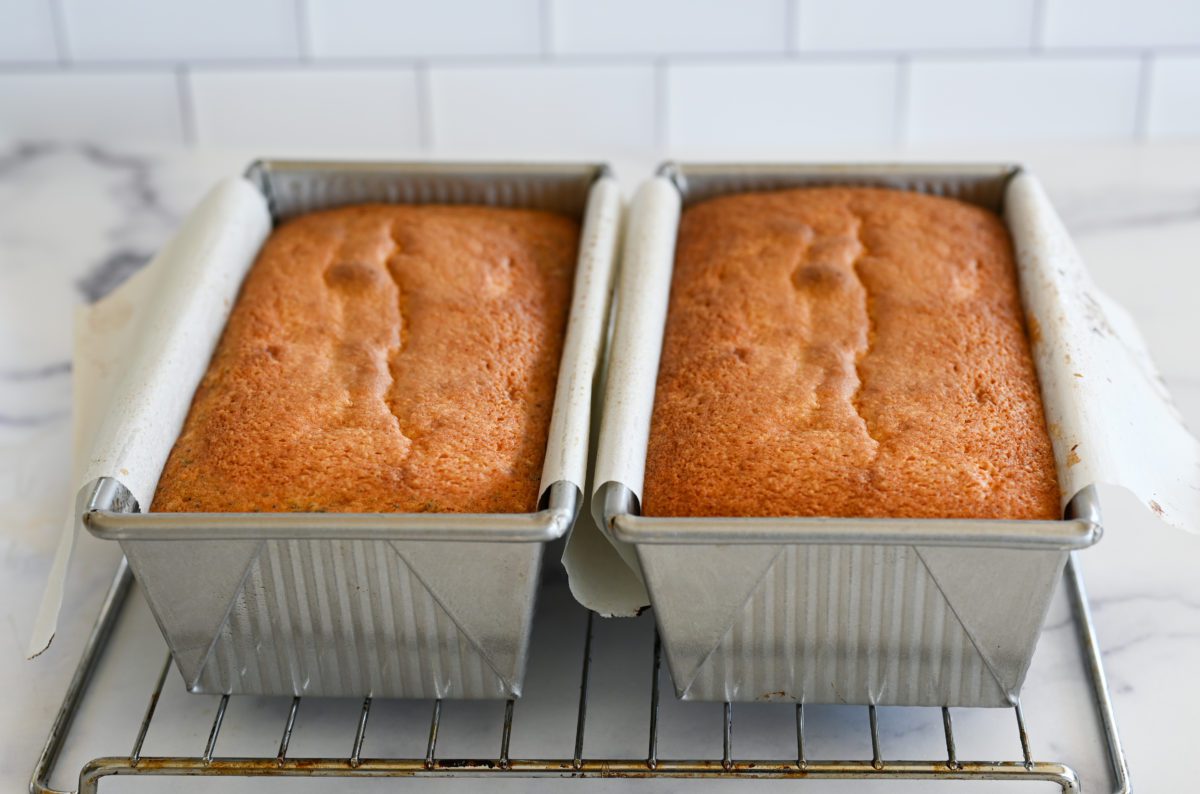
Step 6: Fill the pans. Transfer the cake batter to the loaf pans lined with parchment slings and smooth the tops with a rubber spatula. (The parchment slings help prevent the cake from sticking to the pan and make it easy to lift out cleanly—no need to invert or risk breaking the crust.)
Step 7: Bake and cool. Bake the cakes in a 350°F oven for 55 to 65 minutes, or until a tester comes out clean. Let the cakes cool in the pans on a wire rack for 10 minutes, then lift them out using the parchment slings and cool for about an hour more.
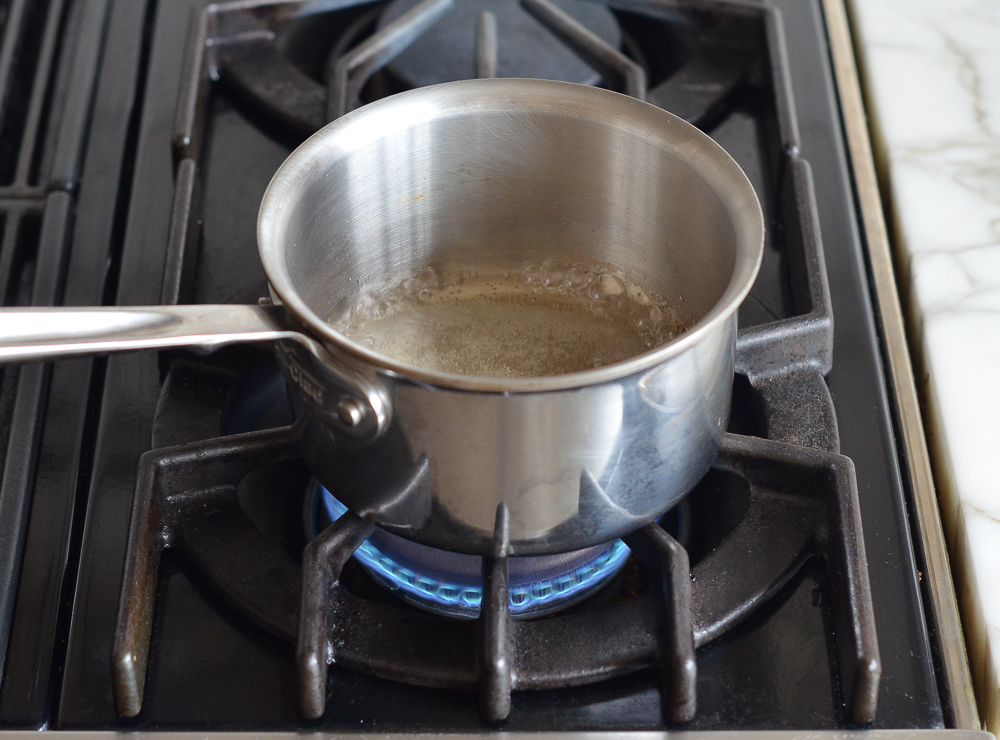
Step 8: Make the syrup. Combine the water and sugar in a small saucepan and bring to a boil. Remove from heat and stir in the lemon juice. Adding lemon juice after boiling keeps the flavor bright and fresh rather than cooked or muted.
Step 9: Make the glaze. In a medium bowl, whisk together the confectioners’ sugar and lemon juice until smooth. Adjust with more sugar or juice if needed for your preferred consistency—for a thicker glaze, use less juice; for a thinner drizzle, add a tiny splash more.

Step 10: Top the cakes with syrup and glaze. Once the cakes are cool, brush the warm syrup all over—don’t forget the sides—and let it soak in. Make sure the cakes are completely cool; applying the syrup to a fully cooled cake helps it soak in evenly without making the crumb gummy. Last, spoon the glaze over the top, letting it drip down the sides. The cake will keep nicely for a few days; freeze without the glaze for up to 3 months.
You May Also Like
Lemon Pound Cake
Ingredients
For the Cake
- 3 cups all-purpose flour, spooned into measuring cup and leveled-off
- ½ teaspoon baking soda
- ½ teaspoon salt
- 1 cup buttermilk (low-fat is fine; see note)
- 2 tablespoons (packed) grated lemon zest (see note)
- 2 tablespoons fresh lemon juice
- 1 cup (2 sticks) unsalted butter, softened
- 2¼ cups granulated sugar
- 3 large eggs
For the Syrup
- 2 tablespoons water
- 2 tablespoons granulated sugar
- 2 teaspoons fresh lemon juice
For the Glaze
- 1 cup confectioners’ sugar
- 2 tablespoons fresh lemon juice
Instructions
- Preheat the oven to 350°F (175°C) and set an oven rack in the middle position. Spray two 8½ x 4½-in (22 x 11-cm) loaf pans with nonstick cooking spray. Line the long sides of the pans with parchment paper “slings” and spray lightly with nonstick cooking spray again.
- In a medium bowl, whisk together the flour, baking soda and salt. Set aside.
- In another bowl, whisk together the buttermilk, lemon zest and lemon juice. Set aside.
- In the bowl of an electric mixer fitted with the paddle attachment (or beaters), cream the butter and sugar on medium speed until light and fluffy, 3 to 4 minutes. Scrape down the sides of the bowl, then beat in the eggs one at a time, beating well after each addition. Scrape down the sides of the bowl again.
- With the mixer on low speed, beat in one-quarter of the flour mixture, then one-third of the buttermilk mixture. Beat in another quarter of the flour, then another third of the buttermilk mixture. Repeat with another quarter of the flour and the remaining buttermilk mixture. Finally, beat in the remaining flour mixture. Scrape down the sides of the bowl, and give a quick mix to make sure all of the ingredients are well-incorporated.
- Divide the thick batter into the prepared pans and smooth with a rubber spatula. Bake for 55 to 65 minutes, or until the top is golden and a tester comes out clean.
- Set the cakes on a cooling rack, and cool in the pans for 10 minutes. Carefully run a knife along the unlined sides of the pans to loosen the cake from the pan. Using the parchment slings, lift the cakes out of the pans and place onto the rack, leaving the parchment paper in place under the cakes. Let cool for about 1 hour.
- When the cakes are almost cool, make the syrup. Combine the water and sugar in a saucepan and bring to a boil. Remove from the heat and stir in the lemon juice.
- When the cakes are cool, carefully transfer them to serving platters.
- Gradually brush the warm syrup all over the cakes, including the sides, letting it soak in as you go.
- To make the glaze: in a medium bowl, whisk together the confectioners’ sugar and lemon juice. Add more confectioners’ sugar or lemon juice as necessary to make a thick but pourable glaze (it should be a little thicker than you’d think, about the consistency of molasses or honey). Spoon the glaze over the top of the cake, letting it drip down the sides. Let the cakes sit for about one hour to allow the glaze to set before serving.
Notes
- If you’d prefer not to buy it, check out some easy guidance on how to make buttermilk using milk and lemon juice or vinegar.
- You’ll need 4 to 5 large lemons for the entire recipe.
- Make-Ahead/Freezing Instructions: The cakes can be made up to 1 day ahead of time and stored in a cake dome or airtight container at room temperature. They can also be frozen (without the final glaze) for up to 3 months. After they are completely cooled, double-wrap securely with aluminum foil or plastic freezer wrap, or place them in a heavy-duty freezer bag. Thaw overnight on the countertop before serving. (Add the syrup before the cake is frozen, and add the glaze after the cake is thawed.)
Nutrition Information
This website is written and produced for informational purposes only. I am not a certified nutritionist and the nutritional data on this site has not been evaluated or approved by a nutritionist or the Food and Drug Administration. Nutritional information is offered as a courtesy and should not be construed as a guarantee. The data is calculated through an online nutritional calculator, Edamam.com. Although I do my best to provide accurate nutritional information, these figures should be considered estimates only. Varying factors such as product types or brands purchased, natural fluctuations in fresh produce, and the way ingredients are processed change the effective nutritional information in any given recipe. Furthermore, different online calculators provide different results depending on their own nutrition fact sources and algorithms. To obtain the most accurate nutritional information in a given recipe, you should calculate the nutritional information with the actual ingredients used in your recipe, using your preferred nutrition calculator.
I did make this cake! I was out of the pam/bake flour spray so when I prepared my pan, the cake didn’t turn out completely- I was so saddened but I quickly pulled the broken off cake from the pan and pressed it in to the cake and returned the cake to the upside… I was expecting more of a syrup from the mixture of 1/4 water to 1/4 sugar – but I went ahead with your glaze. In the old days we used lemonade juice concentrate and sugar and it went on much thicker-sort of a granular texture. I’m sure this is going to be fine once it cools and I put on the conf sugar glaze. It’s going to be a very sweet confection with so much sugar-I have enjoyed making it and glad that it was available because I don’t have a mix…this cake is very pretty.
This might be the fluffiest, lightest, and lemoniest batter I’ve ever worked with, so I’m super pleased with this recipe! I decided to make two loaves instead of one Bundt cake so that I can freeze one loaf for later and ended up baking it for about the same time as the original recipe. After glazing the loaf, I sprinkled some extra lemon zest down the middle on the top of each loaf for a pop of color.
Sorry Starbucks, but this lemon pound cake takes the cake!!!
🍋 This cake is hands down, one of the best I’ve ever made and tasted. I’m a lemon fanatic, so I made two small changes and increased the amount of lemon zest to 3 tbsp in the cake and added 1 tbsp of lemon zest to the icing. I also reduced the sugar by 25% in the cake, and I didn’t notice a difference in taste at all (I always cut sugar amounts where I can). This cake is perfection, and such a hit with friends and loved ones, thank you for sharing this!! 🍋
O.M.G.!! I made this recipe for 2 ladies in my church and they both said it was gone less than 24 hours later! No joke! The one said it was soooo moist and amazing – which I expected of course, but the best part about it is it came to be true! O.M.G. I was so sad I wasn’t able to try it myself. Will definitely make this for myself within 2 days. Thank you Jenn!
This was the most delicious lemon pound cake I’ve ever had and it was so easy to make! I tried the shortening/sugar pan-coating method for the first time and it worked beautifully. I shared this recipe with my grandma and my boyfriend’s family and they all loved it as well! Thank you!
I made this cake last weekend and it came out great! The only thing I changed was to use slightly less sugar. I refrigerated the cake after the first servings and that only made it better! Thank You!
In my opinion the cake needs the syrup and the glaze. I usually skip those but thought I should give it go and it was the right decision. I used Pam for baking spray and enough granulated sugar and my cake came out beautifully.
Excellent cake! we all loved it 😉 Thank you! I wished I could send a picture through.
I tried it today. it’s really amazing. a hundred percent successful recipe.
Couldn’t I poke holes in the warm cake before adding the syrup to better incorporate that yummy syrup flavoring? Also, how about adding some lemon zest to the butter/sugar beating to give it an extra punch?
Sure, you can poke holes in this if you’d like. And this cake is plenty lemony — I honestly don’t think you need to add more lemon zest. Hope you enjoy! 🙂
Hi Jen, I don’t have enough all purpose flour. Can i use cake flour instead? Thanks
Hi Kelda, You could give it a try it with cake flour but keep in mind that I can’t guarantee that it will give the cake enough structure to rise properly. I’d love to know how it turns out if you try it! 🙂
Made this cake today and it turned out beautifully….was so afraid to sugar pan after reading some of the reviews about sticking, but I sprayed with Bakers Joy and sugared took it out after 65 minutes used an offset spatula as you recommended to loosen set the timer for 10 minutes and it slipped out of the pan perfectly….great recipe will definitely make again