
Falafel

This post may contain affiliate links. Read my full disclosure policy.
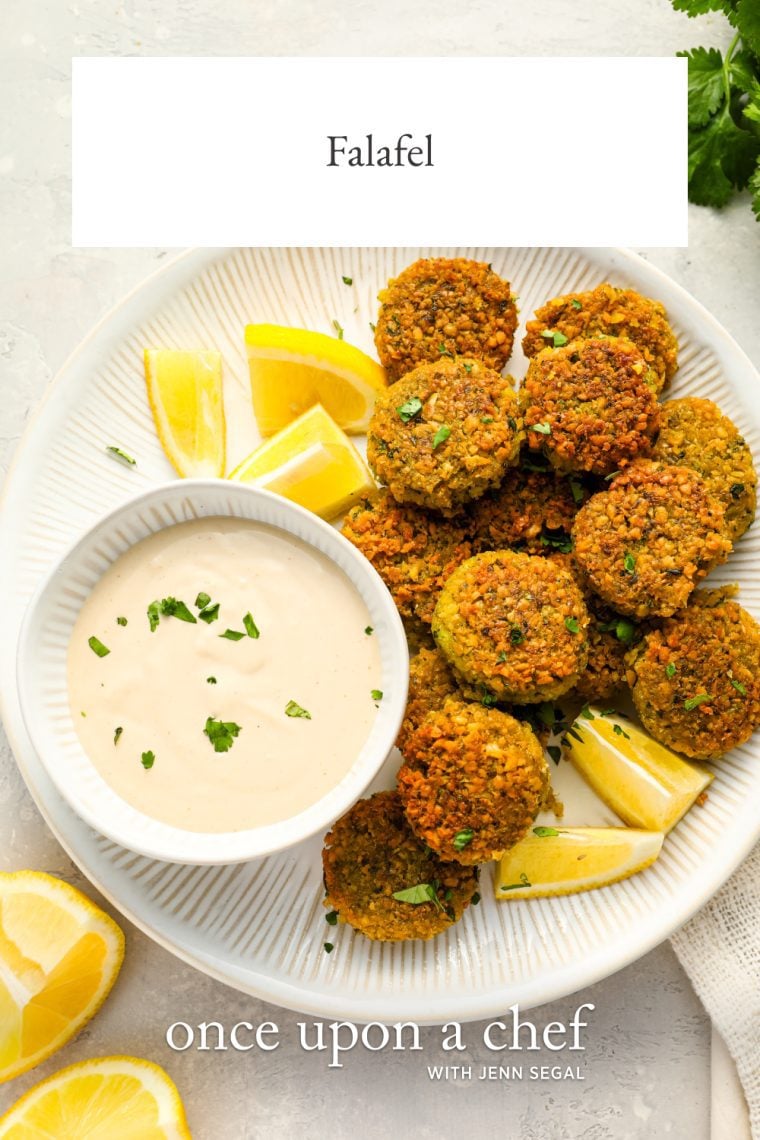
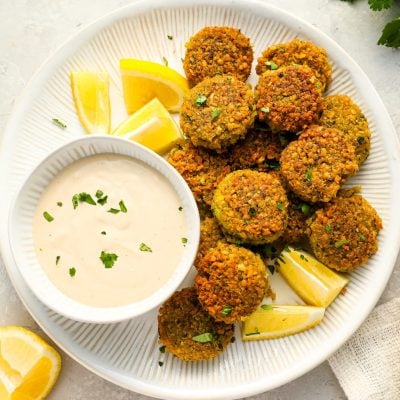
This easy falafel recipe makes crisp, golden falafel with tender centers, plenty of fresh herbs, and just the right amount of spice.

Falafel is a popular Middle Eastern street food made from ground chickpeas (or fava beans), fresh herbs, and spices. Making it at home may seem intimidating, but it’s actually quite simple. This falafel recipe starts with dried chickpeas soaked until plump, then blended in a food processor with fresh herbs, garlic, scallions, and warm spices. The mixture is shaped into small patties and pan-fried until deeply golden and crisp on the outside and tender inside.
The key—and I can’t stress this enough—is to avoid using canned chickpeas. Many falafel recipes call for them, but I can tell you from experience that they just don’t work, unless you want a mushy disaster on your hands! The best falafel is made with dried chickpeas that have been soaked overnight but not cooked. If you’re short on time, you can use the quick-soak method, which takes about an hour.
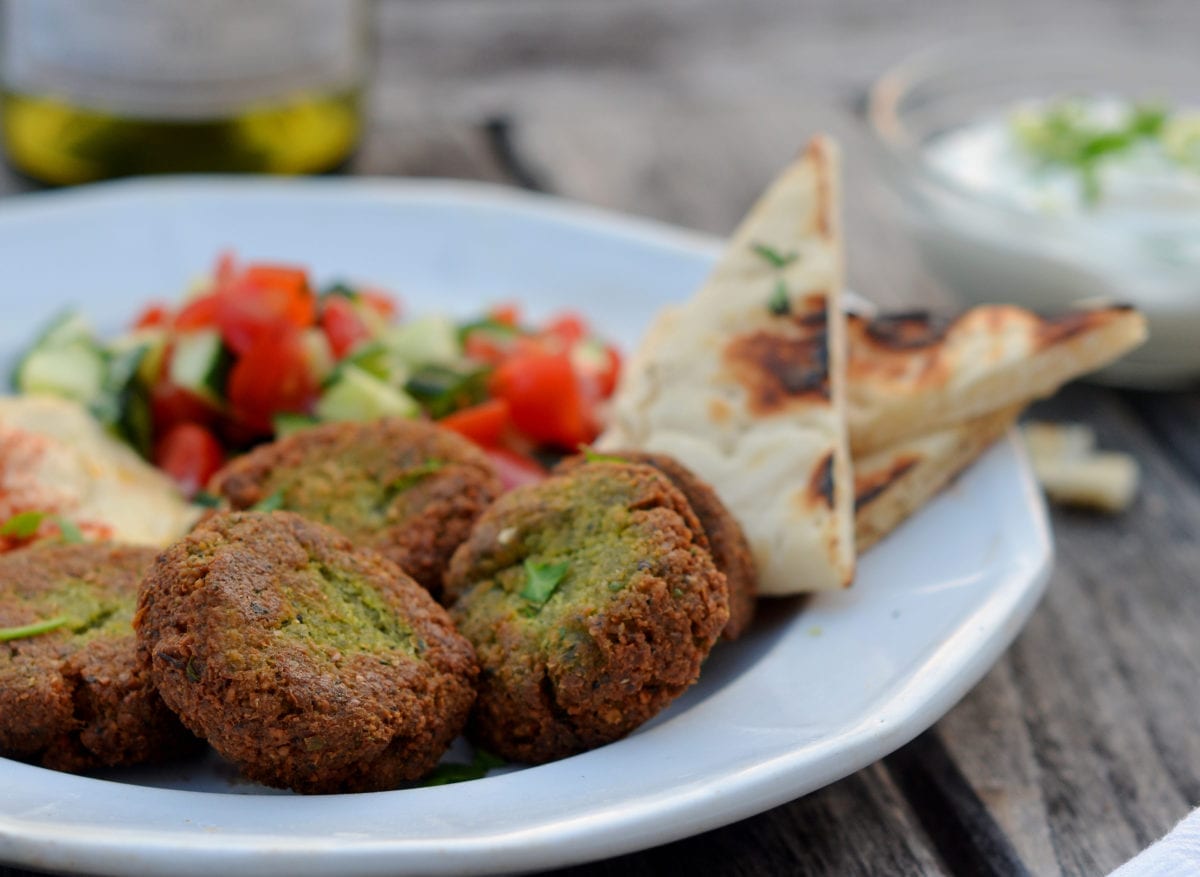
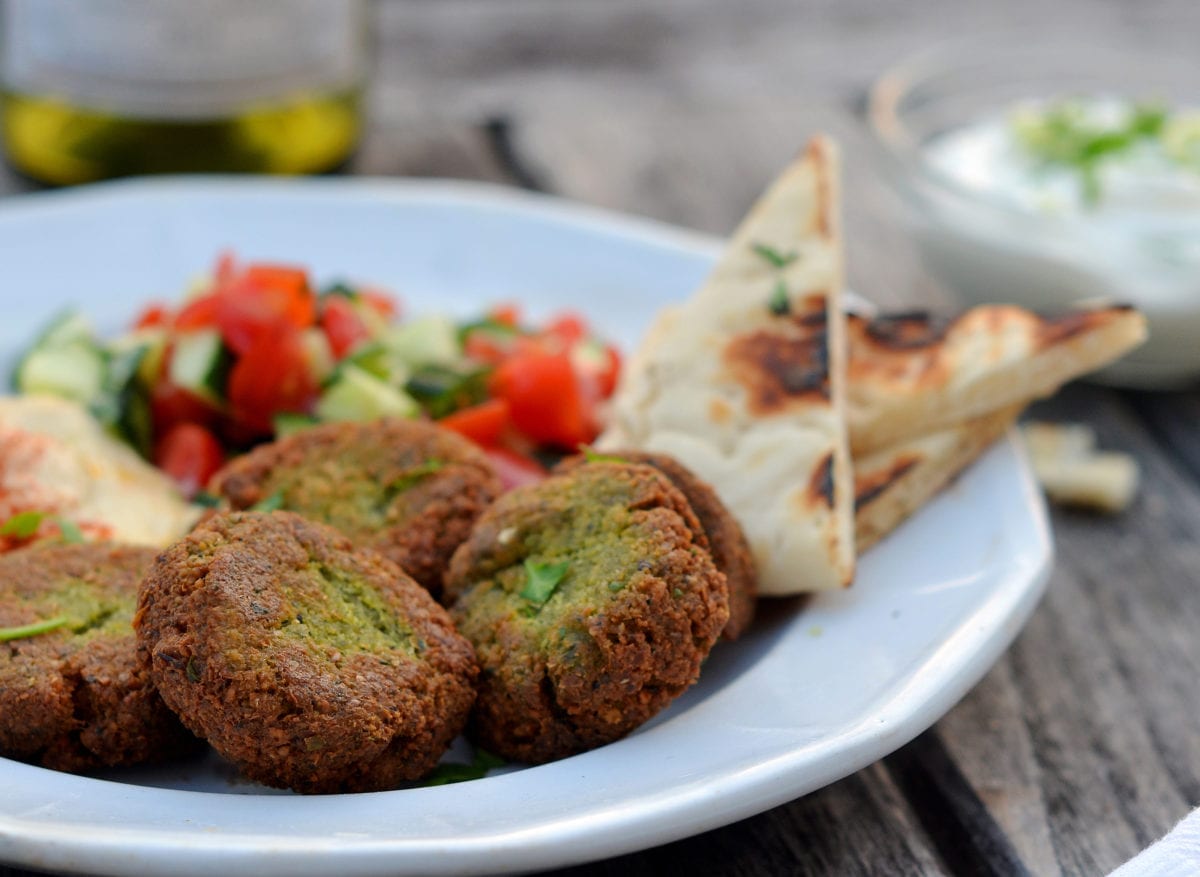
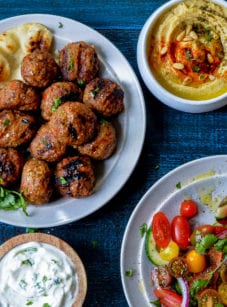
Traditionally, falafel are stuffed into pita or served as part of a mezze platter with Israeli salad, hummus, tabbouleh, baba ganoush, and tahini sauce.
“I was a culinary goddess when I made this falafel recipe. The falafel was as good as or better than any I’ve had in a restaurant and was pretty easy.”
What You’ll Need To Make Falafel
- Dried Chickpeas: The base ingredient for falafel; they provide the structure and texture. Soaking them overnight (or using the quick-soak method) ensures they are soft enough to blend but firm enough to hold together during cooking. Do not use canned chickpeas!
- Scallions: Add a mild onion flavor without overpowering the mixture, contributing to the aromatic base of the falafel.
- Parsley and Cilantro: These herbs add a fresh, vibrant flavor and a bit of color to the falafel.
- Garlic: Provides a sharp, pungent flavor that complements the earthiness of the chickpeas, spices, and herbs.
- Cumin and Cinnamon: These spices add warmth and depth, giving the falafel a distinct, mildly spiced flavor profile typical of Middle Eastern cuisine.
- Vegetable Oil: Used for pan-frying the falafel, giving them a crispy exterior while keeping the interior moist and flavorful.
- Jump to the printable recipe for precise measurements
How To Make Falafel
Step 1: Soak the chickpeas. Cover the chickpeas with plenty of water and soak overnight, or for at least 8 hours. After soaking, they’ll be noticeably plumper and softer but still raw inside. Drain them well before proceeding. If you forgot to soak the chickpeas overnight, the quick-soak method described in the recipe notes works well too, and it only takes about an hour.
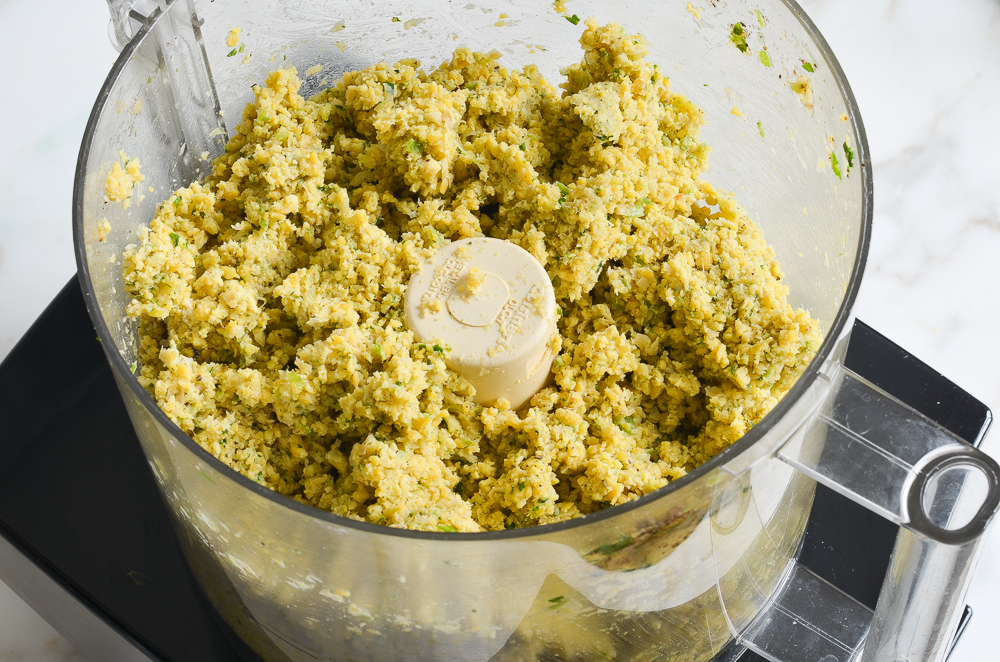
Step 2: Make the falafel mixture. Add the drained chickpeas to a food processor along with the scallions, garlic, parsley, cilantro, and spices. Process until everything is very finely chopped and evenly combined. The mixture should look moist and crumbly rather than smooth or puréed, but it should hold together easily when you squeeze some in your hand. If it falls apart, keep processing for another minute or so.

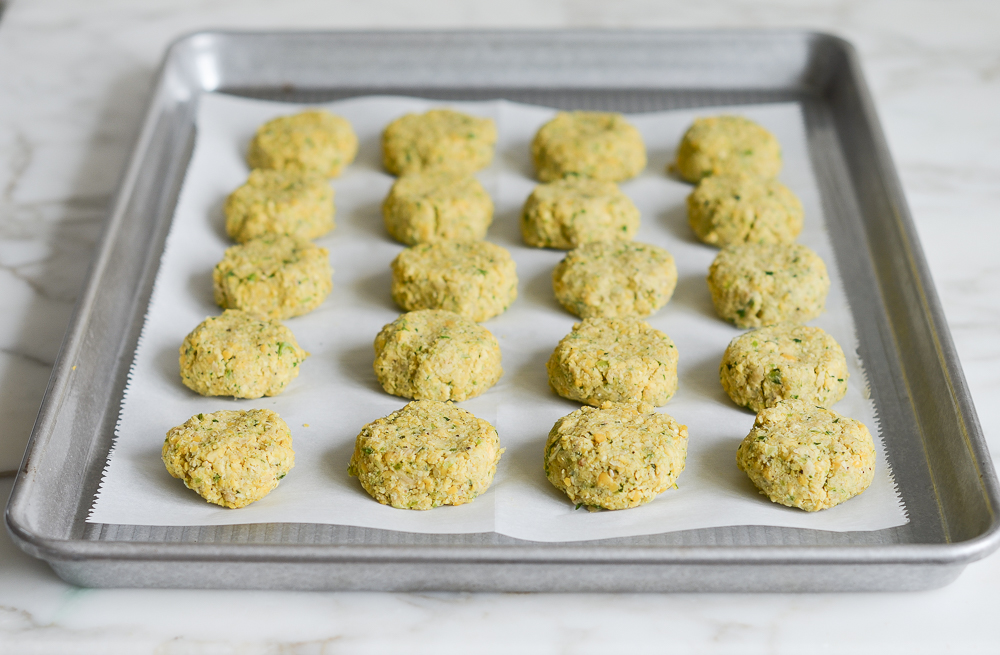
Step 3: Shape the falafel. Shape the mixture into small, compact patties. Press them firmly enough that they hold together.
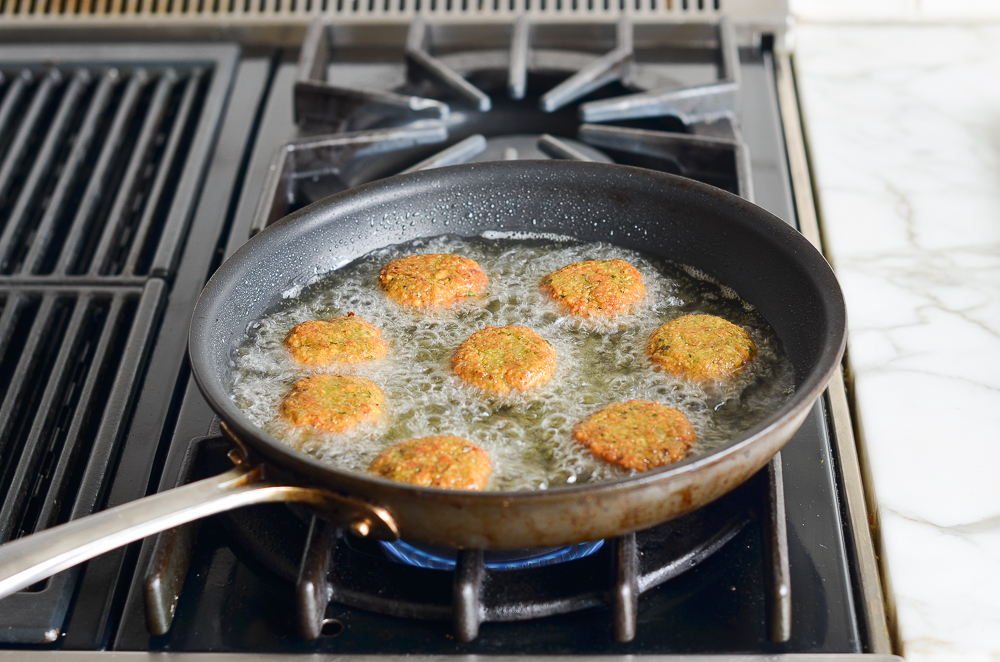
Step 4: Fry the falafel. Pour enough oil into a large nonstick skillet to generously coat the bottom. When the oil is hot, add the falafel in a single layer, leaving a little space between them; they should sizzle as soon as they hit the pan. Cook until deeply golden and crisp on the bottom, then carefully flip and brown the other side. Adjust the heat as needed so the falafel cook through without browning too quickly.
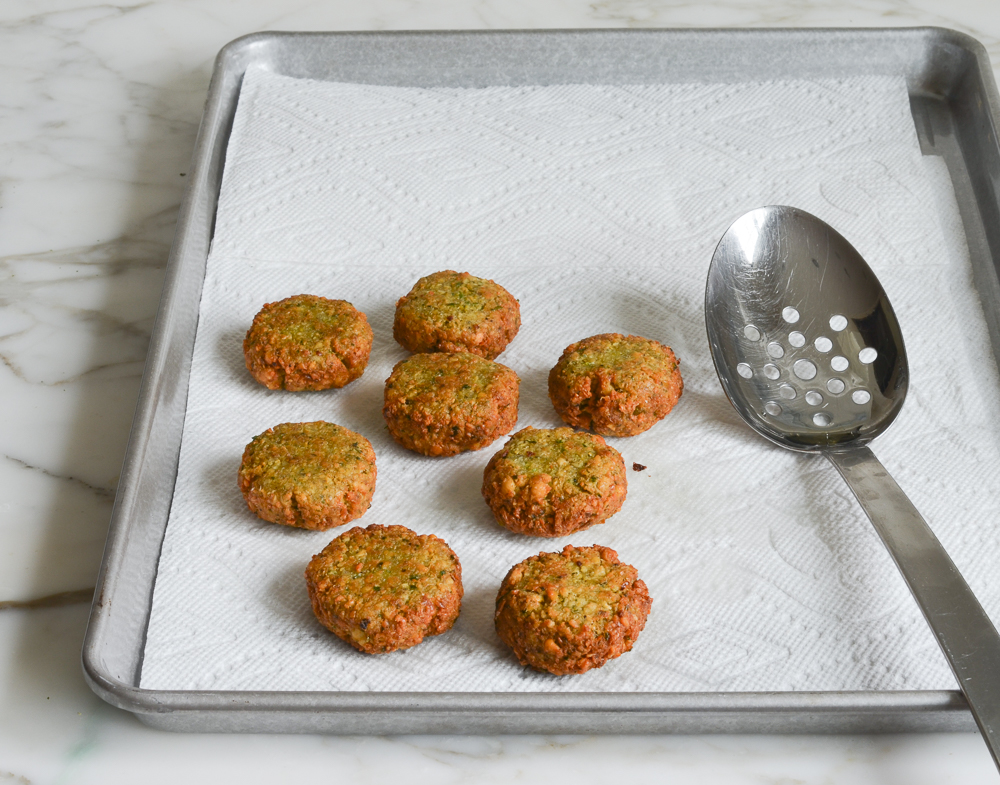
Step 5: Drain. Place the cooked falafel to a paper towel-lined plate and repeat with the remaining batch.
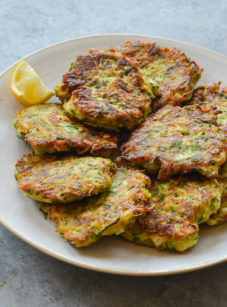
Step 6: Serve. Transfer the falafel to a platter and serve warm or at room temperature with tahini, tzatziki, or tucked into pita with your favorite toppings.
Frequently Asked Questions
Why does my falafel fall apart during cooking?
Falafel can fall apart during cooking if the mixture is too dry or hasn’t been processed enough to bind together. It’s crucial to use dried chickpeas that have been properly soaked and to process the mixture until it can easily form patties without crumbling. If the mixture seems too crumbly, continue processing until it holds together properly. Ensuring the patties are compact when formed is also key to preventing them from breaking apart.
Can I use canned chickpeas for falafel?
No, canned chickpeas are too soft and contain too much moisture, which can prevent the falafel from achieving the proper texture and can cause them to fall apart during frying. Dried chickpeas, when soaked and processed correctly, provide the right texture and binding quality needed for authentic falafel.
Can I bake or air-fry the falafel?
I don’t recommend it. This recipe is designed to be pan-fried, which gives the falafel their crisp, golden exterior and tender center. Baking or air-frying won’t give you the same results.
Video Tutorial
You May Also Like

Falafel
Ingredients
- 2 cups dried chickpeas, rinsed and picked over
- 8 scallions, light and dark green parts, from 1 bunch, coarsely chopped
- ¼ cup chopped fresh parsley leaves
- ¼ cup chopped fresh cilantro leaves
- 4 cloves garlic, coarsely chopped
- 2 teaspoons salt
- 1 teaspoon freshly ground black pepper
- ½ teaspoon ground cumin
- ¼ teaspoon ground cinnamon
- Vegetable oil, for frying
- Tahini sauce (optional, for serving)
Instructions
- Soak the chickpeas: Put the chickpeas in a large bowl and cover with water by about 4 in (10 cm). Soak for 24 hours, adding more water if necessary to keep the chickpeas covered, as they will double in size. For a quicker option, use the quick-soak method: place the beans in a pot, cover with water by about 3 in (8 cm), bring to a rolling boil for 5 minutes, then remove from heat and let stand for 1 hour.
- Prepare the Mixture: Drain the chickpeas and place them in the bowl of a food processor fitted with the steel blade. Add the scallions, parsley, cilantro, garlic, salt, pepper, cumin, and cinnamon, and process until the chickpeas are very finely minced, scraping down the sides as needed, a few minutes. Pause occasionally to move the mixture from the bottom of the bowl toward the top so everything processes evenly. The mixture should be well moistened and hold together easily when pressed; if it seems crumbly, continue processing until it binds properly.
- Form the falafel: Using heaping tablespoonfuls, form the mixture into patties about ½ in (13 mm) thick and 1½ in (4 cm) wide. The mixture should be compact and able to hold together well when shaped. If it feels too crumbly, process it a bit more. If the mixture sticks to your hands, moisten your hands with a bit of water to help shape the patties.
- Cook the falafel: Heat ¼-in (6 mm) of oil in a large nonstick sauté pan over medium heat. When the oil is hot and shimmering, add half of the falafel to the pan (the falafel should sizzle immediately when you drop it in the oil; if it doesn't, wait another minute or two for the oil to heat up.) When the first side is golden, flip and cook a few minutes more until golden all over. The total cook time should be 4 to 5 minutes. Using a slotted spoon, transfer the falafel to a paper towel-lined plate to drain. Cook the second batch, then serve warm or room temperature with tahini sauce.
Notes
- Nutritional information was calculated assuming that approximately 2 tablespoons of the oil are absorbed into the falafel when frying.
- Make-Ahead/Freezing Instructions: You can prepare the mixture and form the patties up to a day in advance. Store the uncooked patties on a baking sheet lined with parchment paper in the refrigerator. When you’re ready to cook, fry them directly from the fridge. The uncooked falafel can also be frozen. After forming the patties, place them on a baking sheet and freeze them until solid. Then transfer the frozen patties to a freezer bag or airtight container. They can be stored in the freezer for up to three months. When ready to cook, you can fry them directly from frozen; just allow a little extra time to cook through. Leftover falafel can be stored in an airtight container in the refrigerator for up to three days. To reheat, bake them in the oven at 325°F (165°C) for 10 to 15 minutes, or until warmed through. Falafel can also be frozen after cooking; place them on a baking sheet to freeze individually, then transfer to a freezer bag or container. Reheat directly from frozen in the oven.
Pair with
Nutrition Information
This website is written and produced for informational purposes only. I am not a certified nutritionist and the nutritional data on this site has not been evaluated or approved by a nutritionist or the Food and Drug Administration. Nutritional information is offered as a courtesy and should not be construed as a guarantee. The data is calculated through an online nutritional calculator, Edamam.com. Although I do my best to provide accurate nutritional information, these figures should be considered estimates only. Varying factors such as product types or brands purchased, natural fluctuations in fresh produce, and the way ingredients are processed change the effective nutritional information in any given recipe. Furthermore, different online calculators provide different results depending on their own nutrition fact sources and algorithms. To obtain the most accurate nutritional information in a given recipe, you should calculate the nutritional information with the actual ingredients used in your recipe, using your preferred nutrition calculator.
Gluten-Free Adaptable Note
To the best of my knowledge, all of the ingredients used in this recipe are gluten-free or widely available in gluten-free versions. There is hidden gluten in many foods; if you’re following a gluten-free diet or cooking for someone with gluten allergies, always read the labels of your ingredients to verify that they are gluten-free.
Is it possible to make the mixture in advance and freeze it?
Yep!
this has been our go-to falafel recipe for years now. I did have trouble with patties falling apart when I fried them but I found that just a heaping spoonful of flour mixed in to the final mixture bound them just enough that the problem was solved! They are perfection 🙂
I made a 1/2 batch today, it tasted good, held it’s shape, but when I want to fry it disintegrated
in the oil after a few minutes of frying. I’m sure my oil was hot enough, the only thing I can come up with is made a little too much oil? I froze the remainder until I can figure out.
Hi Mary, I’m sorry you had a problem with them falling apart. If you make them again, I’d try processing the mixture a bit more until it gets moistened and pasty; it takes a few minutes.
So am I right that if you soak the chickpeas overnight and go the slower route, you don’t then boil and cook them at all? I can’t wait to try these!
Correct (soak them for 24 hours). Enjoy!
Can I freeze falafel patties either cooked or uncooked?
Hi Corrine, I’ve never frozen them before, cooked or uncooked, so I can’t say for sure, but I think it should work. Please let me know how they turn out if you try it!
Made these last night using the quick cook method and they turned out fantastic. Only falafel recipe I’ll ever need. Thank you!
Absolutely perfect! Thanks Jenn for sharing the secret about not using the canned beans; I had all but given up on homemade falafel after trying so many recipes with canned and cooked beans. It really did the trick and made the difference, just as you instructed. Thanks!
I’ve made these with and they are perfection!
Do you think these will work with other types of beans? I’d love to recreate some black bean falafel I had once in a restaurant…
So glad you liked them! While it may work with other beans, I haven’t tried it myself so I can’t say for sure — I’m sorry! If you do try it, please LMK how they turn out!
I made this recipe and the flavour was delicious.
However, the patties fell apart during cooking. What did I do wrong?
Hi Angela, Sorry you had a problem with these falling apart! You may just need to process the mixture a bit more until it gets moistened and pasty; it takes a few minutes.
I was sooo proud of myself serving these up with hummus and naan, fruit studded basmati rice (with double fruit cuz bliss!!) a greek salad, feta, tzatziki and even a little leftover gyro meat i had from take out. What a spread!!! At first, i was confused that the chickpeas were never boiled but I just went with it. Then they wouldn’t hold together so i food-processed the heck out of them until they just couldn’t be processed anymore!! 4 min?? Worked perfectly. I molded the patties in my hand, placed them on a flat wooden spoon, and gently slid them into the pan. I was in awe – they were the best I’ve ever had. I added a Tbs of cornstarch to the left over batter i kept in the frig overnight. I think it helped them stick together the next day. I think i ate 15 over the course of 2 days!!!! 😳 I’m making more ‘batter’ next week!! There’s no reason i shouldn’t be eating these all the time. Thank you!!!